

Seeds of Change: Inside the UK's Precision Breeding Revolution
| |
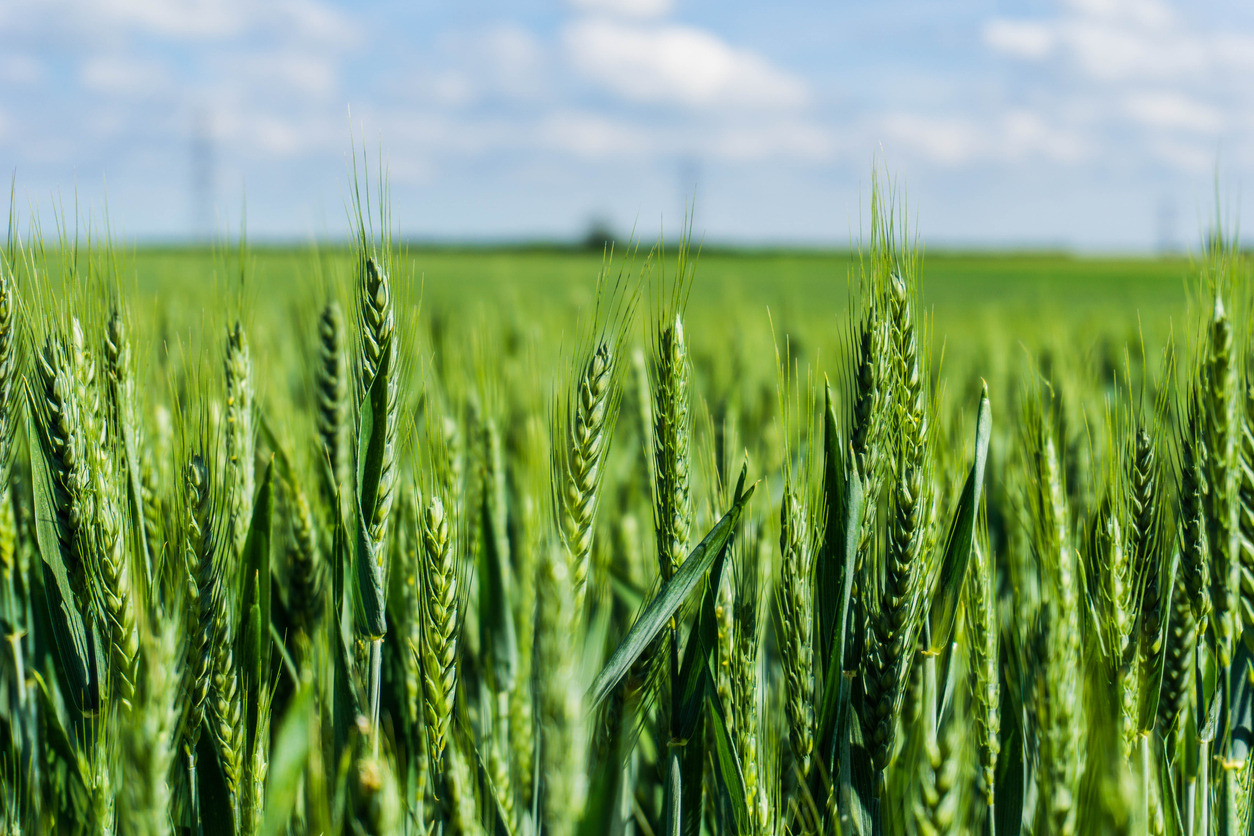
The agricultural landscape in the United Kingdom is undergoing its most significant transformation in a generation. As of March 2026, the Genetic Technology (Precision Breeding) Act 2023 has moved from a legislative ambition to a fully operational regulatory reality. This landmark legislation introduced a new regulatory framework for precision-bred plants in the UK, distinguishing them from traditional genetically modified (GM) crops.
These regulations apply to plants developed using new genomic techniques, such as CRISPR-Cas9 gene editing, to make small genetic changes that could have occurred naturally or through conventional breeding. Still, they can now be achieved faster and with greater accuracy.
Regulatory Turning Point
While the primary Act was passed in 2023, the secondary legislation was finalized in May 2025. Following a mandatory notification period to the World Trade Organization (WTO), the Genetic Technology (Precision Breeding) Act 2023 officially came into force on November 13, 2025. It brought England in line with the regulatory approaches of most countries outside the EU, including Canada, Australia, Brazil, Argentina, the USA, and Japan.
The UK has a two-tier, science-based authorization process administered by the Department for Environment, Food & Rural Affairs (Defra) and the Food Standards Agency (FSA).
- Tier 1: For crops with simple, well-understood genetic changes (e.g., those that could occur naturally), a streamlined safety assessment is performed.
- Tier 2: For more complex edits, such as those affecting nutrition or potential allergens, more rigorous scrutiny and scientific assessment by the FSA are required. Tier 2 also requires the submission of a complete scientific dossier.
Approved Crops for the Market
As of early 2026, the Precision Breeding Register has begun to fill with notices for both research trials and the first wave of commercial applications.
- Climate resilient Camelina (Gold-of-Pleasure). One of the first major "success stories" under the new Act is a precision-bred version of Camelina sativa developed by Rothamsted Research. Bred to produce larger seeds with a superior oil profile, this crop is a frontrunner for sustainable biofuels and omega-3-enriched animal feed. It represents the first wave of industrial-scale crops benefiting from the streamlined notification system.
- The "Sunshine Tomato". This gene-edited, high-vitamin D tomato variety developed by the John Innes Centre has transitioned from a high-profile research project to a commercial prospect. By using CRISPR to "switch off" a specific enzyme, the tomato accumulates provitamin D3 in its fruit—offering a plant-based solution to a common nutritional deficiency. The John Innes Centre and Quadram Institute launched one of the first human trials of this gene-edited tomato in September 2025.
- Non-Browning Bananas and Potatoes. Several SMEs, including Tropic (based in Norwich), have utilized the Act to advance non-browning fruit. By editing the genes responsible for enzymatic browning, these products aim to drastically reduce food waste in the supply chain and at the consumer level.
One of the most significant developments in early 2026 comes from Rothamsted Research, the world’s oldest agricultural research station. In March 2026, Rothamsted made history when its gene-edited barley became the first crop to receive a Precision Bred Organism (PBO) marketing notice confirmation under the new UK framework.
The high-lipid "energy" barley, developed by Dr. Peter Eastmond and his team, uses CRISPR gene editing to increase the lipid (oil) content in the plant's vegetative tissues. The Rothamsted team’s goal is to develop a high-energy forage crop for ruminants, such as cattle and sheep. By boosting the metabolizable energy in the feed, farmers can improve livestock growth rates while potentially reducing methane emissions, a critical step toward the UK’s Net Zero targets.
Rothamsted is also advancing a "health-first" wheat variety. By knocking out the TaASN2 gene, researchers have produced wheat with significantly lower levels of asparagine. When bread made from this wheat is toasted or baked, it produces much lower levels of acrylamide—a probable carcinogen that forms naturally in starchy foods at high temperatures.
What’s Next for UK Farms?
In February 2026, the UK government announced a massive £21.5 million investment into 15 precision breeding projects. This funding has supercharged a pipeline of climate-smart crops currently in various stages of field trials. These crops include sugar beet (virus resistance), faba beans (improved protein for dairy feed), oilseed rape (enhanced seed oil content), and strawberries (extended shelf life and virus resistance).
UK Faces New Era of Food Security
With the Genetic Technology Regulations 2025, the UK has established itself as the first major European economy to adopt a science-based regulatory framework for gene-edited crops. The journey from the initial drafting of the Genetic Technology (Precision Breeding) Act to the first PBO marketing notices in 2026 represents more than just a regulatory shift; it is a fundamental reimagining of the British food system. By moving away from the "one-size-fits-all" GMO framework of the past, the UK has established a science-led environment where innovation is no longer stifled by prohibitive costs or decades-long waiting periods. It is no longer just talking about the potential of gene editing; it is planting it.
By treating precision breeding as a tool that mimics natural evolution rather than a foreign intervention, the Act has turned the UK into a global laboratory for sustainable agriculture. The success of this Act will ultimately be measured by public trust and by British farmers' ability to compete on a global stage. While political challenges regarding devolution and trade alignment remain, the momentum is undeniable. The seeds have been sown, the regulations are in place, and the first harvests of this new era of food security for the UK are finally within reach.
For Further Reading:
- The Great Gene Editing Divide: Europe's Race to Regulate Next Generation Crops
- Precision Breeding Act Now Live in the UK
- Europe's First Precision-Bred Oilseed Rape Moves to Commercial UK Farms
- John Innes Centre and Quadram Institute to Conduct Gene-Edited Tomato Food Trial
- First Sowing of Genetically Edited Camelina at Rothamsted Research Under New UK Regulations
| Newer Post | Archive | Older Post |
Science Speaks is ISAAA Inc.'s official blog. Weekly blog articles, authored by ISAAA writers, partners, and invited contributors, aim to help share, disseminate, and promote scientific knowledge and its vital role in achieving global agricultural sustainability and development. Your support to Science Speaks will help us achieve this goal. You can help us by donating as little as $10.