
Precaution vs. Progress: The Final Countdown for Europe’s NGT Proposal
| |
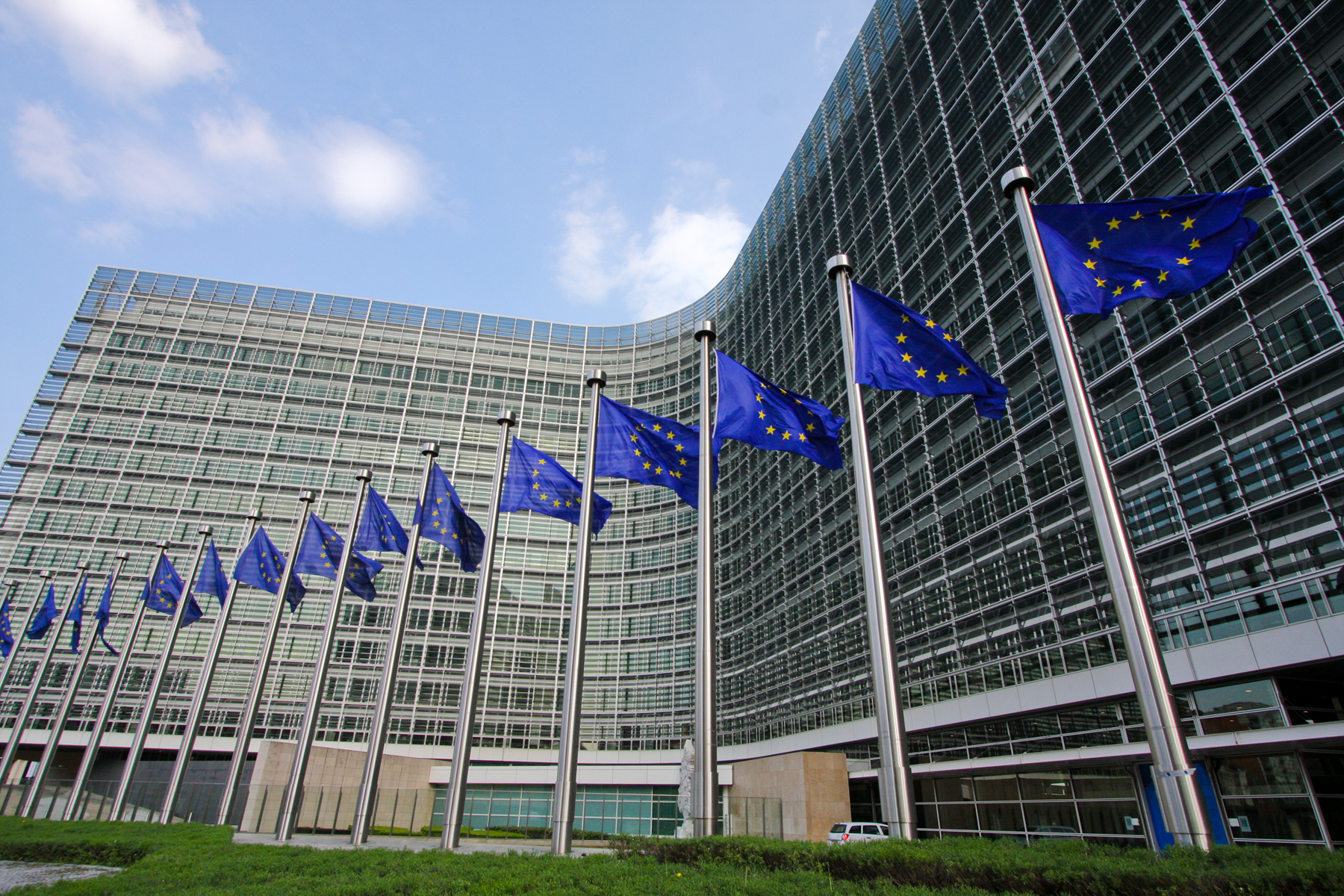
For over two decades, Europe's stance on agricultural biotechnology was defined by three letters: GMO. To cultivate or sell a genetically modified (GM) crop in the region meant going through the world's strictest regulatory labyrinth. Europe's regulation of GM crops is based on absolute precaution, so impenetrable that it freezes innovation right at the laboratory door.
Out in the fields, the climate is changing even faster. Extreme heat is scorching Spanish wheat, erratic frosts are devastating French vineyards, and everywhere, aggressive new pests are thriving in warming climates. The European Union (EU) is now on the verge of implementing its biggest policy shift on agricultural biotechnology. While currently regulated under strict GMO rules following the 2018 European Court of Justice (ECJ) ruling, the Proposal on New Genomic Techniques and Plant Reproductive Material (EU Proposal) released in 2023 is poised to boost innovation and sustainability in the EU's agrifood sector. Compelled by the arrival of New Genomic Techniques (NGTs) such as CRISPR-Cas9, the EU is moving to lift its decades-old GMO restrictions and is closer to making precision-bred crops a commercial reality.
EU's Proposed Two-Tier System
The centerpiece of the EU's 2023 NGT Proposal is a pragmatic, text-first legislative framework that divides gene-edited plants into two distinct legal categories. The Proposal maintains the established two-tier approach to ensure safety while fostering innovation:
- Category 1 NGT plants could occur naturally or through conventional breeding methods. NGT-1 crops bypass rigorous GMO risk assessments and complex authorization requirements. They are exempt from the rules currently set out in the GMO legislation and would not be labeled. However, seeds produced through those techniques would have to be labeled.
- Category 2 NGT plants include all other NGT plants and are subject to stricter oversight. These crops would still go through under existing GMO rules, including full environmental risk assessments, strict traceability, and explicit consumer labeling. Individual EU member states also retain the right to ban the cultivation of NGT-2 crops within their borders.
Where the Proposal Stands
The 2023 NGT proposal has moved from a theoretical policy paper suggested by the Council of the European Union in 2019 into a fast-tracked legislative reality, progressing through crucial hurdles in late 2025 and early 2026.
- The Trilogue Breakthrough. In December 2025, negotiators from the European Commission, the European Council, and the European Parliament reached a provisional agreement on the two-tier framework.
- Committee Endorsement. On January 28, 2026, the European Parliament's Committee on Environment, Public Health and Food Safety (ENVI Committee) approved the trilogue compromise by a strong majority (47-31) vote. It formally approved the agreement, indicating that the legislation will soon be fully implemented throughout the EU (27).
- Council Endorsement. On April 21, 2026, the Council of the European Union formally adopted and endorsed its first-reading position on the agreed text, thereby compromising and solidifying member-state backing. On May 5, 2026, the Council officially adopted the regulation text, formally handing the file over to the European Parliament.
Now that both the Council and Parliament have acted on this milestone, the regulation moves toward official publication, initiating a 24-month transitional period to draft the technical guidelines and implementing rules before it becomes fully applicable. The new framework is expected to be applied by mid-2028.
Arguments and Stakes on the EU's NGT Proposal
The proponents of the Proposal, including agribusiness and scientists, argue that NGTs are vital for climate resilience, offering rapid development of drought-resistant, pest-resilient, and fertilizer-efficient crops. They believe deregulation secures Europe's food supply, fulfills Green Deal goals, and prevents the EU from losing a global tech race to the US and China.
On May 4, 2026, a coalition of 31 European agri-food value chain organizations issued a joint statement calling for the swift adoption of the New Genomic Techniques (NGT) regulation without further amendments. In a letter dated May 15, 2026, four prominent European plant biotechnology associations have issued a joint open letter urging members of the ENVI to swiftly pass a pending compromise regulation on NGTs. The letter was signed by the French Association of Plant Biotechnologies (AFBV), Forum Grüne Vernunft (FGV), the Society for Plant Biotechnology (GfPB), and the Genomics and Genetic Engineering Research Circle (WGG).
The opponents of the NGT Proposal fear that a lack of supermarket labeling and reduced traceability will lead to unintended cross-pollination, ruining the integrity of organic farming and stripping away consumer choice. They also worry that corporate patents on NGT seeds will create monopolies, harming independent farmers.
A Fundamental Test for Europe
Ultimately, the vote is about more than just rewriting food and agricultural policy. The NGT Proposal is a fundamental test of European identity. As climate realities force the EU to trade its long-held precautionary principle for the promises of gene editing, the bloc is attempting a high-stakes balancing act. If the region can successfully foster agricultural innovation without sacrificing market transparency and farmer independence, then it has designed a global blueprint for 21st-century food security. If it fails, it risks fracturing the very farming communities and consumer trust that it is trying to protect.
For Further Reading
- EU Advances Legislative Process for New Genomic Techniques Toward Final Adoption
- EU Reaches Landmark Deal on New Genomic Techniques to Boost Agri-Food Sector
- Plant Biotechnology Associations Urge EU Parliament to Reject NGT Amendments
- Agri-Food Coalition Urges Swift EU Adoption of New Genomic Technique Regulations
| Newer Post | Archive | Older Post |
Science Speaks is ISAAA Inc.'s official blog. Weekly blog articles, authored by ISAAA writers, partners, and invited contributors, aim to help share, disseminate, and promote scientific knowledge and its vital role in achieving global agricultural sustainability and development. Your support to Science Speaks will help us achieve this goal. You can help us by donating as little as $10.