FDA Approves Texas A&M's Ultra-Low Gossypol Cotton for Human and Animal Consumption |
|
|
|
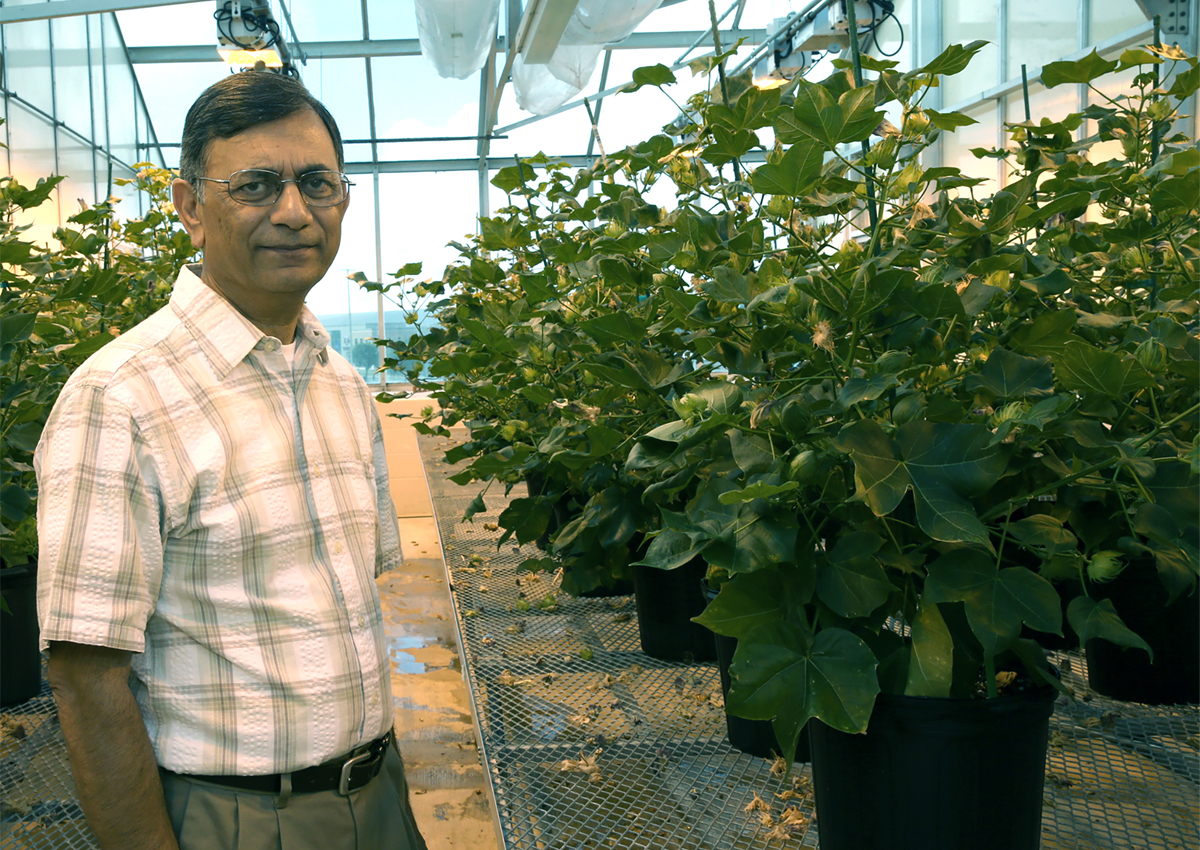
The U.S. Food and Drug Administration (FDA) has approved an ultra-low gossypol cottonseed, ULGCS, to be utilized as human food and animal feed. ULGCS is derived from a transgenic cotton variety TAM66274 developed by plant biotechnologist Keerti Rathore and his team at Texas A&M AgriLife Research. TAM66274 is a unique cotton plant with ultra-low gossypol levels in the seed, which makes the protein from the seeds safe for food use, but also maintains normal plant-protecting gossypol levels in the rest of the plant, making it ideal for the traditional cotton farmer.
|
|
|
|
|
|
|
14% of Global Food Goes to Waste, FAO Reports |
|
|
|
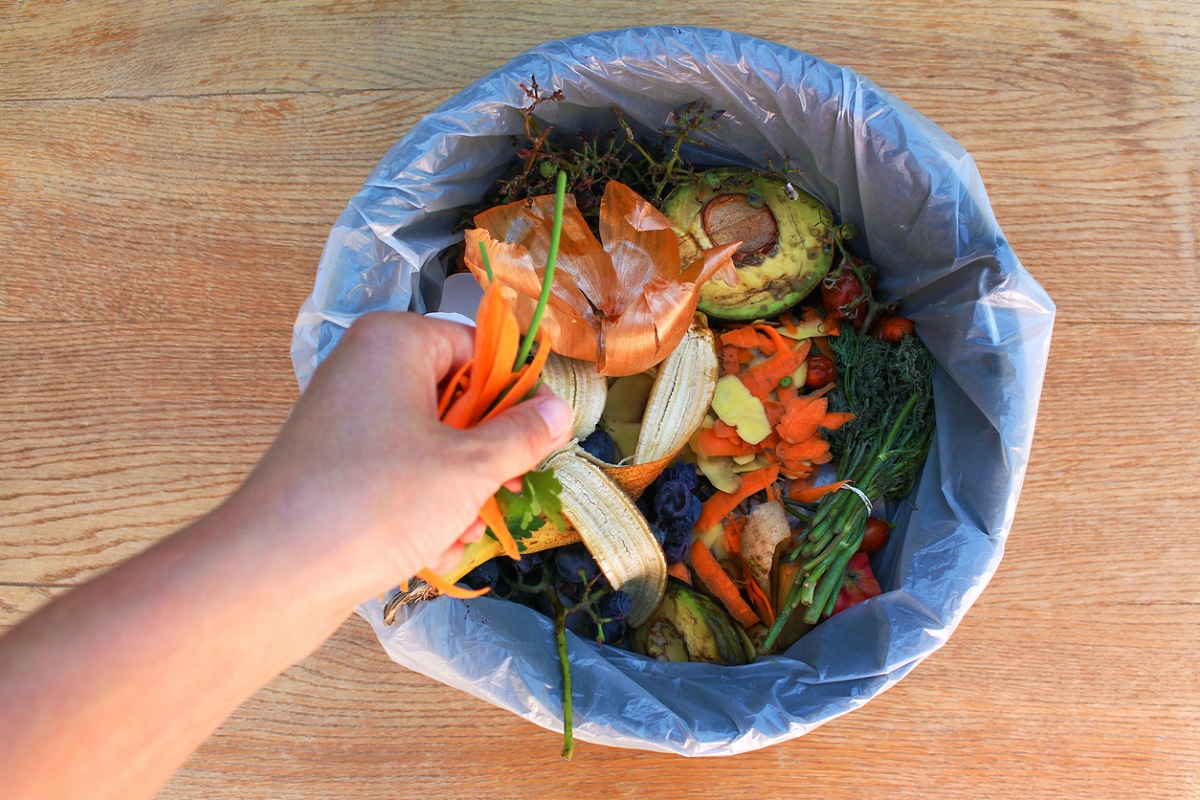
Around 14 percent of global food goes to waste after harvesting and before reaching the retail level, including through on-farm activities, storage, and transportation. This is according to the report on the State of Food and Agriculture released by the Food and Agriculture Organization of the United Nations (FAO).
|
|
|
|
|
Large-scale Genomics for Wheat Improvement |
|
|
|
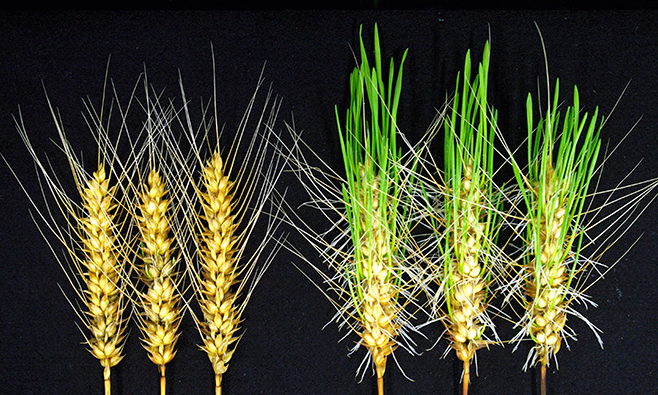
Improving bread wheat using genomic tools is vital in speeding up development of varieties with enhanced traits. Thus, Carlos Guzman from the International Maize And Wheat Improvement Center (CIMMYT) and other genetics experts used large scale genomics and looked into the validity of genomic selection to improve wheat with less field work and less lab work. Their findings are published in Nature Genetics.
|
|
|
|
|
|
|

|
A biweekly update on gene editing research, regulations, and impact
produced by ISAAA Inc. |
| |
|
|

|
| A monthly update on gene drive research and development provided by ISAAA in collaboration with the Outreach Network for Gene Drive Research |
| |
|
|
|
|
|
|