A group of experts from Radboud University in The Netherlands documented that informing people of a scientific consensus opposing their false beliefs, especially about genetically modified (GM) foods, can help to correct those beliefs. The strategy can be beneficial in campaigns to counter misinformation about the benefits of GM foods.
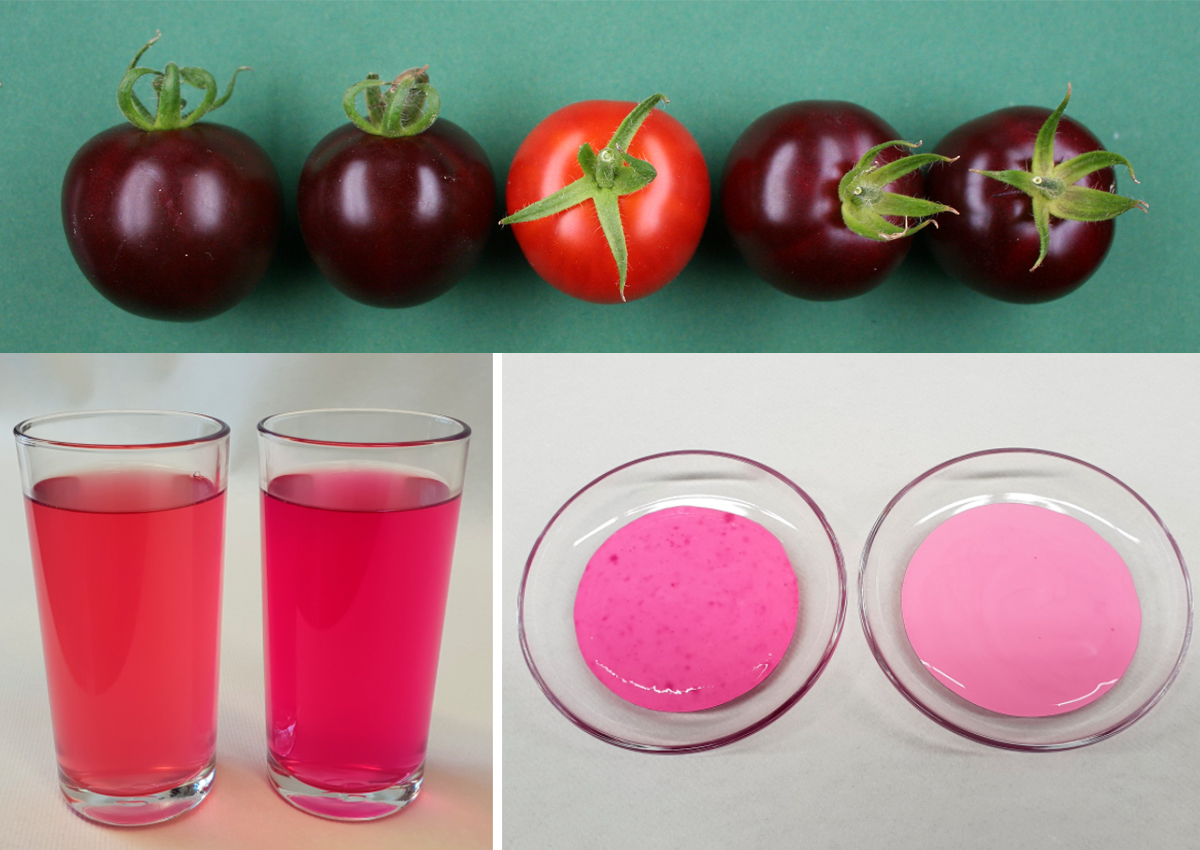
Scientists at the Leibniz Institute for Plant Biochemistry (IPB) in Halle have used genetic engineering methods to produce purple tomatoes using dye from beetroot.
Scientists from the United States and Australia recently published their work on the food and feed safety study of DHA canola, genetically engineered Brassica napus, which revealed its safety for use in human foods, nutraceuticals or animal feeds. This brings the DHA canola a step closer to being part of a solution to alleviate the high pressure in marine resources for the production of omega 3 fatty acids.
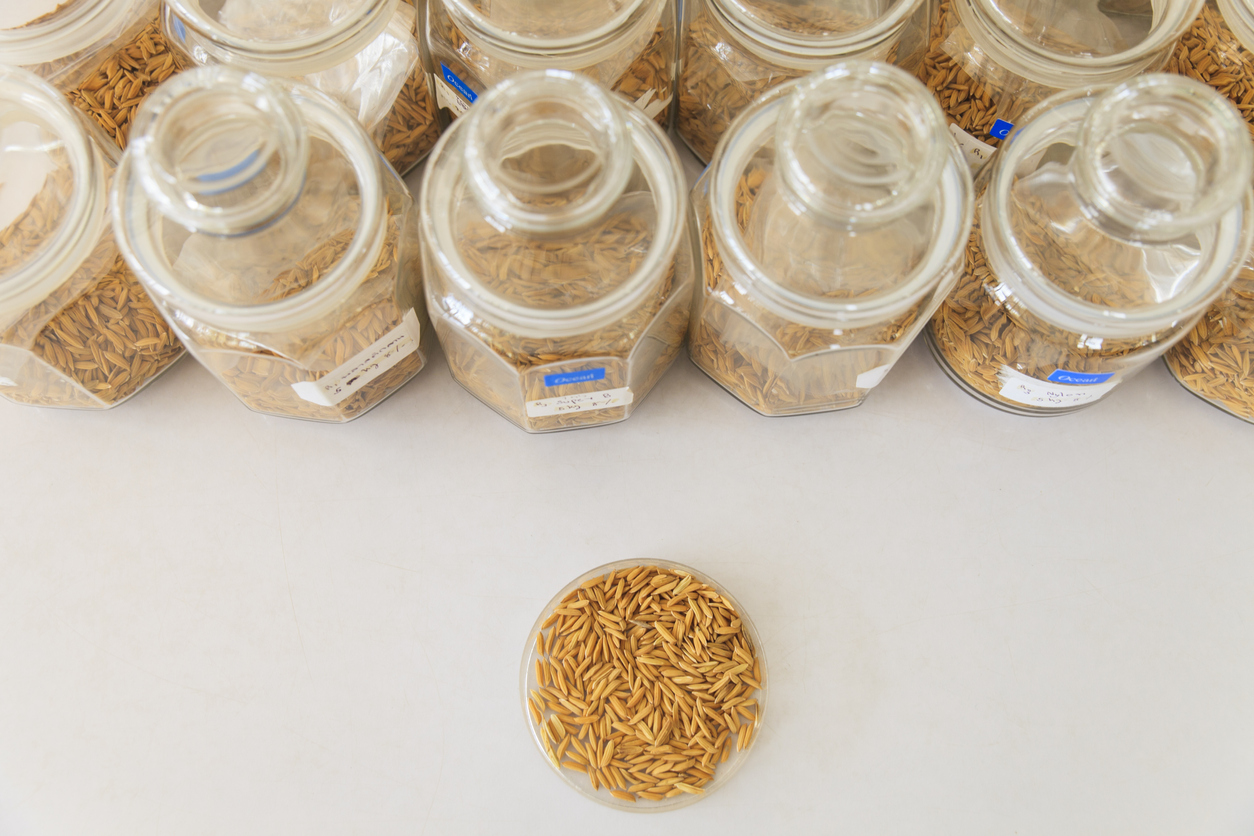
Researchers from the Chinese Academy of Sciences and Zhejiang University used CRISPR-Cas9 gene editing technology to investigate the molecular mechanism of OsFtsH2. The results are reported in BMC Plant Biology.