ISAAA Global Report on Biotech Adoption Now Available |
|
|
|
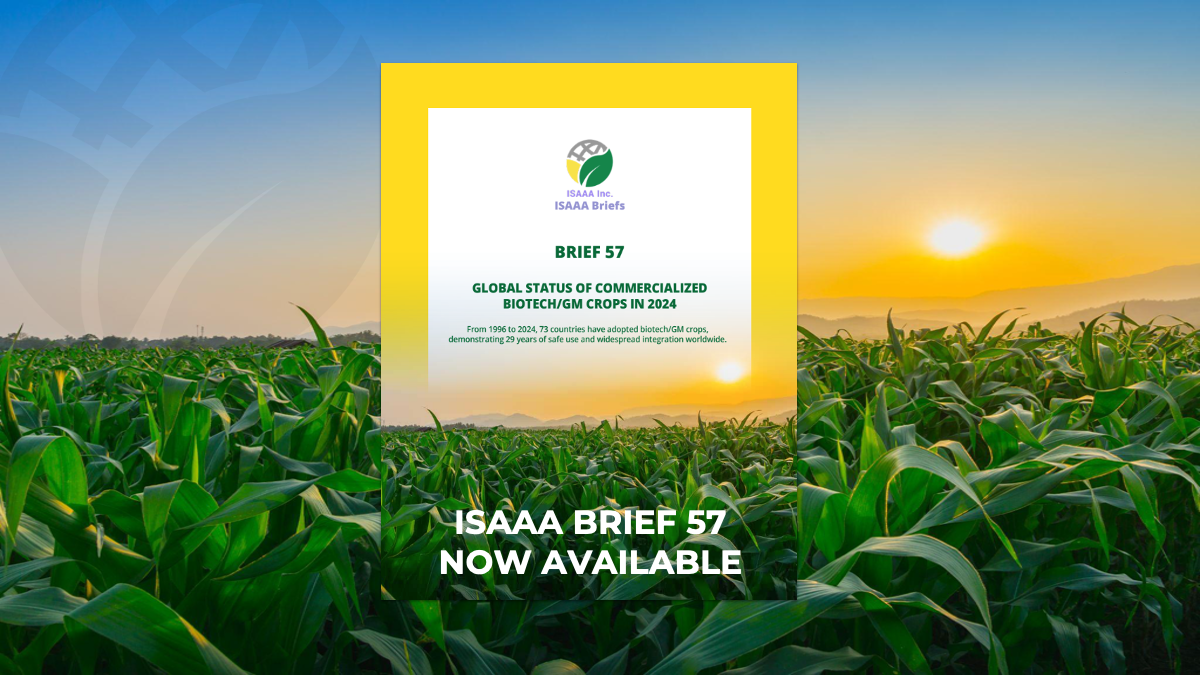
From 1996 to 2024, 73 countries have adopted biotech crops, demonstrating 29 years of safe use and widespread integration worldwide, according to the report released by the International Service for the Acquisition of Agri-biotech Applications (ISAAA), Inc., which provides the current landscape of biotech crop adoption globally.
|
|
|
|
|
Study Highlights Benefits and Barriers to GM Crop Adoption in Sub-Saharan Africa |
|
|
|
A study conducted by researchers from Federal University Otuoke, Genomac Institute, and University of Birmingham highlights that genetically modified (GM) crops could help reduce reliance on chemical pesticides in Sub-Saharan Africa while improving crop yields and farmer livelihoods. The research reviewed studies and policy data from 2010 to 2025, focusing on Nigeria, South Africa, and Burkina Faso, to assess the benefits and challenges of adopting GM crops in the region.
|
|
|
|
|
Global Pangenome Map Unlocks Secret to Climate-Resilient Sorghum |
|
|
|
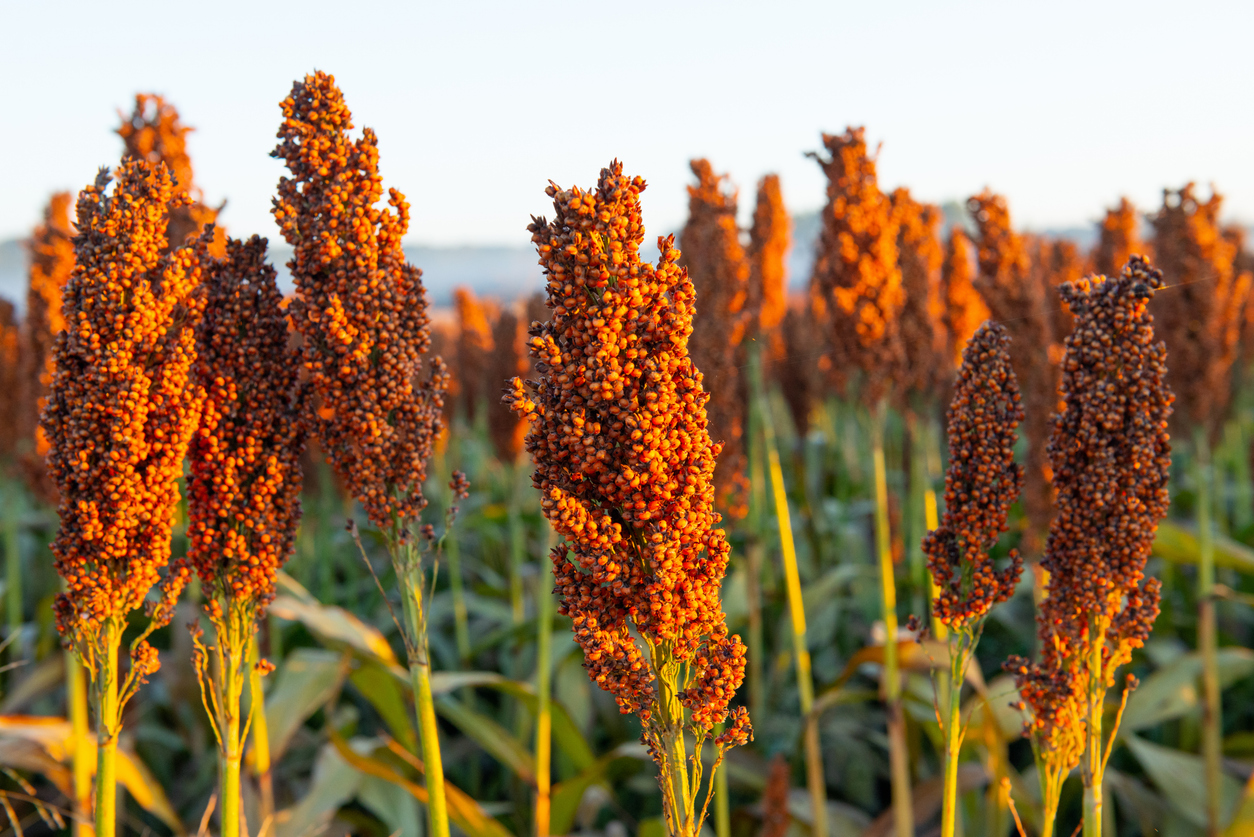
In a study published in Nature, scientists have unveiled a pangenome for sorghum, a staple crop for millions in arid regions. Traditional genomic research relies on a single reference genome, which often fails to account for the significant structural differences found across a species. To bridge this gap, the team constructed a 33-member pangenome reference and analyzed a diversity panel of 1,984 cultivars and landraces. This high-resolution map allows breeders to see hidden DNA variations that influence how plants grow, yield, and respond to environmental stress, transforming our understanding of one of the world's most resilient crops.
|
|
|
|
|
Study Finds Tomatoes, Carrots, and Lettuce Store Wastewater Contaminants in their Leaves |
|
|
|
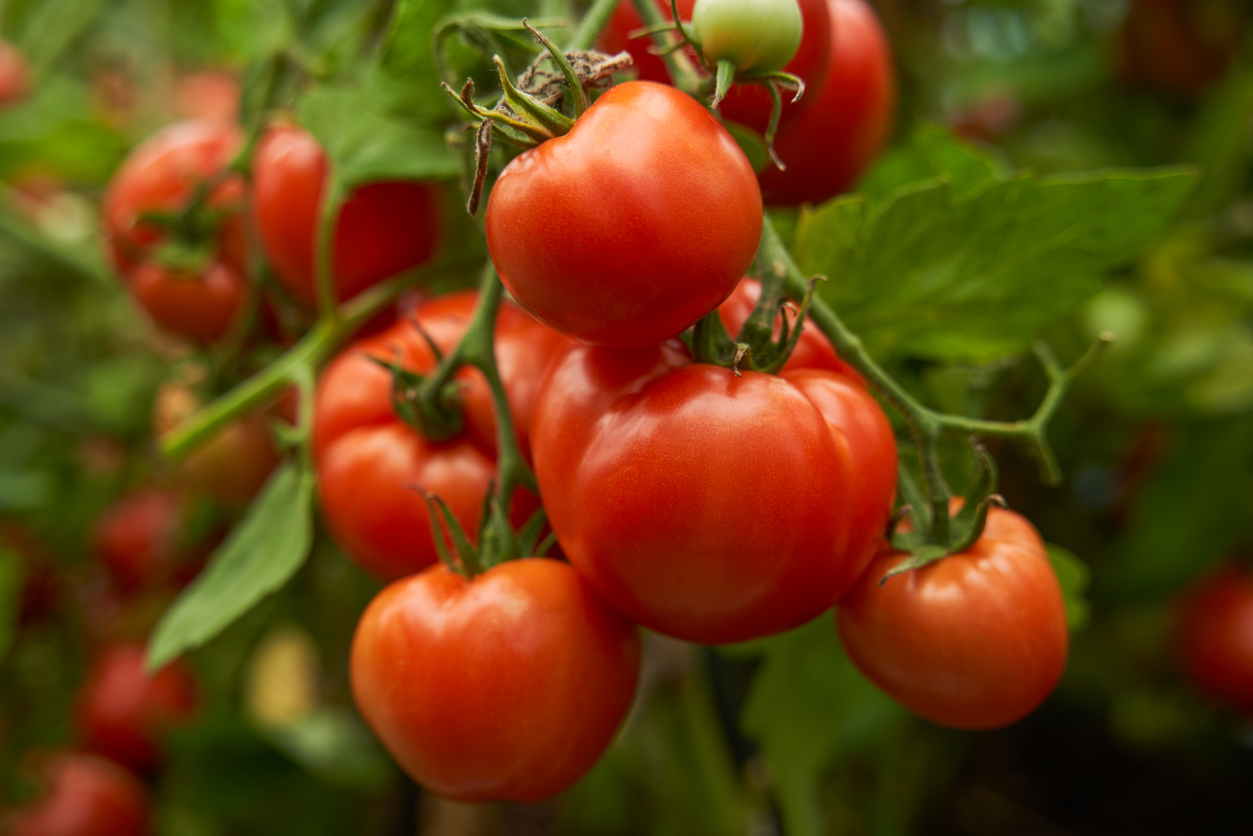
A new study from Johns Hopkins University has found that many common crops, including tomatoes, carrots, and lettuce, store pharmaceutical byproducts from treated wastewater primarily in their leaves rather than their edible portions. This discovery offers a sigh of relief for food safety, as it suggests the fruits and roots consumed by humans remain largely shielded from chemical contaminants.
|
|
|
|
|
|
|

|
A biweekly update on gene editing research, regulations, and impact
produced by ISAAA Inc. |
| |
|
|

|
| A monthly update on gene drive research and development provided by ISAAA in collaboration with the Outreach Network for Gene Drive Research |
| |
|
|
|
|
|
|