A Compact Solution for Precision Agriculture |
|
|
|
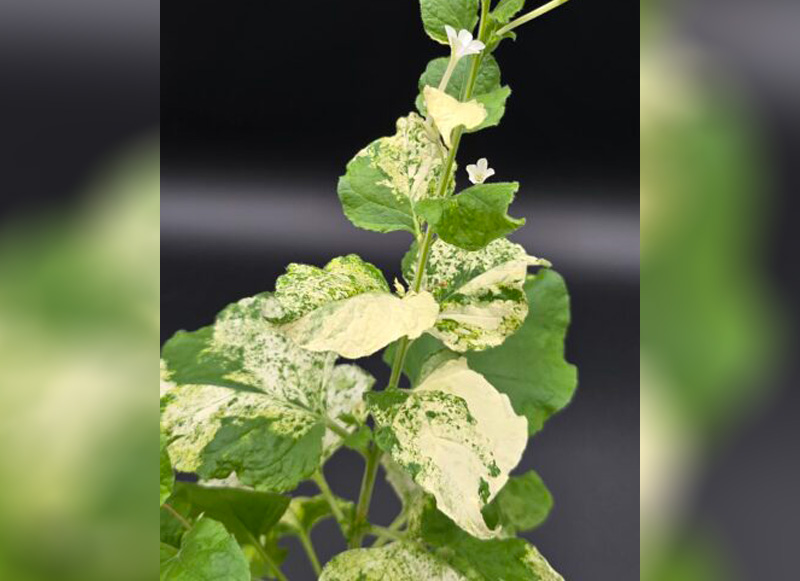
Researchers from the University of California, Davis (UC Davis) and the Innovative Genomics Institute (IGI) have developed a "pint-sized" gene editor that overcomes the size limitations of traditional CRISPR-Cas9. This engineered enzyme, derived from "jumping genes," allows for highly efficient and heritable plant gene editing via a simple viral delivery system, bypassing the need for complex and highly regulated genetic modification.
|
|
|
|
|
ISF Chief Urges Global Regulatory Alignment to Unlock the Potential of Gene-Edited Seeds |
|
|
|
The International Seed Federation (ISF) is calling for a unified global regulatory framework for gene-edited seeds to prevent trade disruptions and accelerate agricultural innovation. By aligning standards across borders, the organization aims to ensure that farmers worldwide can access resilient, high-yielding crop varieties necessary to combat climate change and food insecurity.
|
|
|
|
|
|
|
Rice Gene Discovery to Reduce Fertilizer Needs |
|
|
|
Researchers from the University of Oxford, Nanjing Agricultural University, and the Institute of Genetics and Developmental Biology (Chinese Academy of Sciences) have identified a "master regulator" gene in rice that could revolutionize sustainable farming. This discovery, published in the journal Science in February 2026, allows rice plants to maintain high yields even when nitrogen fertilizer levels are significantly reduced, potentially curbing both agricultural costs and environmental pollution.1
|
|
|
|
|
|
|

|
A biweekly update on gene editing research, regulations, and impact
produced by ISAAA Inc. |
| |
|
|

|
| A monthly update on gene drive research and development provided by ISAAA in collaboration with the Outreach Network for Gene Drive Research |
| |
|
|
|
|
|
|