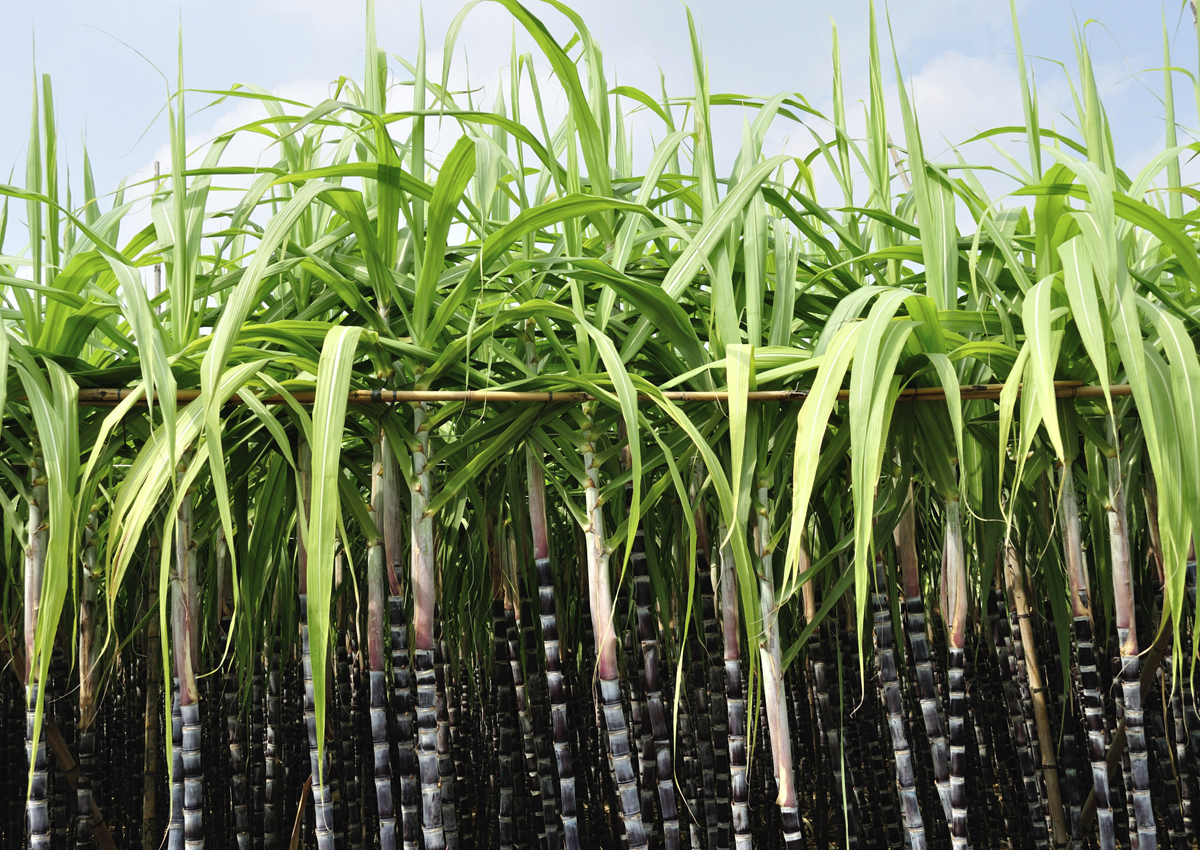
Brazilian sugarcane farmers are expected to double the area planted to biotech insect resistant sugarcane this year, according to Centro de Tecnologia Canavieira (CTC). The CTC estimates that the biotech sugarcane varieties resistant to stem borers will cover 70,000 hectares in the 2022/2023 season, up from 37,000 in the previous year.
A study initiated by the Institute for Feed Education and Research (IFEEDER) found that using feeds free from genetically modified (GM) ingredients may cost more for players in the livestock and poultry industries. The act can also lead to increased greenhouse gas emissions and decreased chances of preserving biodiversity habitats.
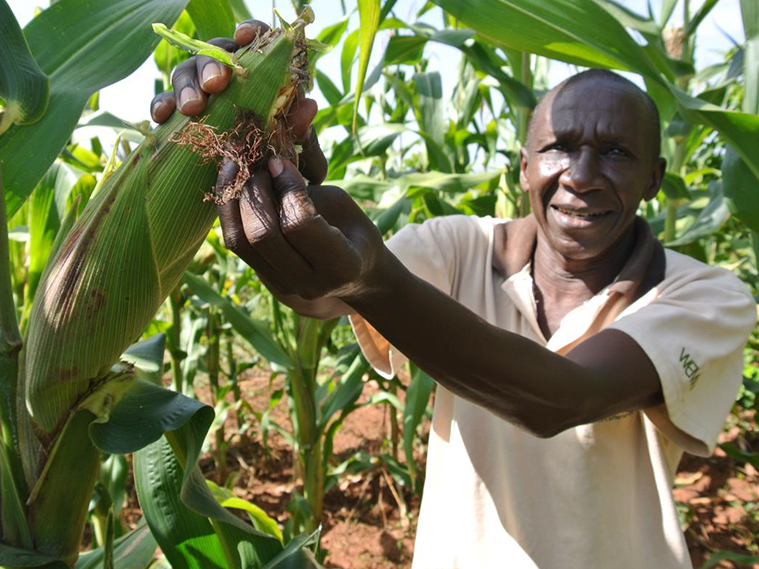
Nigeria will start the national performance trials for drought tolerant and insect resistant maize known as TELA. This is a huge step for farmers towards better pest resistance and productivity.
To complement the adoption of genetically modified (GM) crops, experts recommend the conduct of national and international training courses, effective communication among key players, the adoption of bottom-up management, identifying experienced managers, involving experts in the planning and development stages of GM crops, and sharing of personal experiences to the audience to favorably change people's attitude towards GM crops.