ISAAA and MABIC Announce 2026 Asian Short Course in Malaysia |
|
|
|
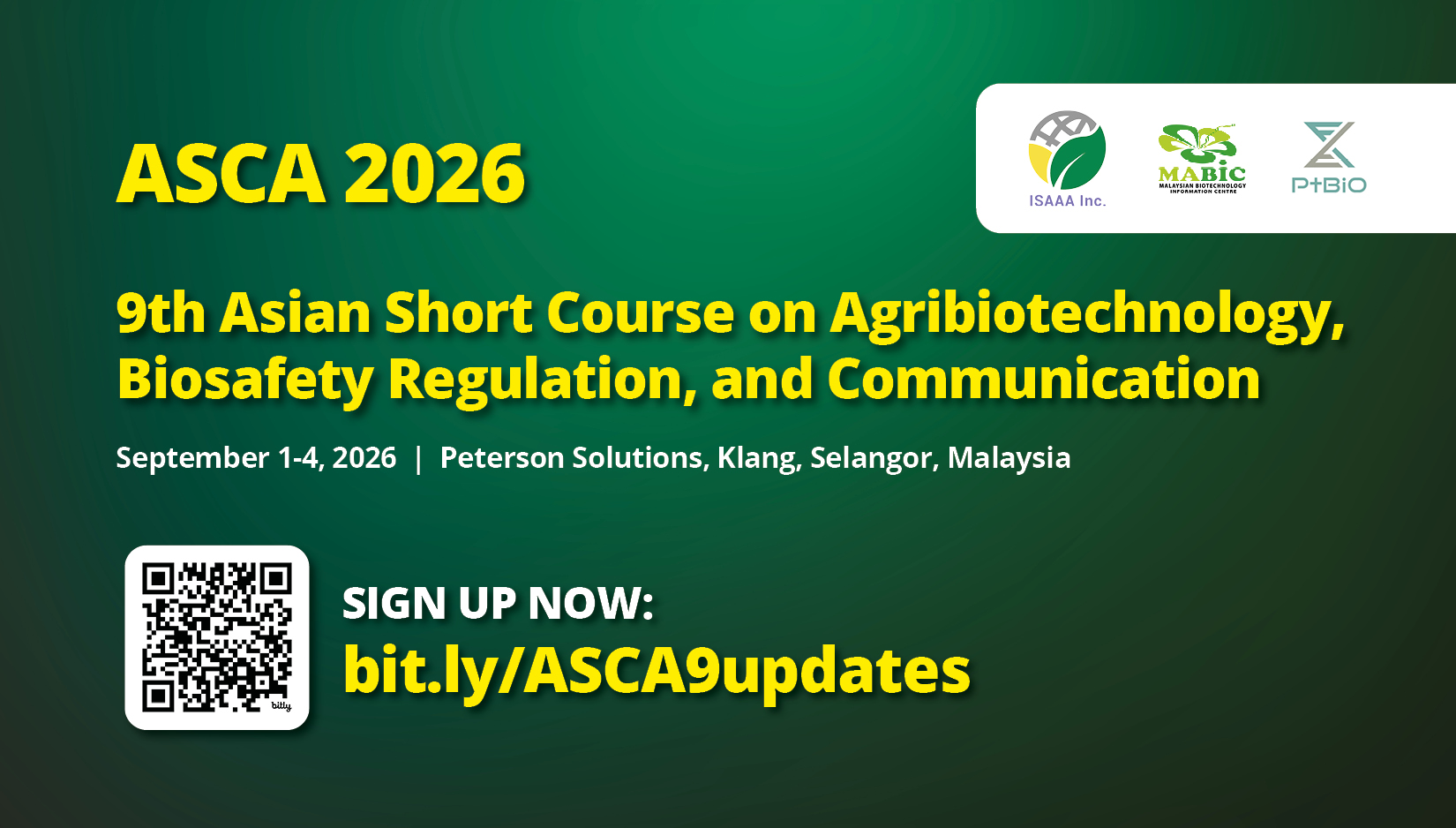
Agricultural biotechnology holds immense potential to foster sustainable agriculture, but transforming lab breakthroughs into real-world solutions requires a seamless blend of robust R&D, science-based regulations, and effective communication. To ensure society reaps these benefits while minimizing risks, scientists, regulators, and policymakers must collaborate closely so that scientific advancements and regulatory practices evolve hand in hand. To bridge these fields, the International Service for the Acquisition of Agri-biotech Applications (ISAAA), Inc., the Malaysian Biotechnology Information Centre (MABIC), and partners announce the 9th Asian Short Course on Agribiotechnology, Biosafety Regulation, and Communication (ASCA 2026), taking place from September 1–4, 2026, at Peterson Solutions in Klang, Selangor, Malaysia.
|
|
|
|
|
European Parliament Approves New Rules for Genomic Techniques in Agriculture |
|
|
|
The European Parliament has officially adopted new rules to facilitate the use of New Genomic Techniques (NGTs) in agriculture, a move aimed at enhancing crop resilience, sustainability, and competitiveness. Under this new framework, NGT-developed plants will be categorized based on the complexity of their genetic modifications. NGT-1 plants with changes achievable through conventional breeding will be treated similarly to conventional crops. NGT-2 plants, which involve more extensive modifications, will remain subject to stricter, existing rules for genetically modified organisms.
|
|
|
|
|
Scientists Discover Gene to Help Rice Escape Heat and Protect Yields |
|
|
|
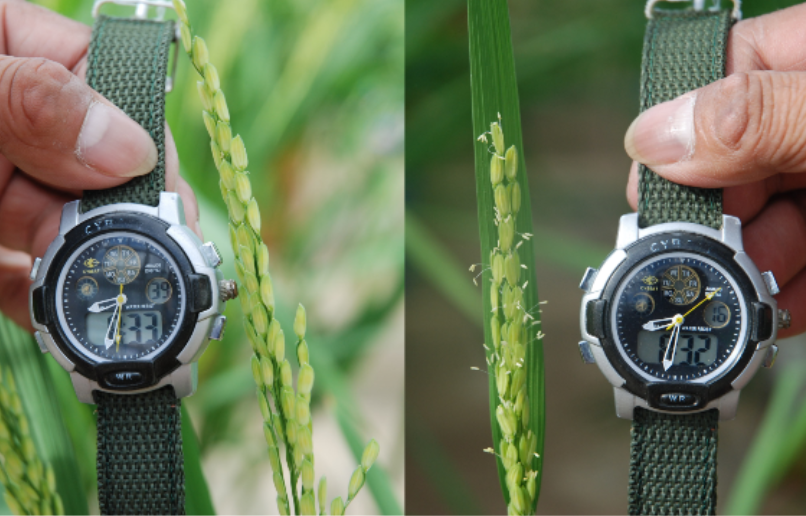
In a significant breakthrough for global food security, scientists from Japan's National Agriculture and Food Research Organization (NARO), other Japanese research institutions, and the International Rice Research Institute (IRRI) have discovered a gene that enables rice to avoid heat stress. The gene, known as EMF3 (Early Morning Flowering 3), prompts rice plants to flower earlier in the day when temperatures are cooler. This shift helps the plant bypass the peak heat hours of 10:00 AM to noon, when high temperatures disrupt fertilization and cause grain sterility.
|
|
|
|
|
Researchers Develop Sustainable Bioplastic from Potato Starch |
|
|
|
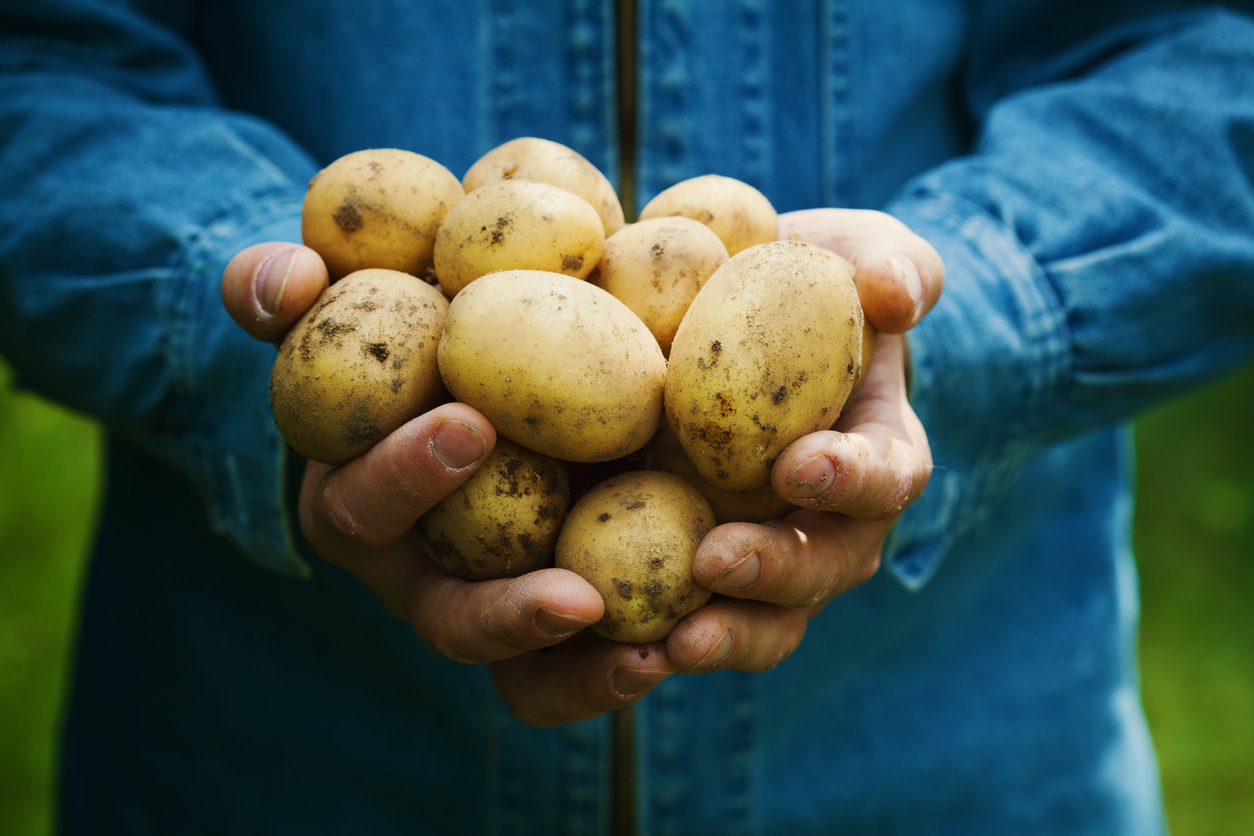
Researchers at the University of Barcelona (UB) have engineered the bacterium Bacillus subtilis to produce a high-value, biodegradable bioplastic. By utilizing unprocessed potato starch as a low-cost, renewable feedstock, the team successfully created polyhydroxybutyrate (PHB)—a biodegradable polymer—through a streamlined, single-step process completed within 24 hours.
|
|
|
|
|
|
|

|
A biweekly update on gene editing research, regulations, and impact
produced by ISAAA Inc. |
| |
|
|

|
| A monthly update on gene drive research and development provided by ISAAA in collaboration with the Outreach Network for Gene Drive Research |
| |
|
|
|
|
|
|