|
|
UN Releases Global Report on the State of Food Security and Nutrition |
|
|
|
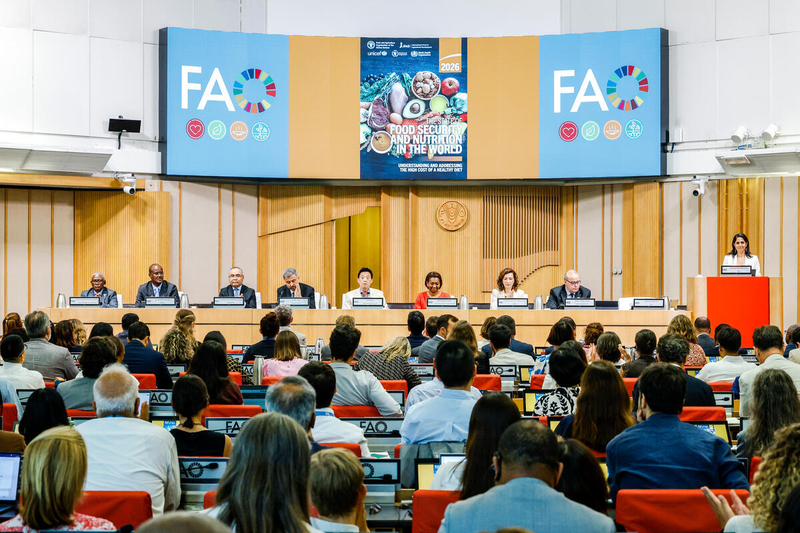
The number of hungry individuals continues to decrease for the third year in a row, showing progress is attainable. However, the progress recorded was unstable, unevenly distributed, and insufficient to attain the Sustainable Development Goals by 2030. These are the highlights of the Food and Agriculture Organization of the United Nations (FAO) report on The State of Food Security and Nutrition in the World 2026 (SOFI 2026) released on Tuesday, July 21, 2026 at FAO Headquarters in Rome, Italy.
|
|
|
|
|
Tiny Gene Edit Cuts Toxic Cadmium in Rice by Half |
|
|
|
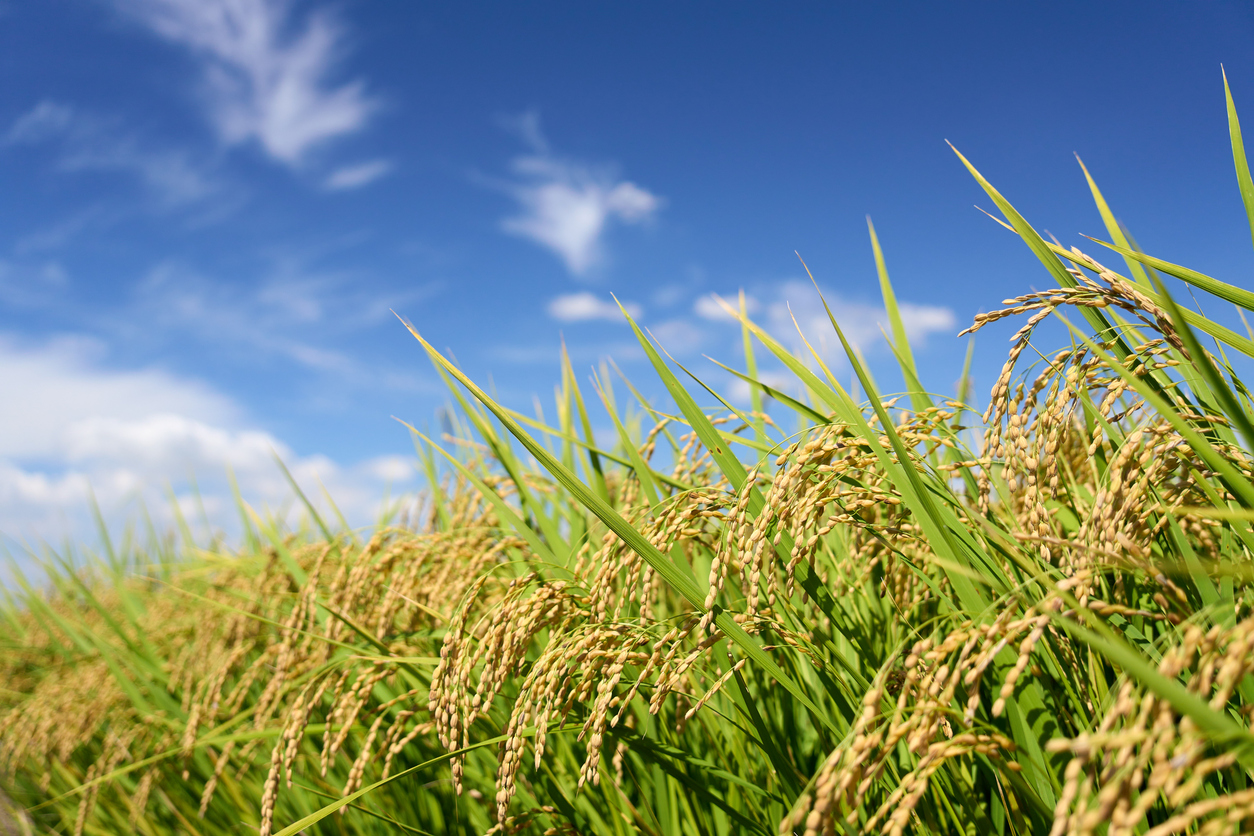
Researchers from Japan's Okayama University and the Chinese Academy of Sciences have developed a genome-edited rice variety that drastically reduces the accumulation of toxic cadmium in rice grains without compromising crop yields or essential nutrient levels. Cadmium is a carcinogenic heavy metal found in contaminated agricultural soils that easily accumulates in cereal crops, making rice one of the largest dietary sources of cadmium exposure worldwide.
|
|
|
|
|
Researchers Urge Stronger Public Education to Improve GMO Acceptance in Malaysia |
|
|
|
Researchers from International Islamic University Malaysia (IIUM) have recommended strengthening public education, improving risk communication, and adopting transparent food labeling to help consumers make informed decisions about genetically modified (GM) foods in Malaysia. The recommendations are based on a survey of 337 consumers that examined how food-related motivations influence attitudes toward GM foods.
|
|
|
|
|
|
|

|
A biweekly update on gene editing research, regulations, and impact
produced by ISAAA Inc. |
| |
|
|

|
| A monthly update on gene drive research and development provided by ISAAA in collaboration with the Outreach Network for Gene Drive Research |
| |
|
|
|
|
|
|