|
|
Ugandan Farmers Show Strong Interest in Gene-Edited Cassava |
|
|
|
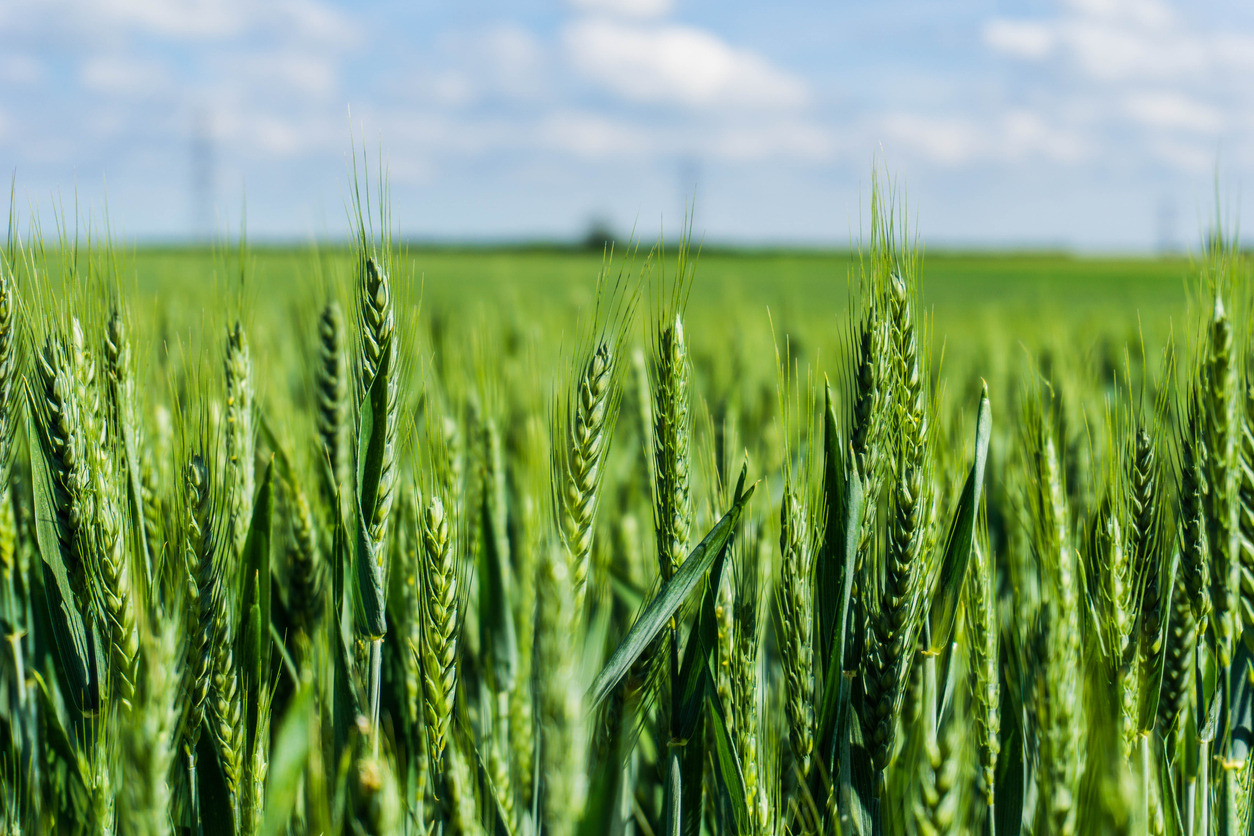
A study conducted by experts from Ghent University, Belgium and Gulu University, Uganda has identified the factors that could influence farmers' willingness to adopt genome-edited cassava resistant to cassava brown streak disease. Based on a survey of 357 cassava farmers in Northern Uganda, the researchers found that farmers generally showed positive intentions to adopt the crop if it becomes commercially available, with attitudes, confidence, and social influences playing important roles in their decision-making.
|
|
|
|
|
Clemson Scientists Discover Reduced-Allergen Peanut Lines |
|
|
|
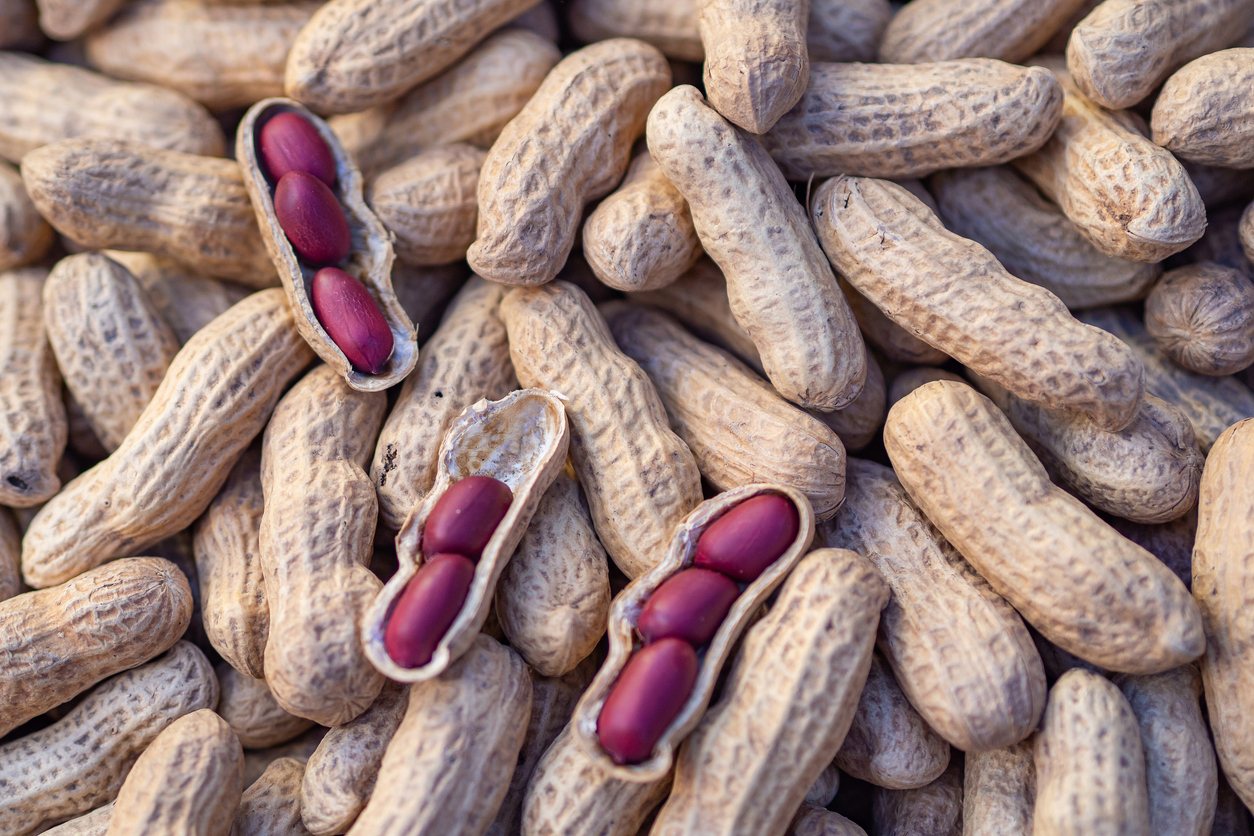
Scientists at Clemson University's Pee Dee Research and Education Center have identified key genetic regions that control production of the major allergenic proteins in peanuts. The discovery could help plant breeders develop peanut varieties that reduce the risk of accidental allergic exposure.
|
|
|
|
|
Study Reveals that Shifting to Healthier, More Sustainable Diets Would Reshape Global Agriculture by 2050 |
|
|
|
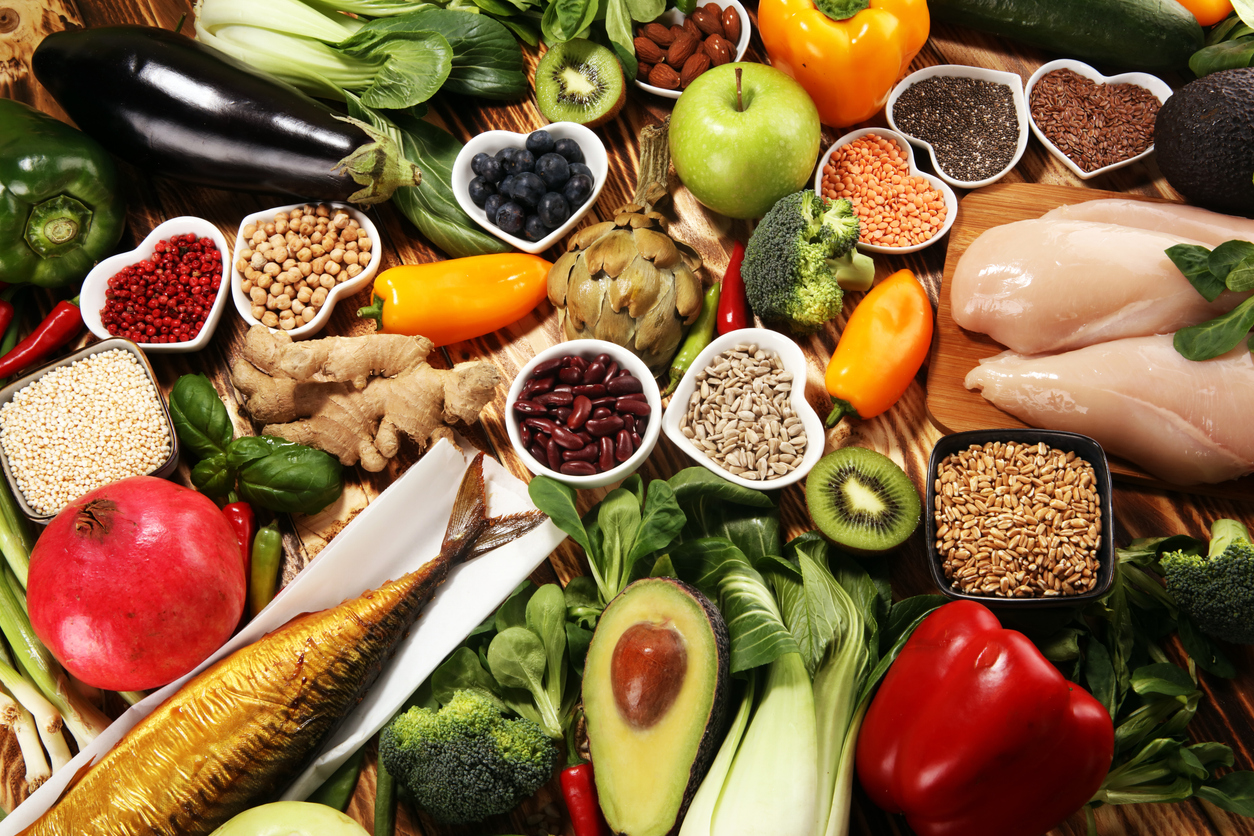
Shifting toward healthier, more sustainable global food systems by 2050 could substantially reshape global agriculture while slashing environmental damage, according to a study published in Nature. Led by researchers at Cornell University alongside the Potsdam Institute for Climate Impact Research (PIK), the study evaluated 10 global food system models to compare a "business-as-usual" trajectory against a transformation scenario characterized by healthy diets, improved crop yields, and halved food waste.
|
|
|
|
|
|
|

|
A biweekly update on gene editing research, regulations, and impact
produced by ISAAA Inc. |
| |
|
|

|
| A monthly update on gene drive research and development provided by ISAAA in collaboration with the Outreach Network for Gene Drive Research |
| |
|
|
|
|
|
|