

Emerging Biotechnological Solutions for Plastic Waste Management
| |
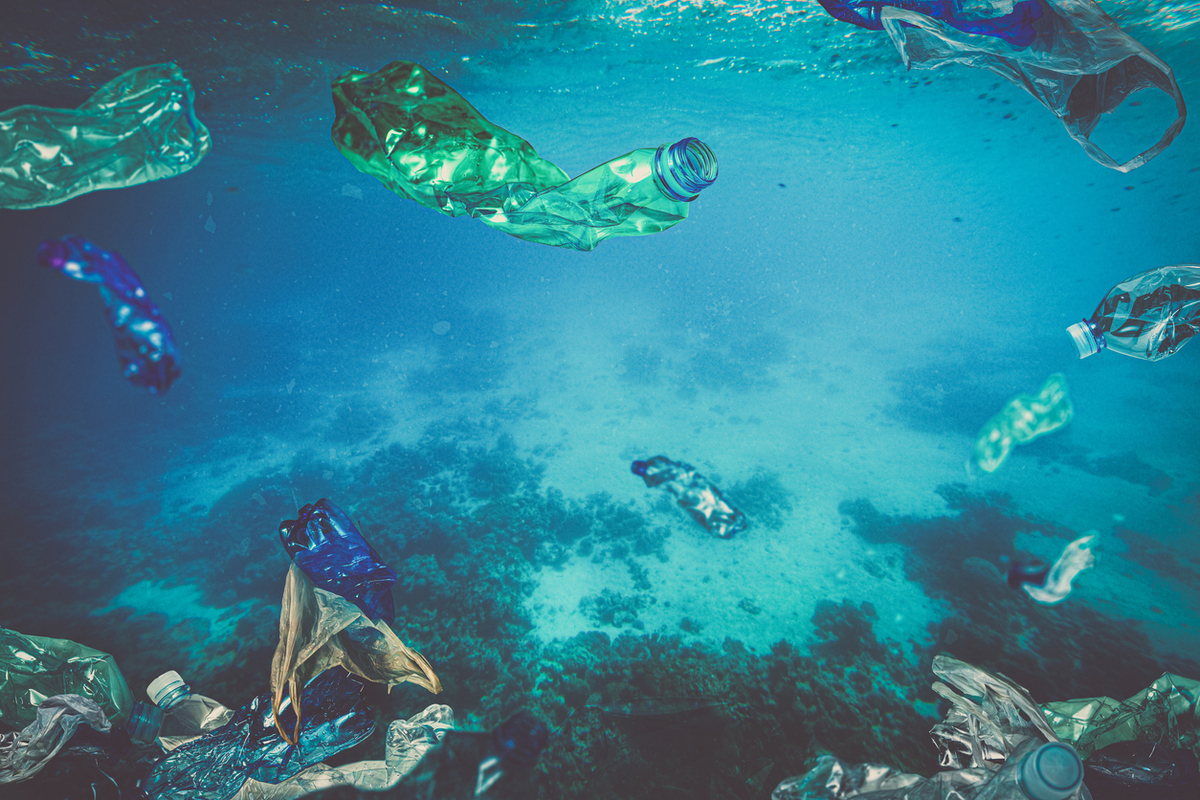
Every year, 19-23 million tonnes of plastic waste leak into aquatic ecosystems, including lakes, rivers, and seas. According to the World Economic Forum, our oceans could weigh more from plastic than from fish by 2050 if the production of plastic remains uncontrolled. Plastic waste is a global problem. Traditional plastic waste management has been insufficient to tackle the scale of the crisis. With plastic pollution continuing to rise at an alarming rate, it’s clear that innovative solutions are urgently needed.
Biotechnology is an emerging tool to address this global concern. From engineered algae that capture microplastics in wastewater to bacteria that transform polyethylene terephthalate (PET) into vanilla flavoring or into biodegradable plastic alternatives, biotechnology is reimagining plastic pollution as a resource to restore ecosystems and reduce environmental harm.
The International Service for the Acquisition of Agri-biotech Applications, Inc. (ISAAA, Inc.), through its Biotech Updates e-newsletter, continues to monitor global biotechnology breakthroughs that offer solutions to specific problems. This article spotlights key research and development advances that demonstrate how biotech innovations are transforming plastic waste management while driving more sustainable solutions worldwide.
Engineered Algae Capture Microplastics from Wastewater
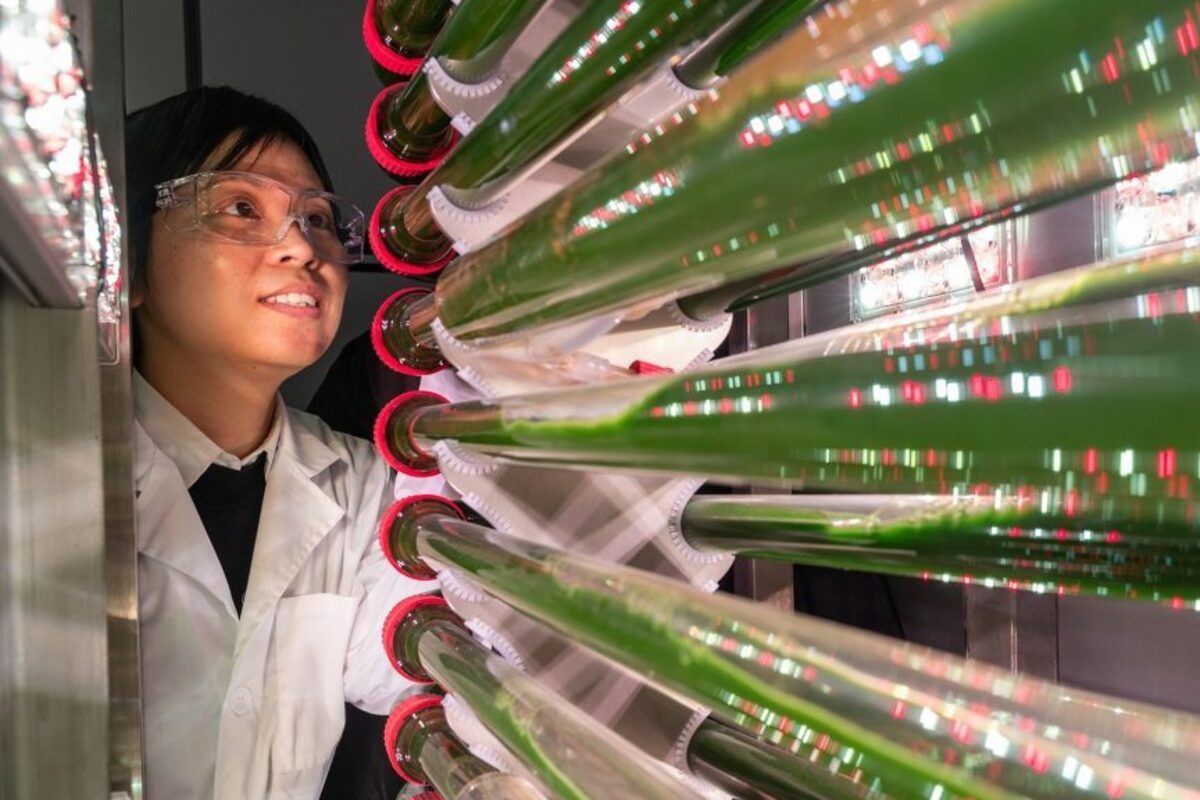
Prof. Susie Dai, a researcher in the Department of Chemical and Biomedical Engineering at the University of Missouri, has developed genetically engineered algae that can remove microplastics from wastewater by converting them into a biomass that is easy to collect and remove. Prof. Dai used genetic engineering to create a lab-grown algae that produce limonene, a volatile natural oil that makes the new algae water-repellent. Because microplastics are also water-repellent, they stick to the algae when they come into contact, clumping together and sinking as a solid mass that can be easily collected. The engineered algae can grow in wastewater, absorbing excess nutrients and helping clean the water as they grow.
Biotechnology Turns Plastic Into Energy Sources and Enzyme-based Methods
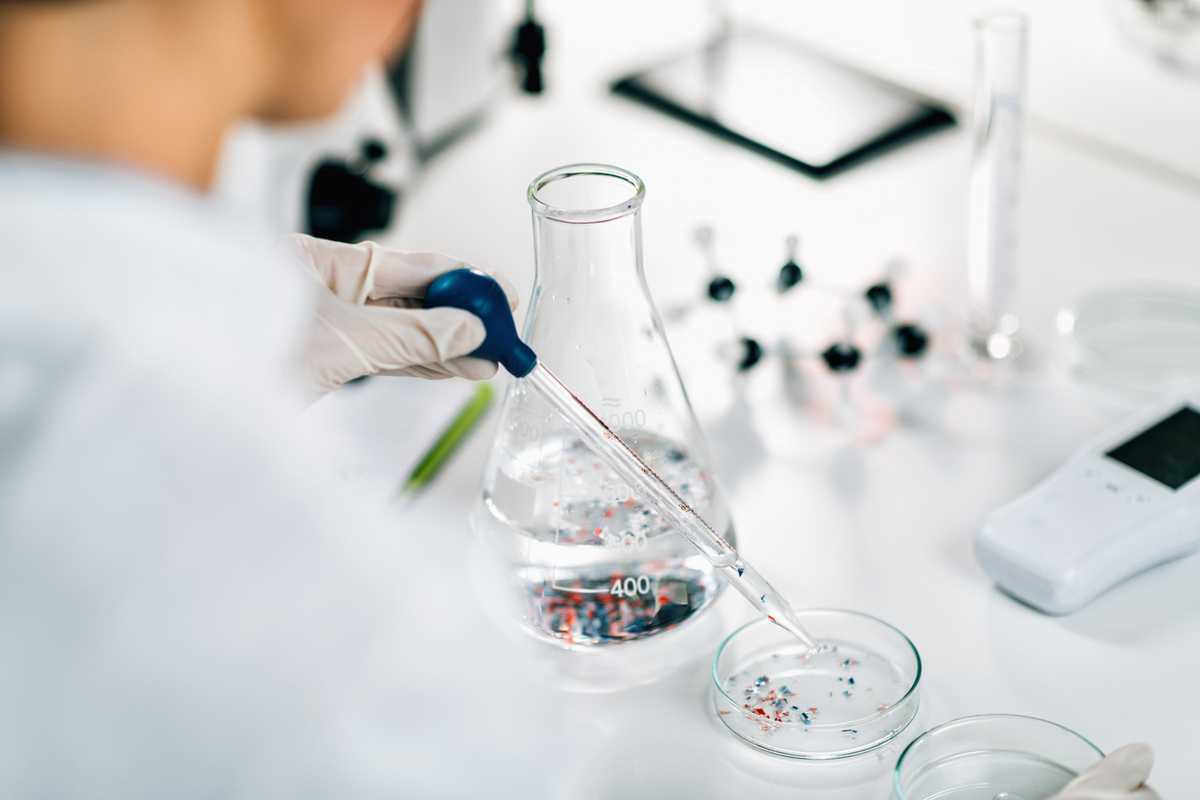
Research teams at the University of Waterloo collaborate to tackle the growing plastic pollution crisis using synthetic biology, microbial engineering, and other engineering approaches. Waterloo's research group explores microbial pathways that turn plastic into energy sources and enzyme-based methods that degrade PET plastics in wastewater. Their studies show that certain microbes can simultaneously metabolize carbon dioxide and plastic waste. The research team also looks into evolving microbes that “eat” plastics and engineering synthetic symbiotic bacterial consortia for the bioconversion of plastic waste. Early findings show that engineered microbes and redesigned materials could enable more sustainable plastic degradation and upcycling systems. This method offers a great advantage for reducing plastic pollution.
Engineered Bacteria Create Biodegradable Plastic Alternative
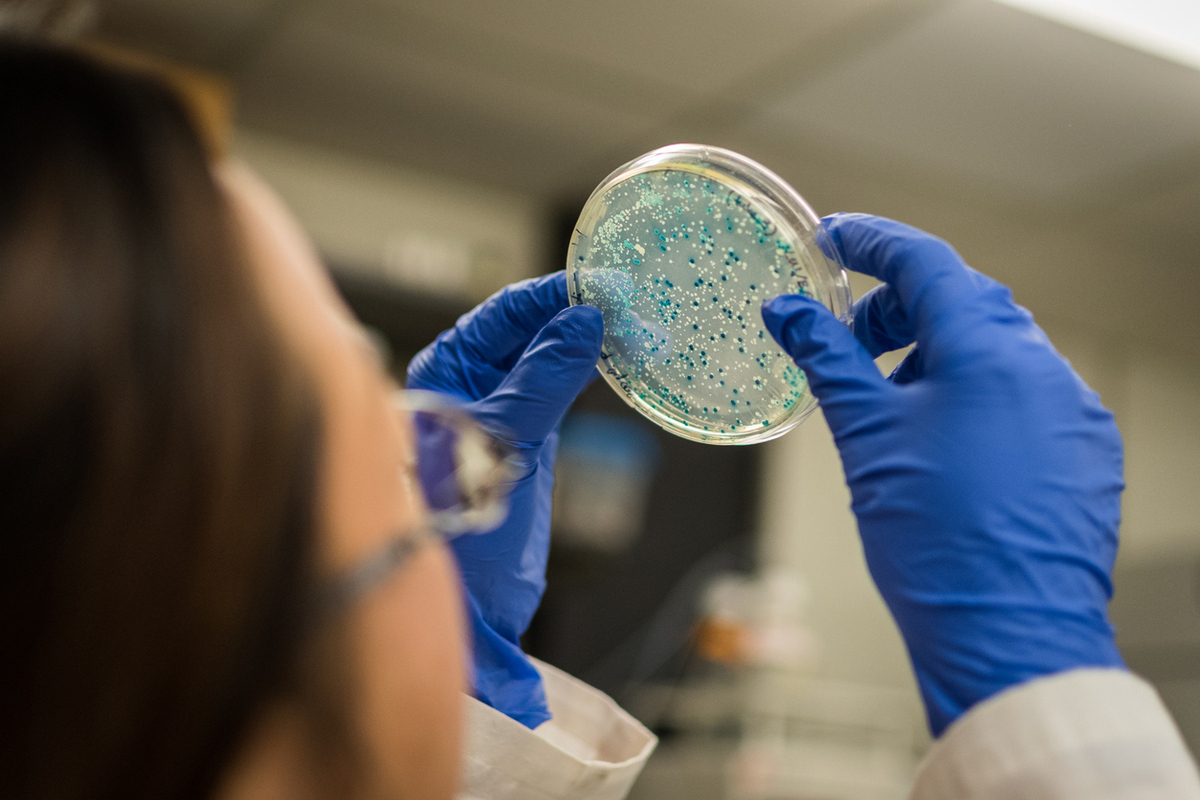
A team of bioengineers from Kobe University has developed a sustainable alternative to PET plastics by engineering E. coli bacteria to produce pyridinedicarboxylic acid (PDCA) from glucose. The researchers aimed to harness the cellular metabolism of E. coli to assimilate nitrogen and produce PDCA. This strategy enabled the team to achieve PDCA concentrations more than seven times higher than previously reported. The study overcame the long-standing challenges of yield and efficiency that have limited other bio-based plastic alternatives. The study also addressed a major hurdle in an enzyme bottleneck that produces damaging hydrogen peroxide, and set the stage for large-scale applications.
Engineered Bacteria Turn Plastic Waste into Vanilla Flavoring
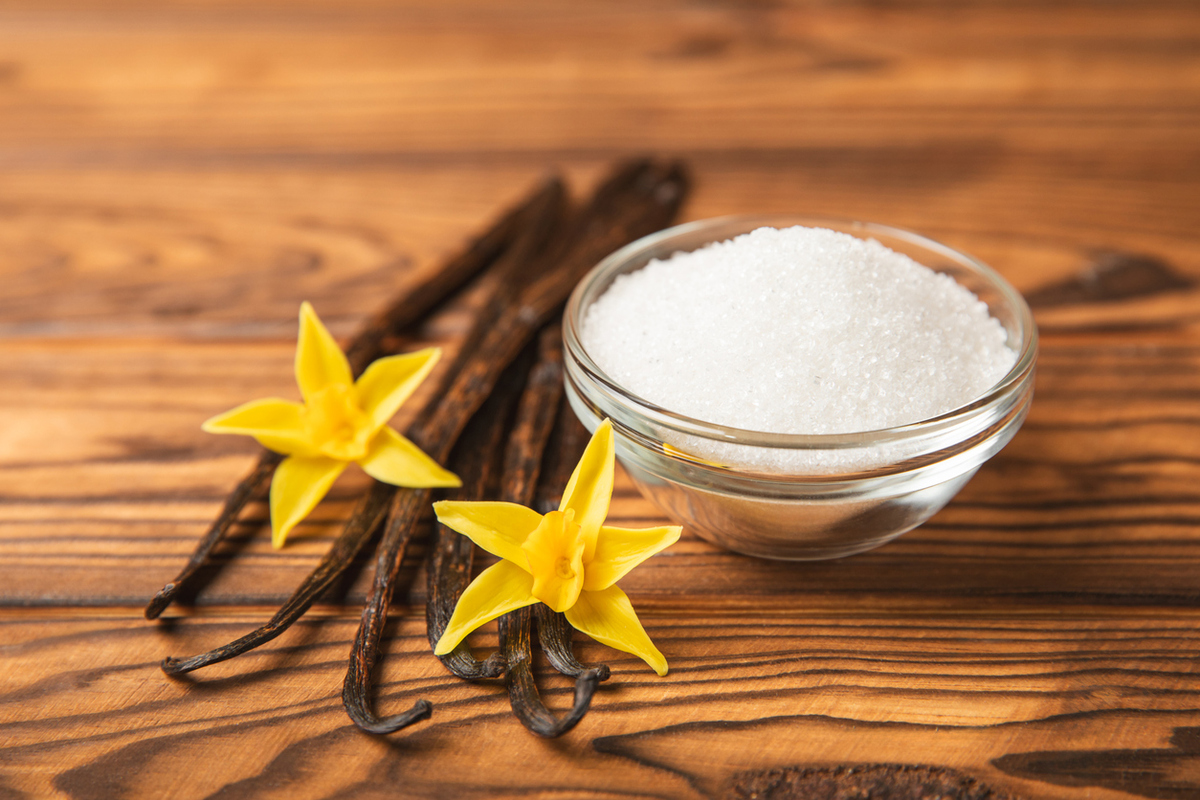
Scientists from the University of Edinburgh have developed a novel approach to combat plastic pollution by converting plastic waste into vanillin, the primary component responsible for vanilla's flavor and aroma. The research team genetically engineered the common laboratory bacterium Escherichia coli to convert terephthalic acid, a chemical obtained by breaking down PET, into vanillin through a series of biochemical reactions. The process was demonstrated by adding the engineered E. coli to the degraded plastic bottle and then transforming it into vanillin. The study sets the stage for further research and experimental tests needed to optimize vanillin production.
GM Bacteria to Break Down Plastics in Saltwater
Researchers from North Carolina State University have successfully engineered a marine microorganism that can break down PET, a highly recyclable plastic that is a major contributor to plastic pollution in the ocean. The researchers worked with two species of bacterium, Vibrio natriegens and Ideonella sakaiensis, in conducting the experiment. A sequence of DNA from I. sakaiensis that is responsible for the production of enzymes that can break down PET was taken and incorporated into a plasmid containing the I. sakaiensis genes. The plasmid is then introduced into the V. natriegens bacteria, a bacterium that thrives and reproduces quickly in saltwater. Results of the study show that the genetically engineered V. natriegens was able to break down PET in a saltwater setting. Tianyu Li, the first author of the paper, says that this is also the first genetically engineered organism to break down PET microplastics in saltwater.
For more information, visit the ISAAA website, subscribe to the Biotech Updates, or follow ISAAA on Facebook, Instagram, X, and LinkedIn.
| Newer Post | Archive | Older Post |
Science Speaks is ISAAA Inc.'s official blog. Weekly blog articles, authored by ISAAA writers, partners, and invited contributors, aim to help share, disseminate, and promote scientific knowledge and its vital role in achieving global agricultural sustainability and development. Your support to Science Speaks will help us achieve this goal. You can help us by donating as little as $10.