

Engineered Algae Captures Microplastics from Water
February 4, 2026| |
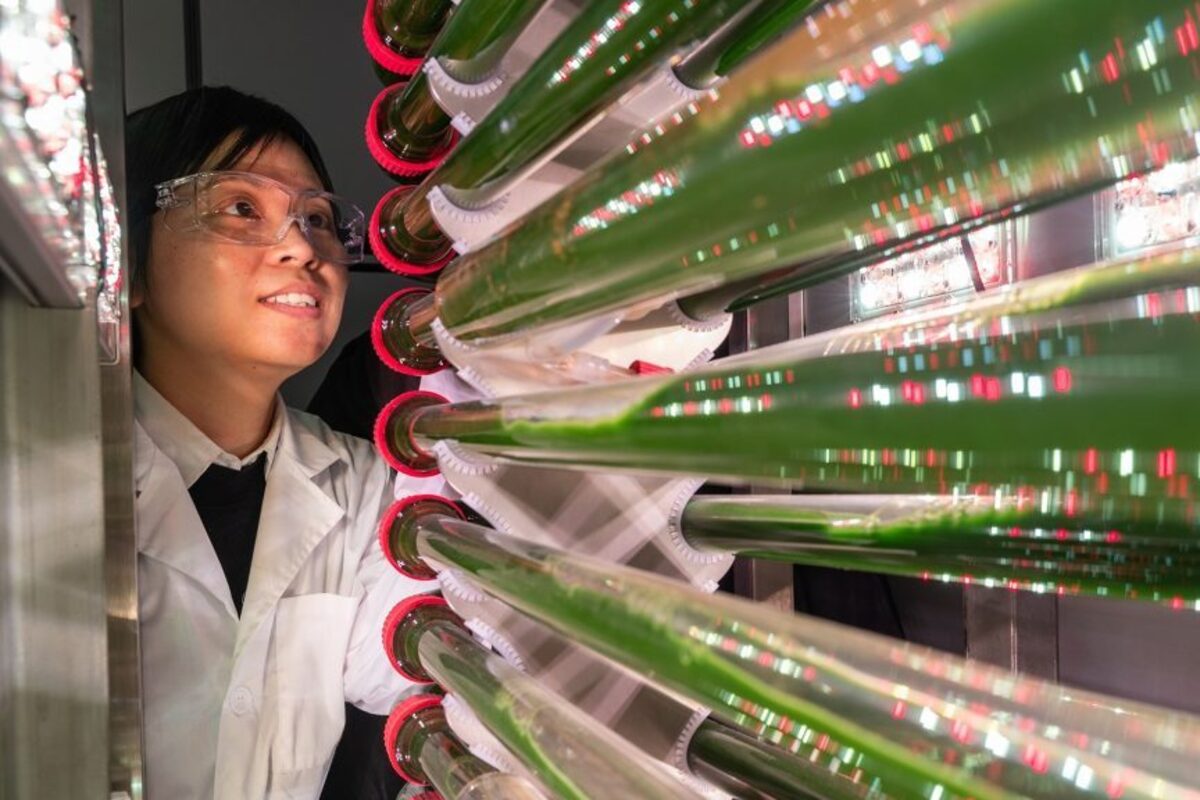
Prof. Susie Dai, a researcher in the Department of Chemical and Biomedical Engineering at the University of Missouri, has developed a genetically engineered algae that can remove microplastics from wastewater by turning them into a biomass that is easy to collect and remove. The study, published in Nature Communications, is a pioneering, innovative solution for removing pollutants from wastewater.
Prof. Dai used genetic engineering to create a lab-grown algae that produces limonene, a volatile natural oil that makes the new algae water-repellent. Because microplastics are also water-repellent, they stick to the algae when they come into contact, clumping together and sinking as a solid mass that can be easily collected. The engineered algae can grow in wastewater, where it also absorbs excess nutrients and helps clean the water as it grows.
“By removing the microplastics, cleaning the wastewater, and eventually using the removed microplastics to create bioplastic products for good, we can tackle three issues with one approach,” Prof. Dai said. While the research is still at an early stage, Prof. Dai hopes the process can eventually be integrated into existing wastewater treatment plants.
For more information, read the article from the University of Missouri.
| |
You might also like:
- GM Bacteria to Fight Ocean Pollution by Breaking Down Plastics in Saltwater
- University of Waterloo Researchers Turn to Biotechnology to Combat Plastic Pollution
- Kobe University Engineers Bacteria to Create Biodegradable Plastic Alternative
Biotech Updates is a weekly newsletter of ISAAA, a not-for-profit organization. It is distributed for free to over 22,000 subscribers worldwide to inform them about the key developments in biosciences, especially in biotechnology. Your support will help us in our mission to feed the world with knowledge. You can help by donating as little as $10.
-
See more articles:
-
Plant
- Gene Editing Enhances Oil Yield and Quality of Jatropha
- Gansu Agricultural University Researchers Modify Potato Gene to Boost Drought Tolerance
- EFSA Affirms Safety of GM Soybean GMB151 × DAS-44406-6
- SiZAT12 Knockout Improves Drought Tolerance in Foxtail Millet
- Europe's First Precision-Bred Oilseed Rape Moves to Commercial UK Farms
- USDA-APHIS Grants Non-Regulated Status to Two Gene-Edited Hemp Varieties
- Level Up Your Team's Biotech Updates Subscription
-
Environment
- Engineered Algae Captures Microplastics from Water
-
Read the latest: - Biotech Updates (September 16, 2026)
- Gene Editing Supplement (August 26, 2026)
- Gene Drive Supplement (February 22, 2023)
-
Subscribe to BU: - Share
- Tweet