

Study Finds Dicot Model System to Study Flooding Tolerance
May 20, 2026| |
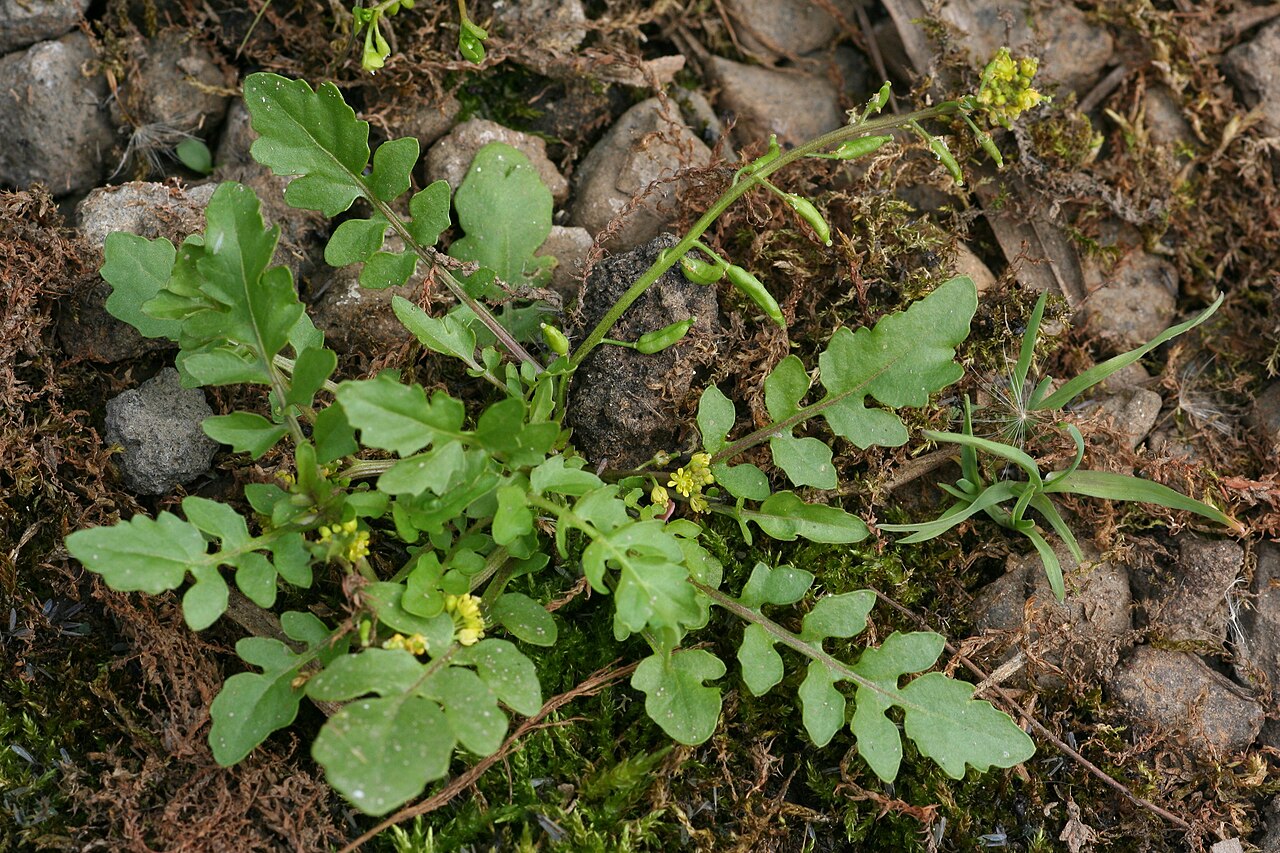
Most economically important crops cannot survive long periods of severe floods. Thus, researchers look to wild plant families with inherent submergence traits. However, most of these wild crops are difficult to study at a genetic level. Scientists at the University of Bayreuth, Germany, reported yellow marshcress (Rorippa islandica) as a breakthrough candidate because of its simple genetic structure and ability to survive submergence. Their findings are published in Plant Physiology.
The researchers investigated R. islandica's secret to survival by comparing its active gene during a flood to those of a relative plant that is sensitive to flooding. They were led to a gene called RiBCA3, which seemed to confer resilience to the wild plant. When this gene was turned off, the edited plants still survived the flood, indicating that the source of flood tolerance remains a mystery. However, the study revealed that yellow marshcress is indeed a good model for studying flood resistance in dicot crops such as broccoli, cabbage, and oilseed rape.
Read the research article in Plant Physiology.
| |
You might also like:
- Study Opens Door to Flood Resistant Crops
- International Team Discovers Signaling Molecule that Make Flood Resistant Plants
- Utrecht Biologists Discover A Way to Make Plants Flood Tolerant
Biotech Updates is a weekly newsletter of ISAAA, a not-for-profit organization. It is distributed for free to over 22,000 subscribers worldwide to inform them about the key developments in biosciences, especially in biotechnology. Your support will help us in our mission to feed the world with knowledge. You can help by donating as little as $10.
-
See more articles:
-
Plant
- Plant Biotechnology Associations Urge EU Parliament to Reject NGT Amendments
- Stanford University Bioengineers Speed Up Protein Testing to 24 Hours
- University of Florida Develops World’s First DNA-Guided CRISPR System
- Study Finds Dicot Model System to Study Flooding Tolerance
- Humboldt University Researchers Uncover Dynamic Genetic Secrets Behind Wheat Yields
- Survey in Iran Shows Growing Positive Attitudes Toward GM Crops
- Wageningen University & Research Launches Field Trials for Gene-Edited Potatoes
-
Animal
- Startup Uses Chicken Eggs as Bioreactors of Low-Cost Medicines
-
Read the latest: - Biotech Updates (September 16, 2026)
- Gene Editing Supplement (August 26, 2026)
- Gene Drive Supplement (February 22, 2023)
-
Subscribe to BU: - Share
- Tweet