

EFSA Proposes Streamlined Risk Assessment for Stacked GM Crops
July 15, 2026| |
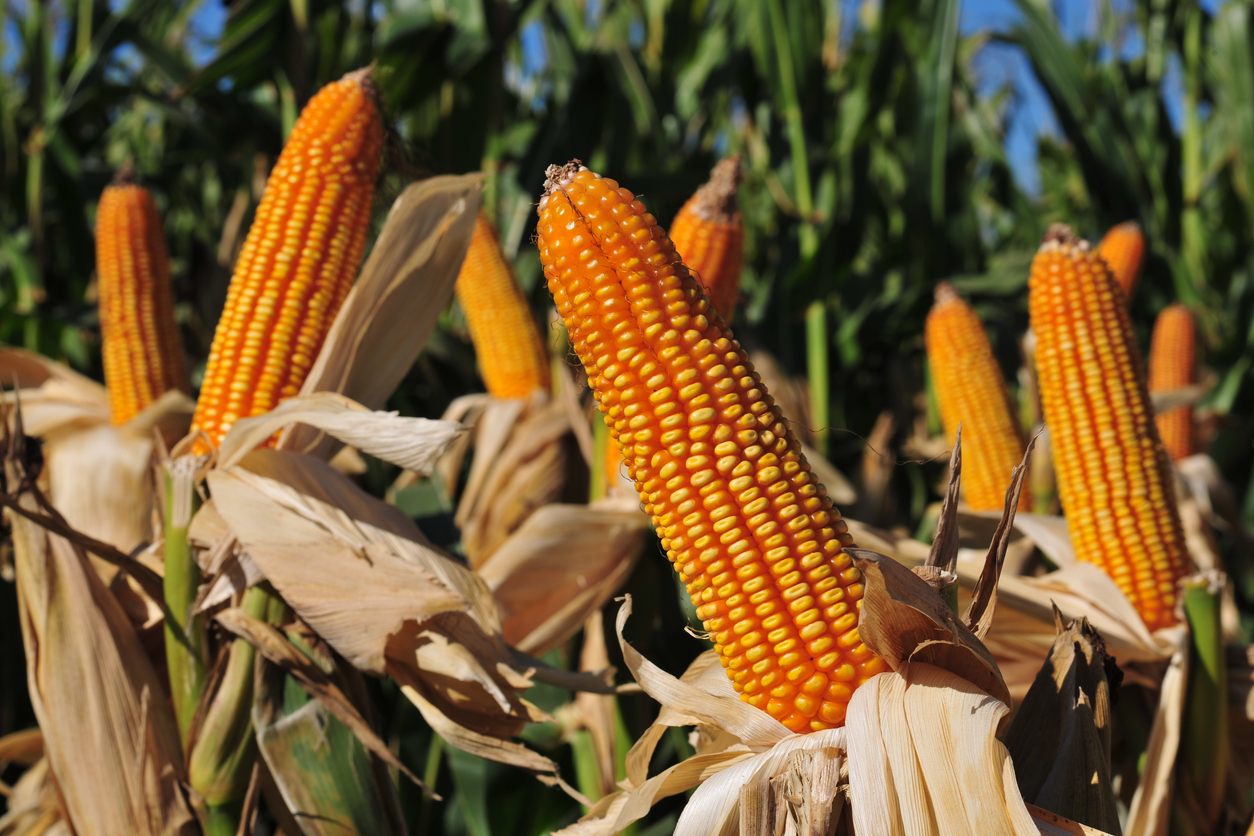
The European Food Safety Authority's (EFSA) Panel on Genetically Modified Organisms (GMO Panel) has released a new scientific opinion that could significantly streamline the approval process for certain genetically modified (GM) crops. Published in the EFSA Journal, the paper addresses the food and feed risk assessment of GM plants containing stacked transformation events, crops created by conventionally crossing multiple independently modified plant lines to combine traits like pest resistance and herbicide tolerance.
Drawing on 20 years of cumulative risk assessment experience, the GMO Panel's fresh guidance marks a pivotal shift in how the safety of these complex, combined-trait crops is evaluated in Europe. The headline conclusion from the EFSA GMO Panel is that expensive, time-consuming field trials for comparative analysis may no longer be universally required for assessing stacked GM crops. Instead, developers may be granted a derogation or exemption from these trials under highly specific criteria. To qualify, all combined genetic modifications in the stack must express their traits exclusively through newly expressed proteins (NEPs) that do not act as metabolic modifiers. This means that if the individual GM traits have already been proven safe on their own and do not interact to alter the plant's basic metabolism, repeating field trials for the stacked combination is deemed scientifically unnecessary.
Beyond field trials, the new framework proposes that applicants may also be exempt from certain dietary exposure assessments, provided there are no underlying genetic interactions that alter the expression levels of the newly introduced proteins. To support these updated pathways, the panel has also outlined improved standards for how biotechnology companies should present their molecular characterization data. By relaxing trial requirements where the science shows no cumulative risk, the EFSA aims to modernize and accelerate the regulatory pipeline for safe agricultural innovations while maintaining strict safety standards for European consumers and the environment.
For more details, read the scientific opinion in the EFSA Journal.
| |
You might also like:
- EFSA Confirms Safety of GM Oilseed Rape MS11
- EFSA Affirms Safety of GM Soybean GMB151 × DAS-44406-6
- EFSA GMO Panel Finds Herbicide Tolerant Soybean MON 94313 Safe
Biotech Updates is a weekly newsletter of ISAAA, a not-for-profit organization. It is distributed for free to over 22,000 subscribers worldwide to inform them about the key developments in biosciences, especially in biotechnology. Your support will help us in our mission to feed the world with knowledge. You can help by donating as little as $10.
-
See more articles:
-
Plant
- Gene Editing Improves Rice Resistance to Yellow Mottle Virus
- Experts Call for Stronger Farmer Education on Gene-Edited Crops
- Scientists Unlock Mung Bean Genetic Secrets in Breakthrough Global Study
- Join ASCA2026 in Malaysia
- High-Zinc Rice Achieves High Yield in Ilocos Norte Pilot in the Philippines
- EFSA Proposes Streamlined Risk Assessment for Stacked GM Crops
- Camp Helix Strengthens Interest in Agri-biotech Among SHS Learners and Teachers
-
Environment
- UN Releases SDG Progress Report
-
Read the latest: - Biotech Updates (July 15, 2026)
- Gene Editing Supplement (June 24, 2026)
- Gene Drive Supplement (February 22, 2023)
-
Subscribe to BU: - Share
- Tweet