

The Pirbright Institute Achieves World’s First Gene-Edited Biting Midges
July 22, 2026| |
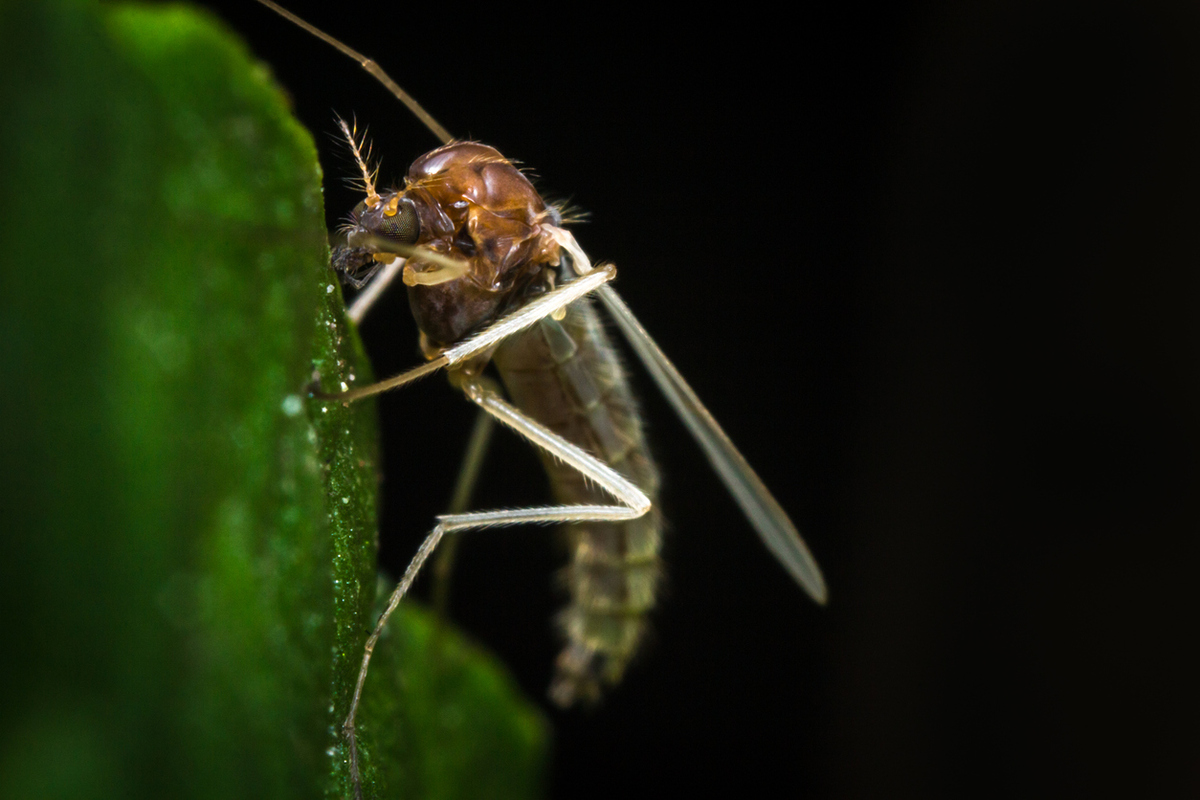
Scientists at The Pirbright Institute have achieved the world's first successful gene editing of Culicoides biting midges using CRISPR technology. The breakthrough provides a new tool for studying how these tiny insects spread livestock diseases such as bluetongue virus (BTV), Schmallenberg virus (SBV), and epizootic hemorrhagic disease virus (EHDV).
Biting midges measure only 1-4 millimeters long, making them difficult to study using conventional laboratory methods. The Pirbright Institute researchers used the DIPA-CRISPR method, which delivers CRISPR-Cas9 components through an injection into adult female insects. The technique successfully introduced mutations in a gene responsible for eye color, demonstrating that genome editing is feasible in Culicoides.
The researchers said the study establishes a practical gene editing method for biting midges and opens new possibilities to explore the genes involved in disease transmission. They believe the approach will accelerate research on vector biology and could eventually contribute to new strategies for controlling midge-borne diseases that affect livestock worldwide.
For more information, read the article from The Pirbright Institute.
| |
You might also like:
- KAMALA: The First Gene-edited Variety Ready for Cultivation in India
- Gene-Edited Animals: Enhancing Traits for the Future
- Updates on Global Regulatory Landscape for Gene-Edited Crops
Biotech Updates is a weekly newsletter of ISAAA, a not-for-profit organization. It is distributed for free to over 22,000 subscribers worldwide to inform them about the key developments in biosciences, especially in biotechnology. Your support will help us in our mission to feed the world with knowledge. You can help by donating as little as $10.
-
See more articles:
-
Plant
- University of Missouri Develops Rapid Detection Test for Rocky Mountain Spotted Fever
- Genome Editing Turns Red Perilla Green while Boosting Health Benefits Sixfold
- Tiny Gene Edit Cuts Toxic Cadmium in Rice by Half
-
Animal
- The Pirbright Institute Achieves World’s First Gene-Edited Biting Midges
-
Food
- South Korea Expands Mandatory Biotech Labeling Rules for Processed Foods
- UN Releases Global Report on the State of Food Security and Nutrition
- Researchers Urge Stronger Public Education to Improve GMO Acceptance in Malaysia
-
Environment
- Join ASCA2026 in Malaysia
-
Read the latest: - Biotech Updates (July 22, 2026)
- Gene Editing Supplement (June 24, 2026)
- Gene Drive Supplement (February 22, 2023)
-
Subscribe to BU: - Share
- Tweet