

Rice Gene Variant Provides Combined Protection Against Drought and Blast
August 26, 2026| |
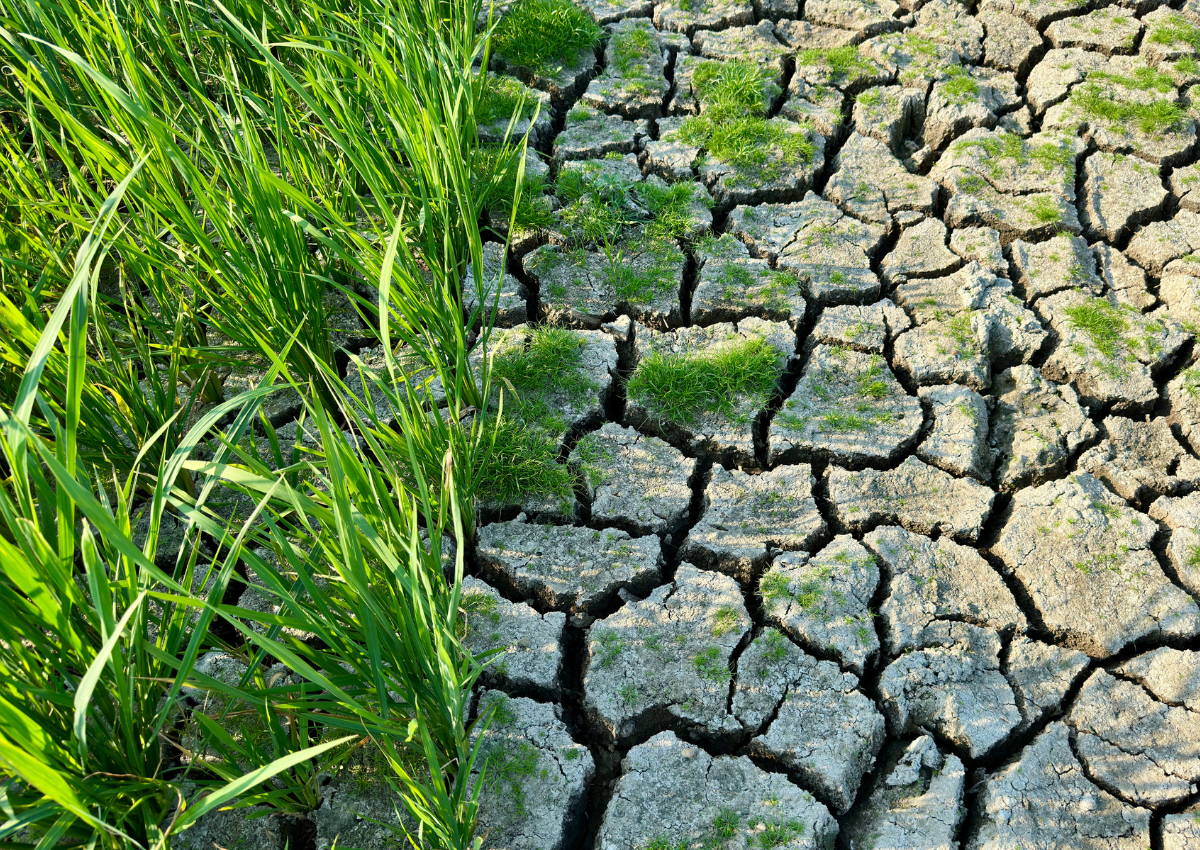
A team of researchers from Huazhong Agricultural University has identified a naturally occurring gene variant in rice that enhances both drought tolerance and resistance to blast disease (Magnaporthe oryzae). Plants often face trade-offs between responding to environmental stresses and defending themselves against pathogens. However, the NLR8-Hap2 variant was found to confer protection against both stresses without sacrificing yield under normal growing conditions. The finding provides a promising lead for developing rice varieties with improved resistance to multiple stresses.
Through a genome-wide association study (GWAS), a drought-resistance region on chromosome 8 was identified, and the variation was traced to NLR8-Hap2. A single-base deletion in the NLR8 gene was found to create an early stop signal, resulting in a shortened protein that lacks its C-terminal leucine-rich repeat (LRR) region. As a result, two important proteins, OsbHLH148 and OsBIHD1, were found to remain stable for a longer period of time. OsbHLH148 is involved in the plant's response to drought, while OsBIHD1 contributes to ethylene production and defense against blast disease. The NLR8-Hap2 variant therefore strengthens two separate pathways involved in protecting the plant from drought and disease.
Field trials showed that rice carrying NLR8-Hap2 demonstrated improved drought tolerance and blast resistance without detectable yield penalties under normal field conditions. As NLR8-Hap2 is found in 31% of indica rice accessions and only 1.65% of japonica accessions, there is potential to use marker-assisted selection and precision gene editing to introduce the gene variant to other rice varieties and explore similar approaches to develop crops with resistance to multiple stresses.
Read the full article in Nature Communications.
| |
Biotech Updates is a weekly newsletter of ISAAA, a not-for-profit organization. It is distributed for free to over 22,000 subscribers worldwide to inform them about the key developments in biosciences, especially in biotechnology. Your support will help us in our mission to feed the world with knowledge. You can help by donating as little as $10.
-
See more articles:
-
News from Around the World
- Webinar: Global Impact of Commercialized Biotech/GM Crops
-
Plant
- CRISPR Reveals Gene Linked to Tilapia Virus Resistance
- Researchers Develop AI Tool to Detect Tomato Diseases in the Field
- Scientists Identify Fungal Gene To Build Cold-Stress Tolerance in Crops
- Rice Gene Variant Provides Combined Protection Against Drought and Blast
- ISAAA Inc. Announces Panfilo de Guzman as New Deputy Director
- Australian OGTR Receives License Application for Commercial Release of Insect Resistant Cotton
- Last Chance to Register for ASCA2026 in Malaysia
-
Read the latest: - Biotech Updates (August 26, 2026)
- Gene Editing Supplement (August 26, 2026)
- Gene Drive Supplement (February 22, 2023)
-
Subscribe to BU: - Share
- Tweet