

Experts to Level-Up Insecticide Resistance of Crops with iJAZ
April 15, 2026| |
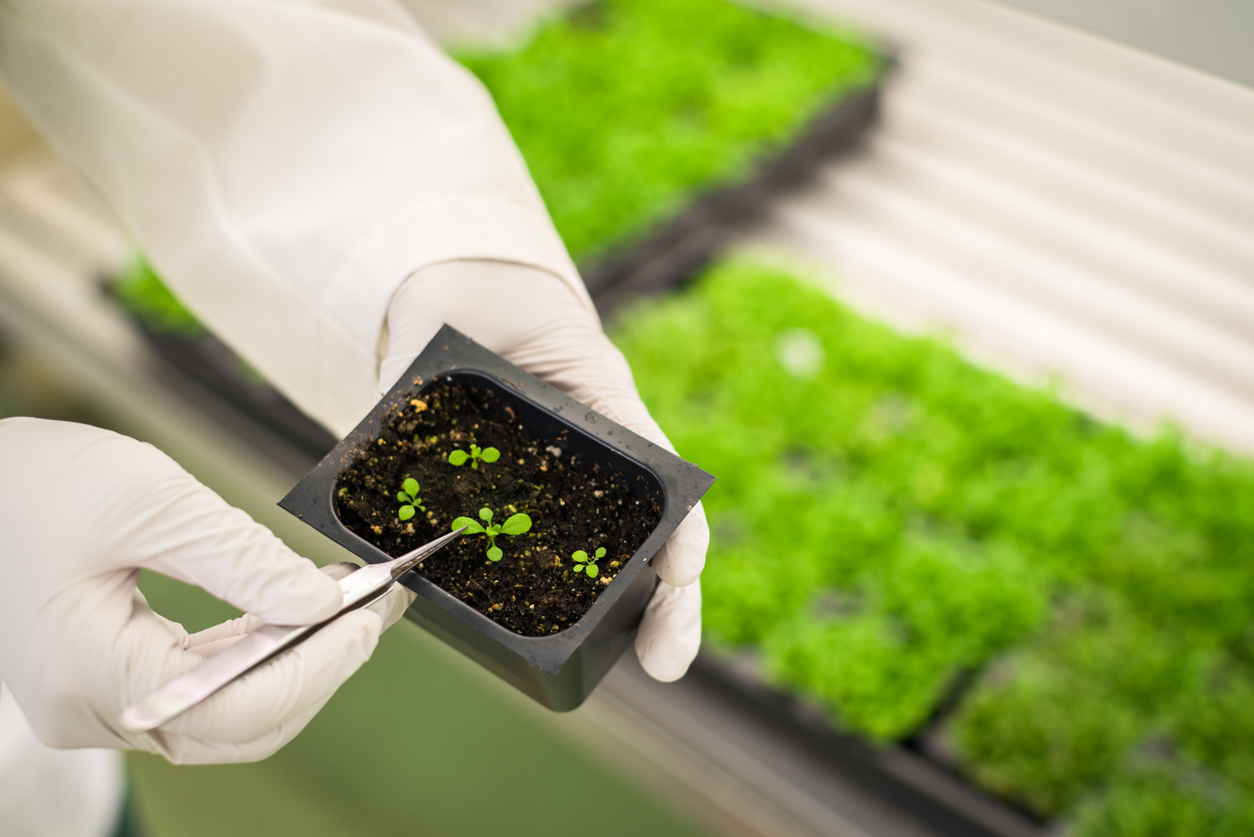
Researchers at the Institute of Cotton Research (ICR) of the Chinese Academy of Agricultural Sciences developed a new plant-derived insecticidal protein called iJAZ, which has now moved from laboratory to practical application.
iJAZ is a naturally occurring protein in cotton, pumpkin, durian, and other plants. It exhibits broad-spectrum insecticidal activity against specific pests and works differently from the Bacillus thuringiensis (Bt) insecticidal protein. iJAZ remains in stealth mode under normal conditions. When the targeted pests feed on the plant and cause damage, iJAZ recognizes and precisely binds to the unique receptors in the pests' guts, thereby activating its efficient insecticidal effect.
Studies have shown that iJAZ has a resistance rate of 99.33 percent against cotton bollworm larvae. It is also small, just about one-tenth the size of the Bt protein. Moreover, it can be used in combination with the Bt protein. Furthermore, ICR researchers also developed a new system with iJAZ that slashes the time needed to create insect-resistant crops from over half a year to just two months. This breakthrough works on any plant variety, allowing scientists to quickly equip high-quality commercial seeds with "built-in armor" against pests.
ICR signed a partnership agreement with Guangxi Tianyuan Biochemistry Co., Ltd. to develop insect resistance of major crops, including cotton, soybean, eucalyptus, and sugarcane, using iJAZ.
Read the original news article for more information.
| |
You might also like:
- Pocket K No. 6: Bt Insect Resistant Technology
- Two Insect-resistant Maize Events Reduce Fumonisin Pollution in China
- GM Approval Database: Insect Resistance
Biotech Updates is a weekly newsletter of ISAAA, a not-for-profit organization. It is distributed for free to over 22,000 subscribers worldwide to inform them about the key developments in biosciences, especially in biotechnology. Your support will help us in our mission to feed the world with knowledge. You can help by donating as little as $10.
-
See more articles:
-
Plant
- Japan and Brazil Grant Green Light to Non-browning Banana
- Scientists Use CRISPR to Reduce Histamine in Tomatoes
- EFSA Confirms Safety of GM Oilseed Rape MS11
- Researchers Discover Key Gene for Wild Rice Perennial Growth
- International Consortium Launches Global Initiative to Map Wheat at Single-Cell Resolution
- GM Maize Reduces Pest Damage and Boosts Yields in Northeast China
- Experts to Level-Up Insecticide Resistance of Crops with iJAZ
-
Animal
- Research Finds Genetically Modified Feed Safe for Livestock
-
Read the latest: - Biotech Updates (April 15, 2026)
- Gene Editing Supplement (March 25, 2026)
- Gene Drive Supplement (February 22, 2023)
-
Subscribe to BU: - Share
- Tweet