

First Gap-Free Peanut Genomes Reveal Genes for Bigger Seeds and Better Oils
April 29, 2026| |
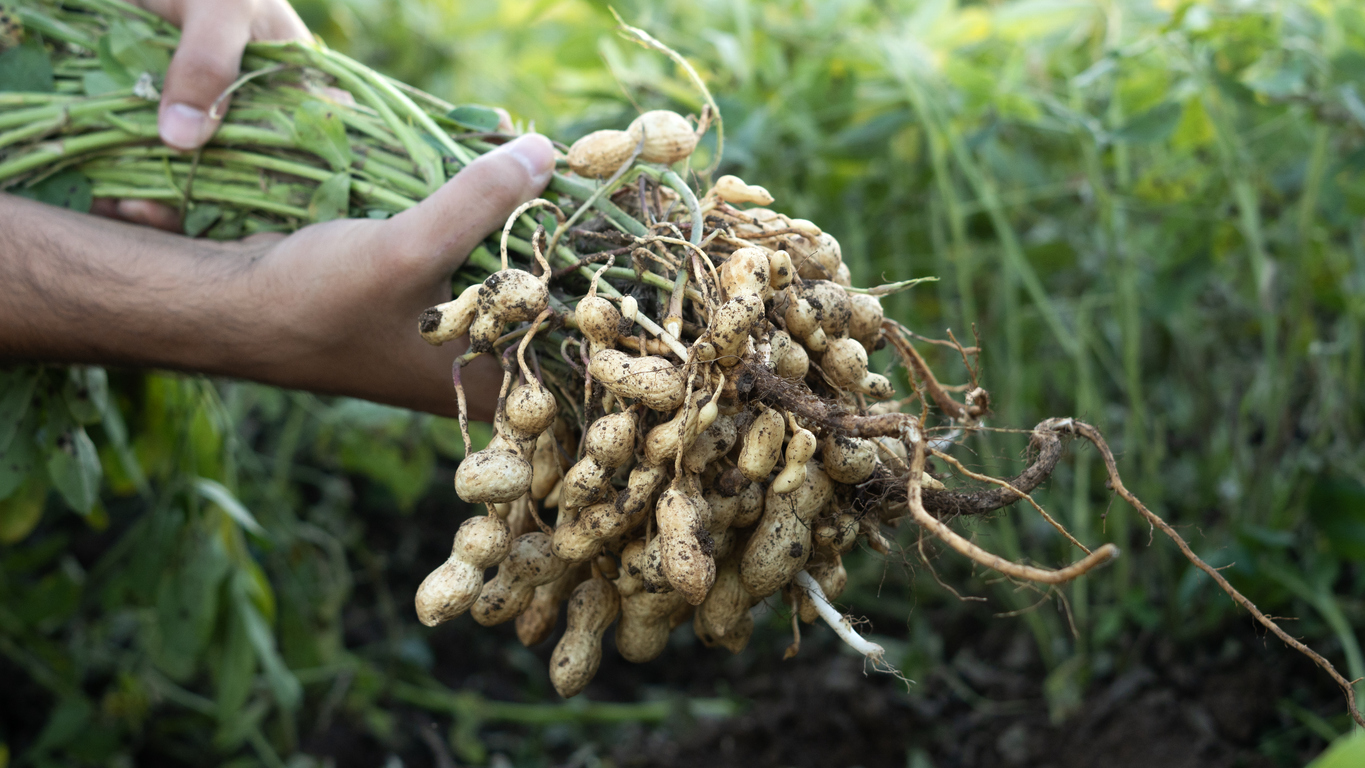
An international team of researchers, led by Murdoch University, has successfully sequenced the first complete, gap-free genomes of six peanut varieties, providing a definitive blueprint for agricultural improvement. Published in Nature Genetics, this telomere-to-telomere (T2T) assembly identifies two critical genes, AhWRI1, which can increase seed oil content from 48% to 54%, and AhGSA1, which is linked to a 70% increase in seed weight.
The study overcame the immense challenge of the peanut's complex genetic structure, which contains four sets of chromosomes and vast amounts of repetitive DNA that previously left significant dark regions in its sequence. By analyzing 521 peanut accessions from across the globe, the team discovered that the two subgenomes of the cultivated peanut have evolved asymmetrically, with one half undergoing much more structural change than the other. This finding explains why certain peanut varieties, such as var. hirsuta, possess unique traits like distinct plant architecture and lipid metabolism that are absent in other subspecies like var. hypogaea.
Beyond increasing crop value, these findings hold significant implications for global food security and sustainable farming. Peanuts are a vital source of protein and oil for hundreds of millions of people, particularly in developing regions, and their nitrogen-fixing capabilities make them essential for healthy crop rotations. Professor Rajeev Varshney, Director of the Centre for Crop and Food Innovation, noted that while a gap-free human genome was only achieved four years ago, reaching this milestone for the complex peanut genome provides a transformative toolkit for creating resilient crops that can better withstand environmental shocks.
For more details, read the article in Murdoch University News.
| |
You might also like:
- Brazilian Researchers Identify Wild Peanut Gene That Boosts Plant Immunity
- Clemson University Research Team Discover Genes that Could Help Peanuts Beat the Heat
- Pangenome Analysis Reveals Genetic Key to Larger Peanut Yields
Biotech Updates is a weekly newsletter of ISAAA, a not-for-profit organization. It is distributed for free to over 22,000 subscribers worldwide to inform them about the key developments in biosciences, especially in biotechnology. Your support will help us in our mission to feed the world with knowledge. You can help by donating as little as $10.
-
See more articles:
-
Plant
- Researchers Reveal How Plants Hit the Reset Button After Stress
- First Gap-Free Peanut Genomes Reveal Genes for Bigger Seeds and Better Oils
- GM Crops Show Potential to Reduce Hunger Amid Public Skepticism in India
- Vietnam Updates Regulatory Framework for Agricultural Biotechnology
-
Animal
- Researchers Develop Single-Dose Vaccine Against Newcastle Disease and H9N2 Avian Influenza
- University of Missouri Develops New Gene Editing Method for Chickens
-
Food
- UN SOFI: 673 Million People Experienced Hunger in 2024
-
Environment
- Study Shows Mitochondria Can Make New Organelles
-
Read the latest: - Biotech Updates (April 29, 2026)
- Gene Editing Supplement (April 29, 2026)
- Gene Drive Supplement (February 22, 2023)
-
Subscribe to BU: - Share
- Tweet