

Study Shows Mitochondria Can Make New Organelles
April 29, 2026| |
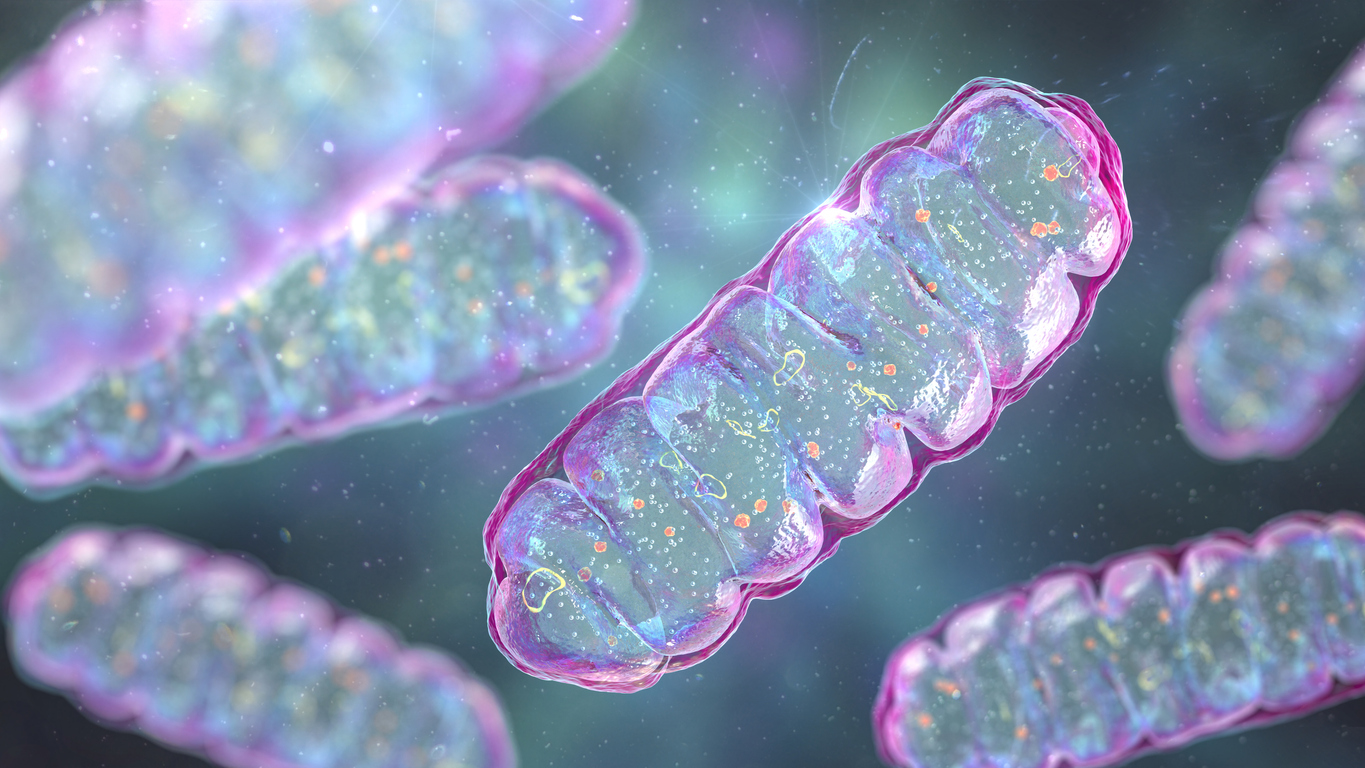
Scientists from the University of California, Los Angeles, have discovered that when a certain parasite, Toxoplasma gondii, infects a human cell, it hijacks the cell's mitochondria, the structures usually known as the cell's powerhouses. Instead of just producing energy, these mitochondria react by shedding their outer layers to create entirely new compartments called structures positive for outer mitochondrial membrane (SPOTs). These new structures actually help the parasite grow. While it is not yet fully understood how, researchers believe the parasite might be "feeding" off the waste material that these new compartments digest, effectively turning the cell's own machinery against itself to fuel the infection.
“What is so cool and surprising is the ability of a pathogen to completely, not only manipulate the mitochondria, but use the mitochondria to generate an entire new organelle in the cell, with such precision,” said Shaeri Mukherjee, a cell biologist and immunologist at the University of California, San Francisco.
This discovery is remarkable because it shows that mitochondria play a much more active role in the body's immune defense and cell organization than previously thought. By observing the parasite "pin" itself to the mitochondria and forcing them to build these new structures, scientists are gaining insight into how complex life might have evolved. If modern mitochondria can spawn new internal parts today, it supports the theory that their ancient ancestors did the same billions of years ago, helping to build the intricate internal world of the very first complex cells.
Read more from Nature.
| |
You might also like:
- Scientists Finally Record Successful Mitochondrial DNA Editing in Plants
- TALEDs Gene Editing Tool Alters Mitochondrial DNA for the First Time
- MitoTALENs Reveal Role of Mitochondrial Gene in Rice Pollen Development
Biotech Updates is a weekly newsletter of ISAAA, a not-for-profit organization. It is distributed for free to over 22,000 subscribers worldwide to inform them about the key developments in biosciences, especially in biotechnology. Your support will help us in our mission to feed the world with knowledge. You can help by donating as little as $10.
-
See more articles:
-
Plant
- Researchers Reveal How Plants Hit the Reset Button After Stress
- First Gap-Free Peanut Genomes Reveal Genes for Bigger Seeds and Better Oils
- GM Crops Show Potential to Reduce Hunger Amid Public Skepticism in India
- Vietnam Updates Regulatory Framework for Agricultural Biotechnology
-
Animal
- Researchers Develop Single-Dose Vaccine Against Newcastle Disease and H9N2 Avian Influenza
- University of Missouri Develops New Gene Editing Method for Chickens
-
Food
- UN SOFI: 673 Million People Experienced Hunger in 2024
-
Environment
- Study Shows Mitochondria Can Make New Organelles
-
Read the latest: - Biotech Updates (April 29, 2026)
- Gene Editing Supplement (April 29, 2026)
- Gene Drive Supplement (February 22, 2023)
-
Subscribe to BU: - Share
- Tweet