

High-yielding Bt Cotton Variety Withstands Biotic and Abiotic Stresses
June 3, 2026| |
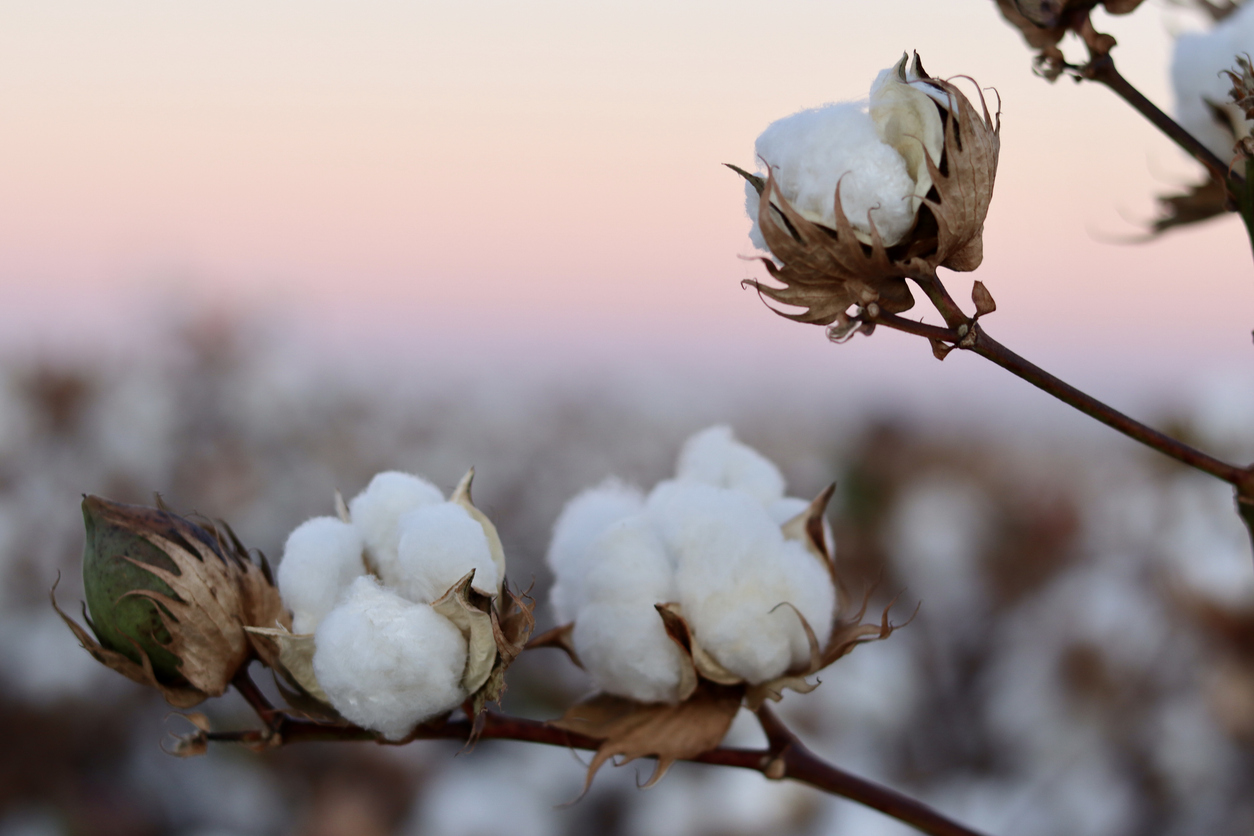
Cotton is an incredibly important crop for farmers in India's Central Zone, a region that relies heavily on rain. However, these farmers face tough challenges, including low crop yields, unpredictable rainfall, droughts, pests, and plant diseases. While older Bt cotton varieties helped control bollworm pests, farmers still need new cotton varieties that yield high and can withstand biotic and abiotic stresses.
To address this, a new type of Bt cotton, called NH 1901 Bt, was developed specifically for the rain-reliant regions of Maharashtra, Gujarat, and Madhya Pradesh. It was tested in multiple locations over three years (from 2020 to 2023). The results showed that the new variety performs significantly better than older released varieties in terms of yield, disease and pest protection, and fiber quality. NH 1901 Bt produced an average of 1,474 kg of cotton per hectare, which is about 17% more cotton than the standard local Bt cotton variety (Suraj Bt) and 21% more than a standard non-Bt cotton variety (NH 615). NH 1901 Bt also showed strong resistance to bacterial blight and Alternaria leaf spot, as well as great resistance to sap-sucking pests. The cotton fibers were also found to be strong, long, and thick, optimal for making medium-grade fabric.
Read more in Transgenic Research.
| |
You might also like:
- Ultra-Low Gossypol Cotton: Transforming Cottonseed into a Global Protein Source
- The Story of Bt Cotton in India
- Bt Cotton in India
Biotech Updates is a weekly newsletter of ISAAA, a not-for-profit organization. It is distributed for free to over 22,000 subscribers worldwide to inform them about the key developments in biosciences, especially in biotechnology. Your support will help us in our mission to feed the world with knowledge. You can help by donating as little as $10.
-
See more articles:
-
Plant
- Rothamsted Research Drills First Precision-Bred Crop in Historic Field Trial
- Wheat Gene Discovery Boosts Iron Accumulation for Better Nutrition
- Research Shows Drought-Stressed Canola, Tomatoes, and Rice Block Iron Uptake
-
Animal
- Study Finds Strong Public Support for GM Mosquitoes in Mali
-
Food
- Researchers Boost Cultivated Meat Cell Growth at Lower Cost
- FAO: Food Availability, Accessibility, Affordability, and Quality Necessary for Food Security
-
Environment
- High-yielding Bt Cotton Variety Withstands Biotic and Abiotic Stresses
- Study Reveals How Farmers’ Risk Preferences Drive Climate Adaptation Decisions
-
Read the latest: - Biotech Updates (September 23, 2026)
- Gene Editing Supplement (August 26, 2026)
- Gene Drive Supplement (February 22, 2023)
-
Subscribe to BU: - Share
- Tweet