

Clemson Scientists Discover Reduced-Allergen Peanut Lines
July 29, 2026| |
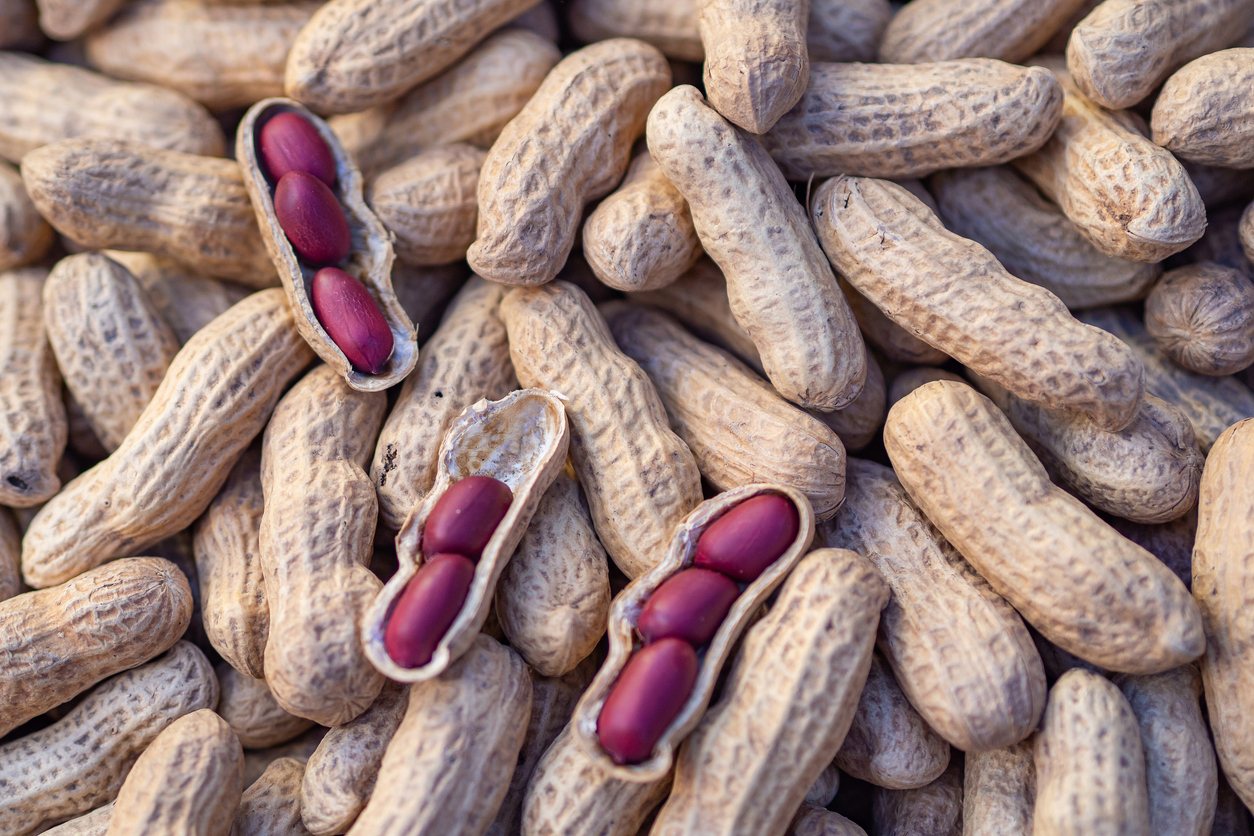
Scientists at Clemson University's Pee Dee Research and Education Center have identified key genetic regions that control production of the major allergenic proteins in peanuts. The discovery could help plant breeders develop peanut varieties that reduce the risk of accidental allergic exposure.
Peanuts contain several proteins that can trigger allergic reactions. Four of these proteins, Ara h1, Ara h2, Ara h3, and Ara h6, cause the most severe responses. Published in Functional & Integrative Genomics, the study analyzed 92 genetically diverse peanut lines and found significant differences in allergen levels. The team also identified chromosomal regions associated with allergen production
Led by molecular plant breeder Sachin Rustgi, the team's findings equip plant breeders with genetic markers to accelerate the development of safer peanut varieties without sacrificing yield or nutritional value. Researchers hope these future low-allergen peanut lines will lower the risk of severe accidental exposure, make oral immunotherapy more accessible, and give peace of mind to millions of families managing food allergies. Further testing is currently underway to confirm how the identified genes perform in real-world agricultural conditions and to ensure taste and crop resilience remain uncompromised.
For more details, read the article in Clemson News.
| |
You might also like:
- Researchers Work on Making Wheat and Peanuts Less Allergenic
- First Gap-Free Peanut Genomes Reveal Genes for Bigger Seeds and Better Oils
- Brazilian Researchers Identify Wild Peanut Gene That Boosts Plant Immunity
Biotech Updates is a weekly newsletter of ISAAA, a not-for-profit organization. It is distributed for free to over 22,000 subscribers worldwide to inform them about the key developments in biosciences, especially in biotechnology. Your support will help us in our mission to feed the world with knowledge. You can help by donating as little as $10.
-
See more articles:
-
Plant
- Researchers Identify Gene That Improves Soybean Cold Tolerance
- Genetic Trim Boosts Rice Yield by 25%
- Experts Propose Framework to Strengthen Insect Resistance Management for Bt Crops
- ASCA2026: Last Chance to Get Early Bird Discount
- Ugandan Farmers Show Strong Interest in Gene-Edited Cassava
-
Animal
- Researchers Dive Deep into Biophotons
-
Food
- Clemson Scientists Discover Reduced-Allergen Peanut Lines
- Study Reveals that Shifting to Healthier, More Sustainable Diets Would Reshape Global Agriculture by 2050
-
Read the latest: - Biotech Updates (July 29, 2026)
- Gene Editing Supplement (July 29, 2026)
- Gene Drive Supplement (February 22, 2023)
-
Subscribe to BU: - Share
- Tweet