

Genetic Trim Boosts Rice Yield by 25%
July 29, 2026| |
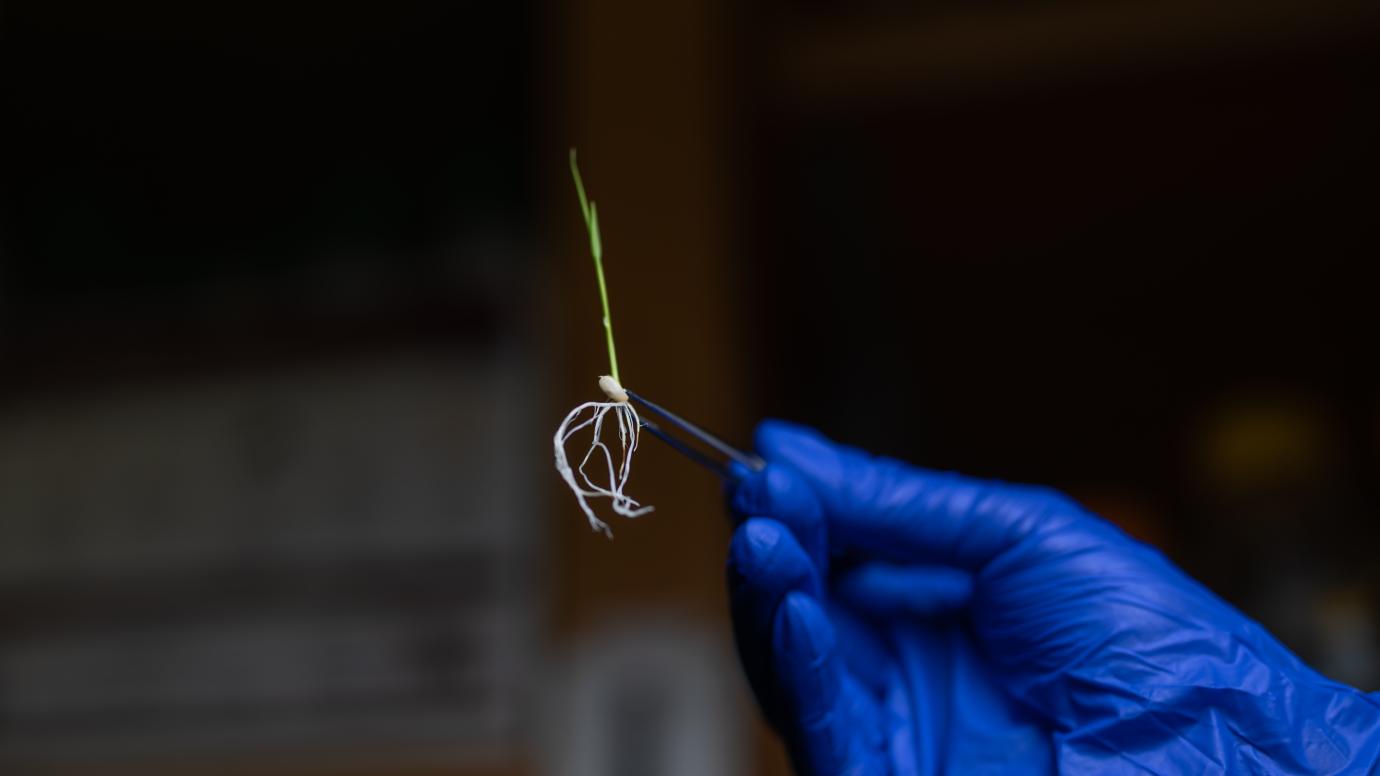
Scientists at the University of Chicago have revealed a groundbreaking genetic technique that boosts crop yields by up to 25% while improving resistance to drought and heat, all without inserting foreign DNA. The discovery, published in Nature Genetics, offers a promising pathway for strengthening global food security and developing resilient crops capable of withstanding the harsh impacts of climate change.
The research builds on a 2021 study where researchers achieved similar growth spurts using an animal gene. The team sought an approach that relied exclusively on a plant's native biology. Led by Professor Chuan He, the scientists focused on the plant proteins ALKBH9 and ALKBH10. They discovered that by trimming a flexible end segment known as an intrinsically disordered region from these proteins, they could effectively remove the biological brakes restricting plant growth, allowing the proteins to spread and alter gene expression to favor higher production and deeper root development.
Testing the modification in rice crops yielded remarkable results, producing significantly higher harvests while drastically boosting tolerance to heat, drought, and salt stress. Because the process requires trimming just a few base pairs of existing genetic code through targeted base editing rather than introducing transgenic material, it presents an attractive, consumer-friendly alternative to traditional GMOs. The research team is currently working to test this modification across various other crop species that possess these same core genes.
For more details, read the article in UChicago News.
| |
You might also like:
- Dual-Function Rice Gene Boosts Drought Tolerance and Grain Yield
- Experts Pinpoint Rice Proteins Vital in Drought Stress Tolerance and Yield
- CRISPR Rice Exhibits Improved Photosynthesis Under Drought Stress
Biotech Updates is a weekly newsletter of ISAAA, a not-for-profit organization. It is distributed for free to over 22,000 subscribers worldwide to inform them about the key developments in biosciences, especially in biotechnology. Your support will help us in our mission to feed the world with knowledge. You can help by donating as little as $10.
-
See more articles:
-
Plant
- Researchers Identify Gene That Improves Soybean Cold Tolerance
- Genetic Trim Boosts Rice Yield by 25%
- Experts Propose Framework to Strengthen Insect Resistance Management for Bt Crops
- ASCA2026: Last Chance to Get Early Bird Discount
- Ugandan Farmers Show Strong Interest in Gene-Edited Cassava
-
Animal
- Researchers Dive Deep into Biophotons
-
Food
- Clemson Scientists Discover Reduced-Allergen Peanut Lines
- Study Reveals that Shifting to Healthier, More Sustainable Diets Would Reshape Global Agriculture by 2050
-
Read the latest: - Biotech Updates (July 29, 2026)
- Gene Editing Supplement (July 29, 2026)
- Gene Drive Supplement (February 22, 2023)
-
Subscribe to BU: - Share
- Tweet