

Global Crop Models Underestimate Rice Yield Losses from Extreme Heat, Study Finds
August 5, 2026| |
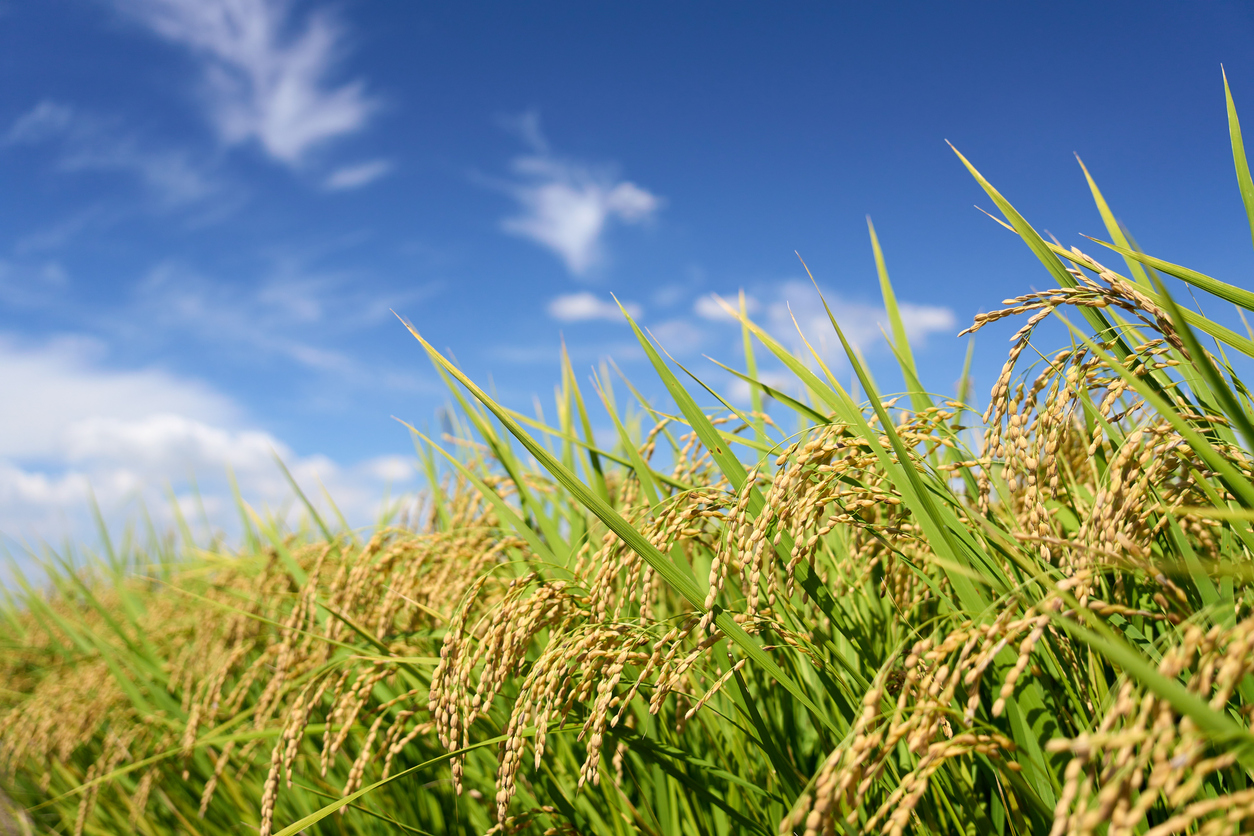
Current global climate models significantly underestimate the impact of extreme heat on global rice production, according to a new study published in Science Advances. Led by the Helmholtz Centre for Environmental Research alongside the Potsdam Institute for Climate Impact Research (PIK), researchers compared data from 214 field-warming experiments against seven leading crop models. They discovered that real-world rice yield reductions caused by a 1°C increase in global mean temperature were more than double previous model projections, falling by 8.1% in observed field experiments compared to the 3.8% estimated by standard models.
The primary reason for this discrepancy is that existing crop models fail to adequately account for heat damage during the critical reproductive stage of the rice plant. At temperatures exceeding 30°C, exposure to extreme heat during panicle and grain development causes severe damage, accounting for more than half of the total yield losses at over 70% of the observed sites. Researchers noted that while current models capture gradual shifts in average seasonal temperatures, they overlook acute daily heat spikes when the crop is most vulnerable.
The findings carry major implications for global food security, particularly across South and Southeast Asia, where rice serves as a primary staple. Revised estimates show potential yield losses rising from 2.1% to 6.6% in countries like India, Pakistan, and Bangladesh, and from 3.7% to 7.7% in Thailand, the Philippines, and Myanmar. To mitigate these risks, the study's authors emphasize the urgent need for targeted adaptation strategies, including the breeding of heat-tolerant rice varieties, adjusting planting schedules, and optimizing irrigation practices.
For more details, read the article in the PIK website.
| |
You might also like:
- Experts Recommend Climate-adaptive Breeding Pipeline for Rice
- Gene-edited Japonica Rice Shows Improved Grain Size and Heat Resilience
- Gene Editing Rice to Withstand High Nighttime Temperature
Biotech Updates is a weekly newsletter of ISAAA, a not-for-profit organization. It is distributed for free to over 22,000 subscribers worldwide to inform them about the key developments in biosciences, especially in biotechnology. Your support will help us in our mission to feed the world with knowledge. You can help by donating as little as $10.
-
See more articles:
-
Plant
- Be Part of ASCA2026 in Malaysia
- Engineered Oil Sorghum Shows Promise as Biofuel Feedstock
- Report Highlights Asia and Oceania Agricultural Biotech Adoption in 2024
- Biotech for Reel: Reel-Making Competition on Agri-Biotech Applications
- EFSA Releases Assessment of GM RF3 Canola Quality Brassica juncea
- Economic and Social Factors Hinder GM Crop Adoption in South Africa
-
Food
- Genetic Switch Discovery Could Shave Years Off Avocado Breeding
-
Environment
- Global Crop Models Underestimate Rice Yield Losses from Extreme Heat, Study Finds
-
Read the latest: - Biotech Updates (August 5, 2026)
- Gene Editing Supplement (July 29, 2026)
- Gene Drive Supplement (February 22, 2023)
-
Subscribe to BU: - Share
- Tweet