

Emotion and Reason Drive Farmers' GM Maize Adoption Decisions
September 23, 2026| |
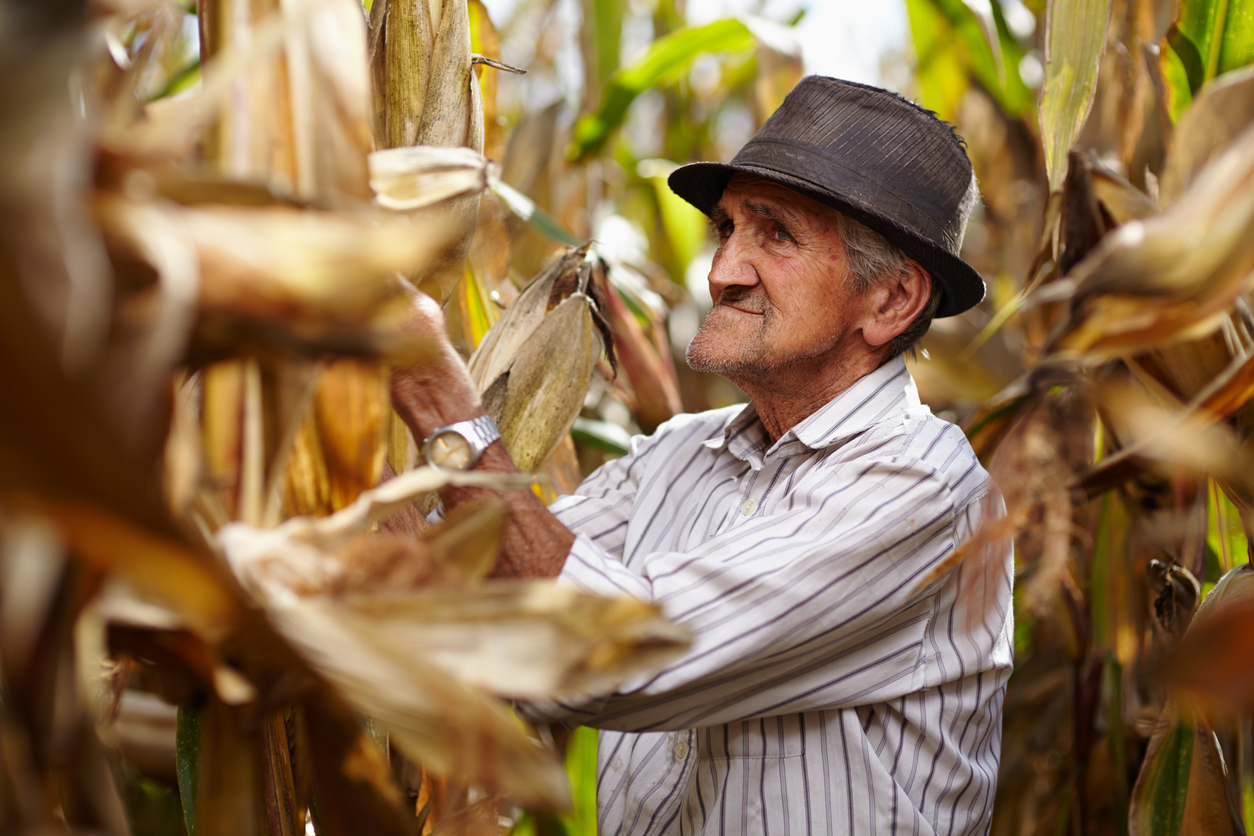
A study of 468 smallholder farmers in genetically modified (GM) maize pilot areas in Yunnan Province, China, examined how rational and emotional factors influence farmers' willingness to adopt GM maize. Using dual-process theory, the researchers explored how farmers' understanding of the crop's benefits, risk perceptions, and cultivation experience interact when making adoption decisions.
The study defined rational cognition as farmers' understanding of potential agronomic benefits, including higher yields and reduced pesticide use. Emotional cognition covered farmers' risk perceptions and affective responses toward GM technology. The researchers found that these two cognitive systems worked in opposing ways. Cultivation experience was also examined as a factor that could change the influence of rational and emotional cognition on farmers' decisions.
The results showed that rational cognition significantly increased farmers' willingness to adopt GM maize, while emotional cognition substantially reduced it. When emotional concerns were stronger, they weakened the positive effect of farmers' understanding of GM maize benefits. However, cultivation experience strengthened the influence of rational cognition and reduced the negative effect of emotional cognition. The researchers recommended combining science communication with peer demonstrations for farmers without pilot experience, while providing targeted technical guidance to those already involved in GM maize cultivation.
For more information, read the abstract from the Journal of the Science of Food and Agriculture.
| |
You might also like:
- CAAS Researchers Examine Factors Affecting GM Maize Adoption in China
- Nigerian Daily Newspapers Shape Discussions on GM Maize
- Pocket K No. 49: Adoption and Uptake Pathways of Biotech Crops by Small-scale Farmers in China, India, and the Philippines
Biotech Updates is a weekly newsletter of ISAAA, a not-for-profit organization. It is distributed for free to over 22,000 subscribers worldwide to inform them about the key developments in biosciences, especially in biotechnology. Your support will help us in our mission to feed the world with knowledge. You can help by donating as little as $10.
-
See more articles:
-
News from Around the World
- ISAAA Engages Public with Forum and Exhibit at National Biotechnology Week 2026
-
Plant
- EU Authorizes Two GM Soybeans and Renews GM Maize for Food and Animal Feed Use
- Scientists Engineer Bt Biopesticide to Withstand Extreme Heat
- Scientists Identify Key Vacuolar Protein in Soybean Nematode Defense
- GM Crop Adoption Reduced Carbon Footprint, Report Shows
- Advanced Rice Breeding Delivers Up to 82% Higher Yields Under Drought Conditions
- Emotion and Reason Drive Farmers' GM Maize Adoption Decisions
- Updated Infographics on the Contributions of Biotech Crops to Food Security, Sustainability, and Climate Change Solutions Now Available
-
Read the latest: - Biotech Updates (September 23, 2026)
- Gene Editing Supplement (August 26, 2026)
- Gene Drive Supplement (February 22, 2023)
-
Subscribe to BU: - Share
- Tweet