

Scientists Identify Key Vacuolar Protein in Soybean Nematode Defense
September 23, 2026| |
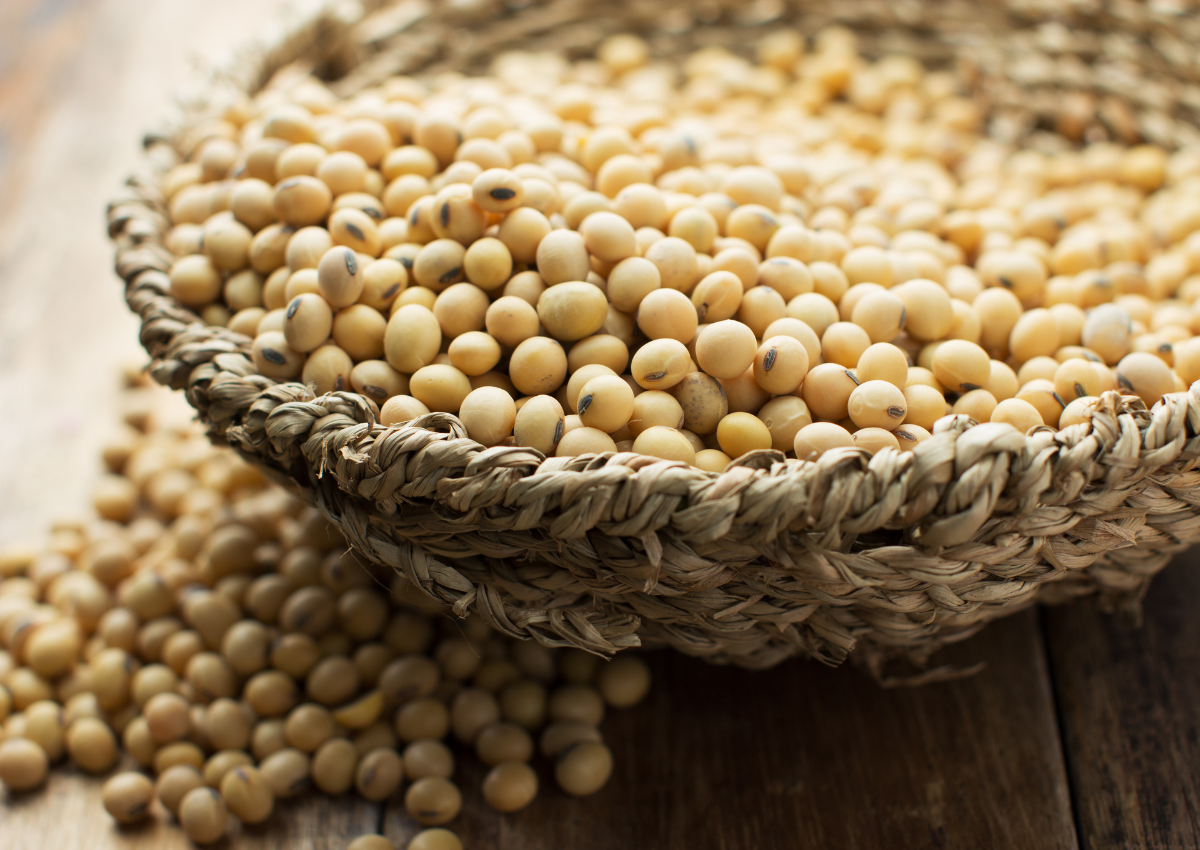
Researchers from the University of Wisconsin-Madison have identified the subcellular localization and functional role of AATRhg1, a protein encoded by the soybean gene Rhg1-GmAAT. Using confocal microscopy and genetic characterization, the team demonstrated that AATRhg1 functions at the tonoplast, providing insights into how it contributes to soybean resistance against the economically important soybean cyst nematode.
To better understand how AATRhg1 helps protect soybean plants, soybean lines with silenced or mutated versions of Rhg1-GmAAT were analyzed. Overexpression of Rhg1-GmAAT alone did not increase resistance, suggesting that AATRhg1 works together with other proteins. In contrast, soybean plants became more susceptible to certain nematode populations when Rhg1-GmAAT was silenced. Further analysis showed that AATRhg1 helps regulate amino acid levels in plant cells. Silencing Rhg1-GmAAT led to higher levels of free amino acids such as leucine, isoleucine, and tyrosine, while the expression of genes involved in plant defense responses, including MAPK signaling and ethylene-associated responses, was reduced.
Defining the subcellular localization and metabolic functions of AATRhg1 provides important insights into the mechanisms underlying Rhg1-mediated resistance and could help in the development of multi-gene resistance strategies to improve soybean protection against soybean cyst nematode.
To learn more, read the full study in Plant Physiology.
| |
Biotech Updates is a weekly newsletter of ISAAA, a not-for-profit organization. It is distributed for free to over 22,000 subscribers worldwide to inform them about the key developments in biosciences, especially in biotechnology. Your support will help us in our mission to feed the world with knowledge. You can help by donating as little as $10.
-
See more articles:
-
News from Around the World
- ISAAA Engages Public with Forum and Exhibit at National Biotechnology Week 2026
-
Plant
- EU Authorizes Two GM Soybeans and Renews GM Maize for Food and Animal Feed Use
- Scientists Engineer Bt Biopesticide to Withstand Extreme Heat
- Scientists Identify Key Vacuolar Protein in Soybean Nematode Defense
- GM Crop Adoption Reduced Carbon Footprint, Report Shows
- Advanced Rice Breeding Delivers Up to 82% Higher Yields Under Drought Conditions
- Emotion and Reason Drive Farmers' GM Maize Adoption Decisions
- Updated Infographics on the Contributions of Biotech Crops to Food Security, Sustainability, and Climate Change Solutions Now Available
-
Read the latest: - Biotech Updates (September 23, 2026)
- Gene Editing Supplement (August 26, 2026)
- Gene Drive Supplement (February 22, 2023)
-
Subscribe to BU: - Share
- Tweet