

Dual-Function Rice Gene Boosts Drought Tolerance and Grain Yield
July 1, 2026| |
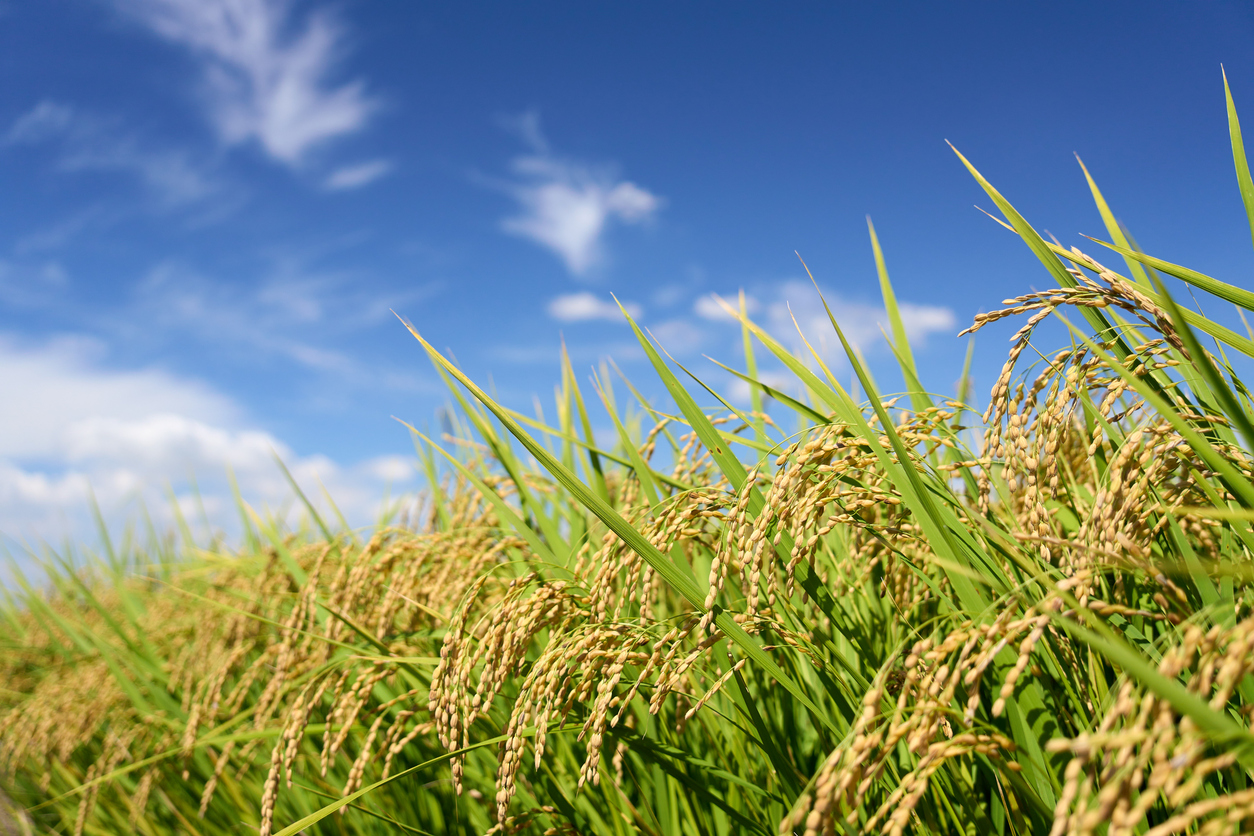
Researchers at Chonnam National University have discovered a dual-function rice gene that boosts drought tolerance and crop productivity, offering a promising breakthrough for global food security. A team led by Professor Geupil Jang identified the gene, OsFeSOD3, which protects rice plants from environmental stress while actively supporting chloroplast development and photosynthesis. The findings were published in the Plant Biotechnology Journal.
The gene encodes a specific enzyme in chloroplasts that detoxifies reactive oxygen species (ROS), harmful molecules that accumulate during droughts and cause cellular damage. Interestingly, the researchers found that drought damage actually originates in the chloroplasts before spreading to the rest of the cell. By ramping up the expression of OsFeSOD3, the team successfully minimized this localized stress and uncovered a secondary, unexpected benefit: the gene directly aids in chloroplast gene expression, ensuring the plant continues to photosynthesize and grow even under harsh conditions.
To test the real-world viability of the discovery, the university team conducted field trials over two consecutive growing seasons. The genetically engineered rice plants produced grain yields 33% to 42% higher under drought conditions than standard wild rice, largely due to a higher number of fully formed grains. Conversely, plants stripped of the gene via CRISPR-Cas9 technology suffered severe developmental defects and growth arrest, underscoring the gene's critical role in climate-resilient crop engineering.
For more details, read the news article from Chonnam National University.
| |
You might also like:
- CRISPR Rice Exhibits Improved Photosynthesis Under Drought Stress
- IRRI Scientists Identify Rice Gene Variant that Boosts Yield Under Drought
- Experts Pinpoint Rice Proteins Vital in Drought Stress Tolerance and Yield
Biotech Updates is a weekly newsletter of ISAAA, a not-for-profit organization. It is distributed for free to over 22,000 subscribers worldwide to inform them about the key developments in biosciences, especially in biotechnology. Your support will help us in our mission to feed the world with knowledge. You can help by donating as little as $10.
-
See more articles:
-
Plant
- CRISPR Reveals Genetic Pathway for Waterlogging Tolerance in Cucumber
- Dual-Function Rice Gene Boosts Drought Tolerance and Grain Yield
- Cisgenic Gala Apples Provide Resistance Against Apple Scab and Fire Blight
- Study Reveals Role of Cotton Gene in Growth and Resilience
- Culture, Media, and Trust Shape GMO Acceptance in Nigeria
-
Environment
- New Study Finds Global Rice Cultivation Emissions Have Doubled in 60 Years
- ASCA2026: Early Bird Registration Now Open
- Study Says Climate Change Threatens World's Staple Crops
-
Read the latest: - Biotech Updates (July 1, 2026)
- Gene Editing Supplement (June 24, 2026)
- Gene Drive Supplement (February 22, 2023)
-
Subscribe to BU: - Share
- Tweet