

CRISPR Reveals Genetic Pathway for Waterlogging Tolerance in Cucumber
July 1, 2026| |
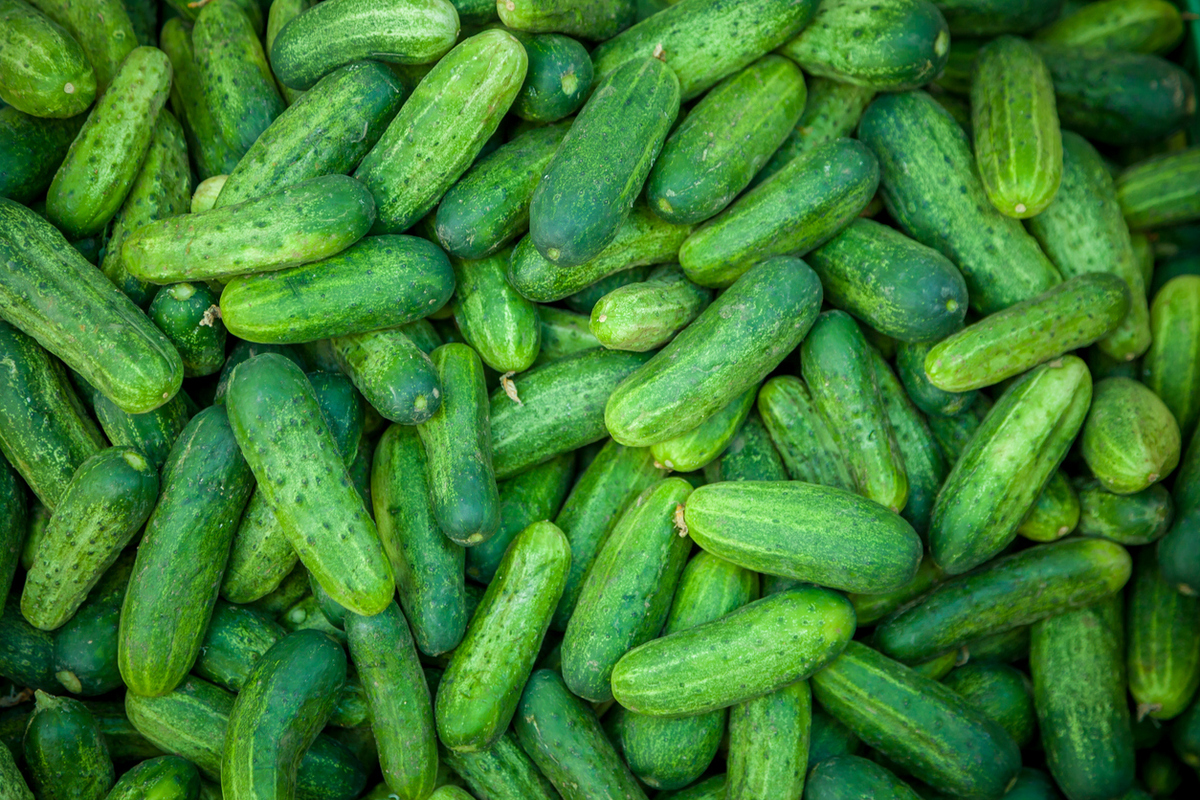
Researchers have identified a gene regulatory network that enables cucumber plants to better tolerate waterlogging by promoting the growth of adventitious roots, which help plants absorb oxygen under flooded conditions. The study found that the transcription factor CsWRKY41 plays a central role in this process by linking ethylene and abscisic acid (ABA) signaling.
The researchers developed CRISPR-Cas9-edited cucumber plants lacking the CsWRKY41 gene, as well as plants that overexpressed it. The results showed that disabling CsWRKY41 significantly reduced adventitious root formation, while increasing its expression enhanced root development. Further analyses revealed that CsWRKY41 regulates the ABA-related genes CsPYL4 and CsPP2C24, which work together to control stress responses.
The findings showed that CsPYL4 also increased the activity of the CsPrx2 gene and promoted hydrogen peroxide accumulation, both of which supported adventitious root growth. The researchers said the newly identified CsWRKY41-CsPYL4-CsPP2C24 pathway could serve as a promising target for breeding cucumber varieties with improved tolerance to waterlogging stress.
For more information, read the abstract from Plant Physiology.
| |
You might also like:
- Pangenome Reveals Secrets to Breeding Better Cucumbers
- Chinese Researchers Pinpoint Protein that Regulates Cucumber Leaf Size and Fruiting Ability
- Researchers Pinpoint Gene that Could Help Cucumbers Survive Climate Change
Biotech Updates is a weekly newsletter of ISAAA, a not-for-profit organization. It is distributed for free to over 22,000 subscribers worldwide to inform them about the key developments in biosciences, especially in biotechnology. Your support will help us in our mission to feed the world with knowledge. You can help by donating as little as $10.
-
See more articles:
-
Plant
- CRISPR Reveals Genetic Pathway for Waterlogging Tolerance in Cucumber
- Dual-Function Rice Gene Boosts Drought Tolerance and Grain Yield
- Cisgenic Gala Apples Provide Resistance Against Apple Scab and Fire Blight
- Study Reveals Role of Cotton Gene in Growth and Resilience
- Culture, Media, and Trust Shape GMO Acceptance in Nigeria
-
Environment
- New Study Finds Global Rice Cultivation Emissions Have Doubled in 60 Years
- ASCA2026: Early Bird Registration Now Open
- Study Says Climate Change Threatens World's Staple Crops
-
Read the latest: - Biotech Updates (July 1, 2026)
- Gene Editing Supplement (June 24, 2026)
- Gene Drive Supplement (February 22, 2023)
-
Subscribe to BU: - Share
- Tweet