

New Study Finds Global Rice Cultivation Emissions Have Doubled in 60 Years
July 1, 2026| |
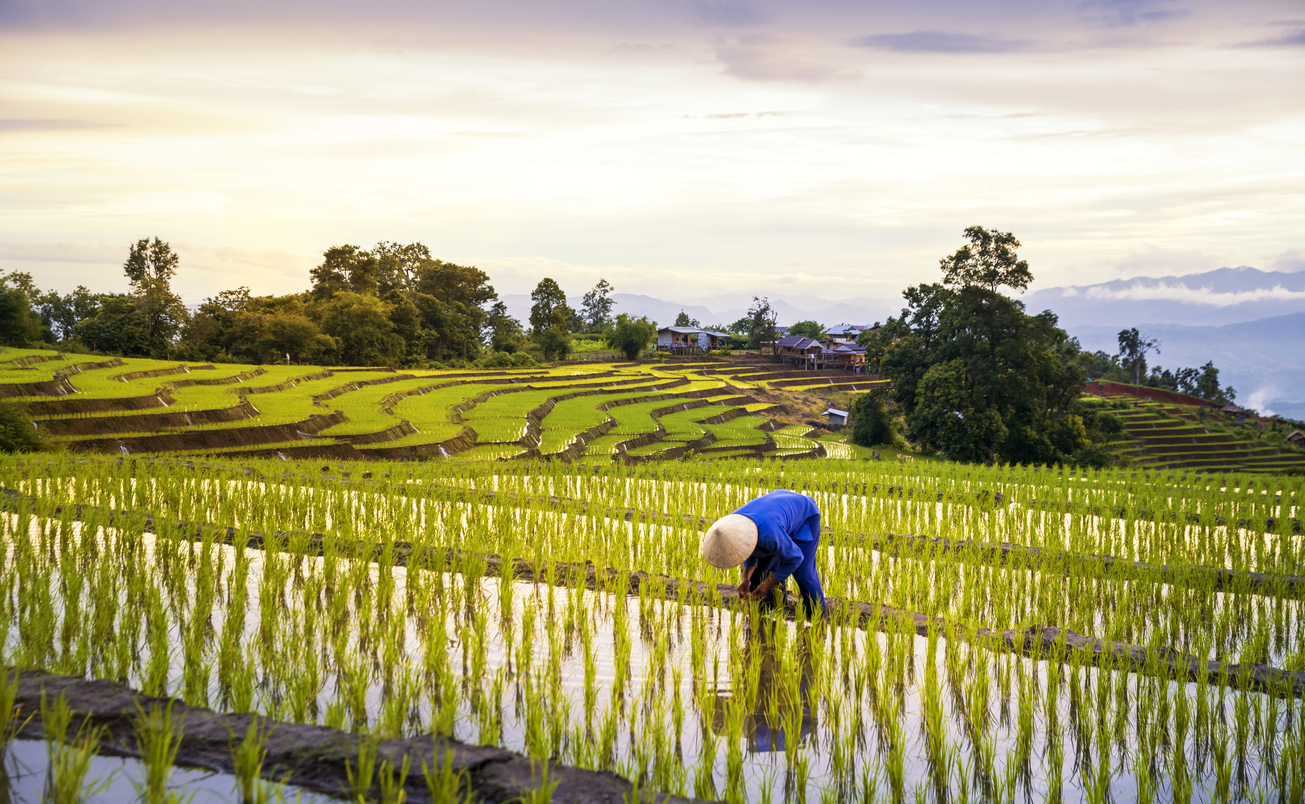
A new study by researchers from Boston College reveals that greenhouse gas emissions from global rice paddies have doubled over the past 60 years, reaching the equivalent of roughly 1.1 billion tons of carbon dioxide annually. Published in the journal Nature Food, the comprehensive global assessment reveals that while rice remains a critical food source for over half the world's population, its intensifying climate footprint has become a major driver of near-term warming.
The study, which tracked data from 1961 to 2020 using machine learning and field observations, identified two main drivers behind the massive surge in emissions: the expansion of rice cultivation into new regions and the practice of returning crop residues like straw into flooded soils, which triggers heavy methane production. While East Asia remains a heavy contributor due to intensive farming practices, researchers highlighted Africa as a rapidly growing emissions hotspot, where rice cultivation acreage has expanded seven-fold over the last six decades.
Despite the stark rise in emissions, the research team offered a path forward, noting that improved farm management could slash emissions by approximately 10 percent without compromising global food security. Practical, scalable solutions include optimizing water management to prevent methane formation, reducing excessive residue return to soils, and utilizing nitrogen fertilizers more efficiently. "They offer a meaningful pathway for agriculture to contribute to near-term climate targets," noted co-author Susan Pan, an associate professor of engineering at Boston College.
For more details, read the article in BC News.
| |
You might also like:
- Rice Gene Discovery to Reduce Fertilizer Needs
- Cultivating Resilience: How Biotech Shapes Climate-Smart Agriculture in Asia and Australasia
- High-yield Rice Emits up to 70% Less Methane
Biotech Updates is a weekly newsletter of ISAAA, a not-for-profit organization. It is distributed for free to over 22,000 subscribers worldwide to inform them about the key developments in biosciences, especially in biotechnology. Your support will help us in our mission to feed the world with knowledge. You can help by donating as little as $10.
-
See more articles:
-
Plant
- CRISPR Reveals Genetic Pathway for Waterlogging Tolerance in Cucumber
- Dual-Function Rice Gene Boosts Drought Tolerance and Grain Yield
- Cisgenic Gala Apples Provide Resistance Against Apple Scab and Fire Blight
- Study Reveals Role of Cotton Gene in Growth and Resilience
- Culture, Media, and Trust Shape GMO Acceptance in Nigeria
-
Environment
- New Study Finds Global Rice Cultivation Emissions Have Doubled in 60 Years
- ASCA2026: Early Bird Registration Now Open
- Study Says Climate Change Threatens World's Staple Crops
-
Read the latest: - Biotech Updates (July 1, 2026)
- Gene Editing Supplement (June 24, 2026)
- Gene Drive Supplement (February 22, 2023)
-
Subscribe to BU: - Share
- Tweet