

Researchers Confer Resistance to Bacterial Blight in Rice Using CRISPR
July 8, 2026| |
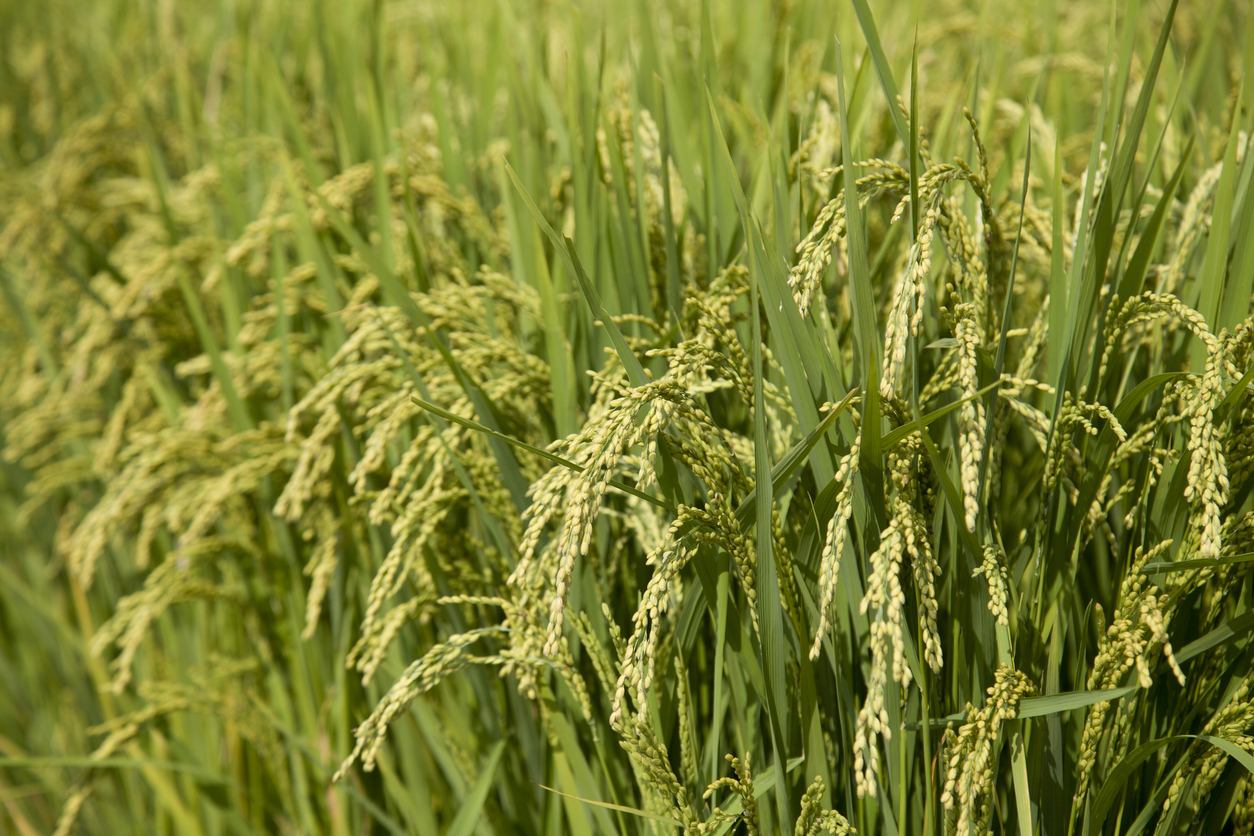
Huazhong Agricultural University scientists reported a two-part control system that confers resistance to bacterial blight in rice. The findings are published in Molecular Plant Pathology.
When plants encounter abiotic or biotic stress, they rely on a specialized internal communication system, the MAPL signaling pathway, to protect themselves. Through this system, they combat challenges by regulating hydrogen peroxide, which they use to attack invading pathogens. However, the mechanism by which rice plants balance hydrogen peroxide during bacterial infection remains unclear. Thus, the researchers used CRISPR-Cas9 to reveal this mechanism.
The research team discovered that a signaling protein (OsMAPK6) acts as a switch, modifying and deactivating a specific enzyme called OsCATA, which helps clear hydrogen peroxide. By modifying this enzyme, the plant turns off its hydrogen peroxide cleanup system. This allows the protective hydrogen peroxide to build up to toxic levels for the bacteria, successfully boosting the rice plant's natural defense and helping it combat the infection.
Read the open access article in Molecular Plant Pathology for more findings.
| |
You might also like:
- Scientists Discover Gene to Help Rice Escape Heat and Protect Yields
- PhilRice Study Pinpoints Low-GI Rice Varieties for Diabetics
- IRRI Unveils New Whole-Grain ‘Super Rice' to Combat Climate Change and Malnutrition
Biotech Updates is a weekly newsletter of ISAAA, a not-for-profit organization. It is distributed for free to over 22,000 subscribers worldwide to inform them about the key developments in biosciences, especially in biotechnology. Your support will help us in our mission to feed the world with knowledge. You can help by donating as little as $10.
-
See more articles:
-
Plant
- Gene Editing Boosts Soybean Yield Under Dense Planting
- Scientists Engineer Wheat with Giant Starch Granules to Boost Health and Industry
- Researchers Confer Resistance to Bacterial Blight in Rice Using CRISPR
- ASCA2026: Early Bird Registration Now Open
- UK Approves Gene-Edited Safer Wheat in Landmark Precision Breeding Milestone
- First Five-Bt Protein Soybean Shows Strong Protection Against Major Caterpillar Pests
-
Environment
- Researchers Call for Stronger Biosafety Rules for GE Microalgae Biofuels
- Ukraine Becomes 156th Member of Global Plant Genetic Resources Treaty
-
Read the latest: - Biotech Updates (September 23, 2026)
- Gene Editing Supplement (August 26, 2026)
- Gene Drive Supplement (February 22, 2023)
-
Subscribe to BU: - Share
- Tweet