

Engineered Soil Microbe Offers Dual Benefits for Soil Remediation and Rice Protection
October 28, 2026| |
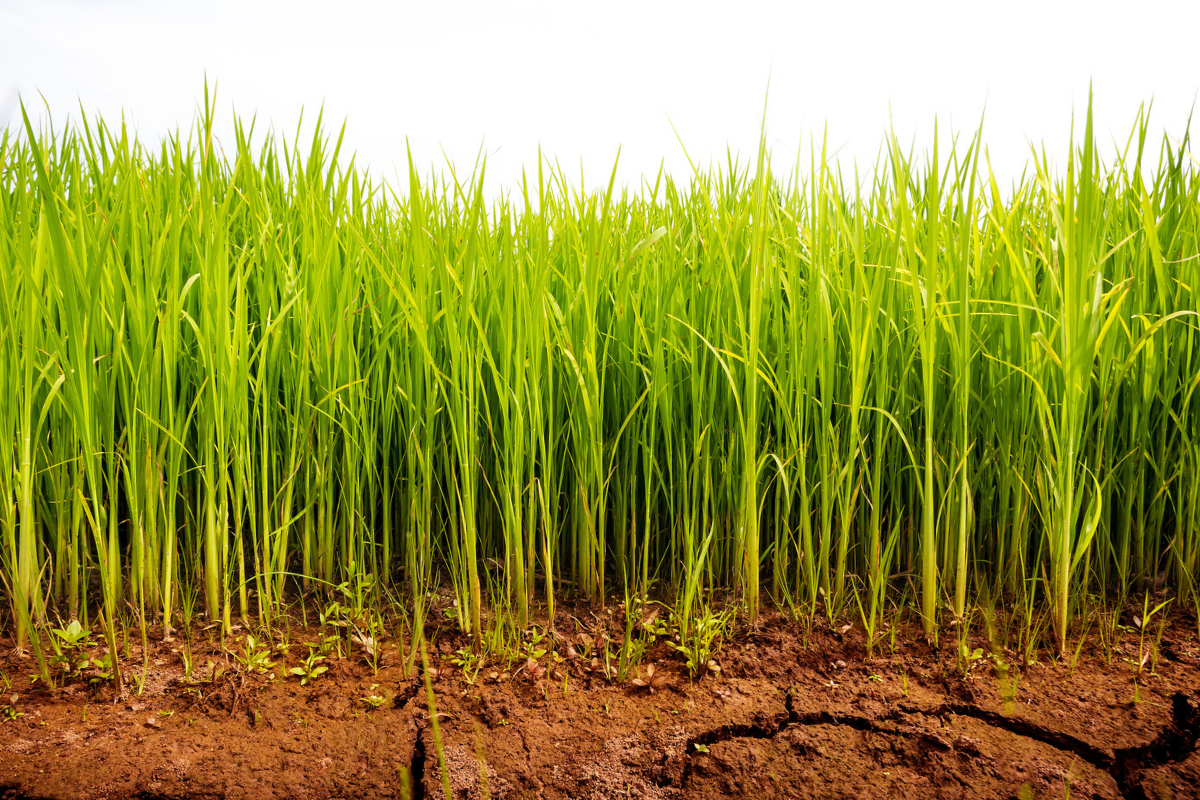
A bioengineering strategy to reduce toxic cadmium levels in rice was successfully demonstrated by researchers at the Hunan Academy of Agricultural Sciences. By modifying the beneficial soil bacterium Citrobacter sp. XT1-2-2 to overexpress key genes such as cysH and cysJ, which are responsible for encoding sulfate assimilation enzymes, the team created strains that help trap heavy metals right at the root zone. Inoculating rice plants with these modified bacteria reduced the level of available cadmium in the surrounding soil while lowering cadmium accumulation in rice roots.
DNA from the root-zone microbes were analyzed to assess how the treatment altered the soil ecosystem. The engineered soil bacterium increased the overall diversity and richness of both bacterial and fungal communities as useful bacterial groups like Bacillota and Pseudomonadota became more abundant, alongside beneficial fungi like Ascomycota. The modified bacteria helped recruit a microbial network that accelerated sulfate breakdown and converted soluble cadmium into solid, insoluble compounds directly on the root surface. This process created a physical shield that blocked the toxic metal from entering the plant's vascular system.
At the protein level, cell wall-reinforcing proteins, such as extensins and chitinases, increased to help lock cadmium ions out of the main transport system. Simultaneously, stress-related root enzymes were reduced, confirming that protection against heavy metal stress was conferred by the engineered bacteria. With these findings, scientists could potentially anchor on this approach to develop sustainable, microbe-based strategies that clean up farmland while protecting staple food crops.
Read the full study in BMC Genomics to learn more.
| |
You might also like:
- Tiny Gene Edit Cuts Toxic Cadmium in Rice by Half
- Halo-Alkaliphilic Microbes Reduce Heavy Metal Pollution in Extreme Environments
- Pocket K No. 25: Biotech Plants for Bioremediation
Biotech Updates is a weekly newsletter of ISAAA, a not-for-profit organization. It is distributed for free to over 22,000 subscribers worldwide to inform them about the key developments in biosciences, especially in biotechnology. Your support will help us in our mission to feed the world with knowledge. You can help by donating as little as $10.
-
See more articles:
-
Plant
- UPLB, NAST Team Assembles First Complete Genomes of Plant-Disease Bacteria
- Global Impact of GM Crops and Opportunities for Malaysia's Agriculture and Trade
- USDA APHIS Deregulates Genetically Engineered Marigold With Red Flowers
- ISAAA Report Generates Over 2.5 Million Media Impressions and Reach
-
Animal
- Simplified Test Offers Rapid On-Farm Detection of Mastitis-Causing E. coli in Cow's Milk
-
Environment
- Engineered Soil Microbe Offers Dual Benefits for Soil Remediation and Rice Protection
- Researchers Turn Milling Waste into Nutrient-Rich Agricultural Inputs Through Microbial Fermentation
- New Book Tackles Future of Biotech in the Philippines
-
Read the latest: - Biotech Updates (October 28, 2026)
- Gene Editing Supplement (October 28, 2026)
- Gene Drive Supplement (February 22, 2023)
-
Subscribe to BU: - Share
- Tweet