

Researchers Turn Milling Waste into Nutrient-Rich Agricultural Inputs Through Microbial Fermentation
October 28, 2026| |
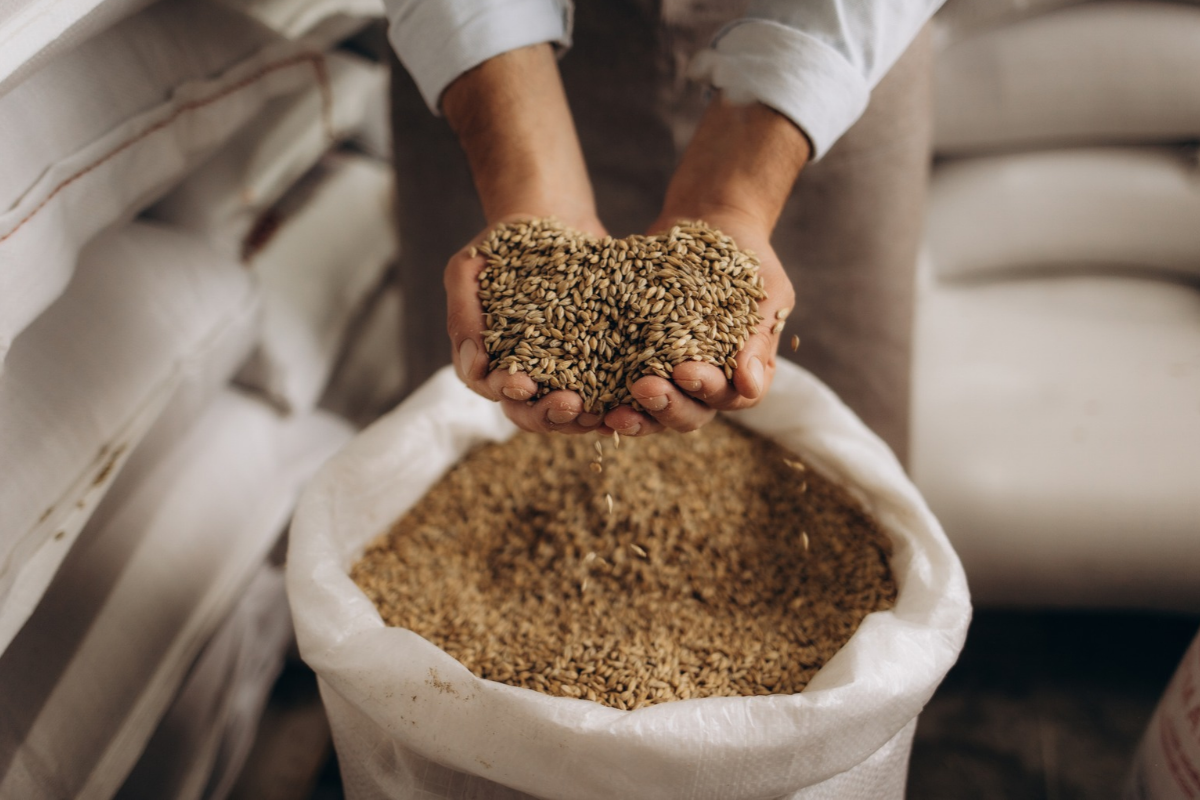
Researchers at Mendel University in Czech Republic have developed a quicker method to convert low-value cereal milling waste into nutrient-rich biofertilizers. Cereal processing generates vast amounts of waste in the form of wheat bran, flour, and milling dust that are difficult to process and traditionally take months to break down through standard composting. To solve this, the team paired enzyme treatment with controlled bacterial fermentation to speed up breakdown. In just three days, this microbially driven process effectively breaks down tough plant fibers, turning underutilized industrial side-streams into valuable agricultural inputs.
The grain milling wastes were subjected to a 24-hour enzymatic treatment using xylanase, combined with a 48-hour bacterial fermentation using Lactiplantibacillus plantarum and Bacillus subtilis. The findings reveal that the fermentation process lowered pH levels and triggered organic acid chelation. Subsequent laboratory analyses confirmed that total protein was doubled, lactic acid was increased by 6.5 times, and free phosphorus was doubled compared to raw waste. Soluble concentrations of key microelements, such as calcium, iron, magnesium, manganese, and zinc, were also significantly increased, thereby creating an enriched bio-input ready for crop application.
Greenhouse tests on corn showed that applying this fermented waste into the soil or as a liquid drench gave plants significantly more usable nitrogen than standard compost. The plants grew healthy green leaves and took up high amounts of essential minerals like magnesium and zinc. While the test cannot completely replace synthetic NPK fertilizers, it gives farmers a practical, natural tool to boost soil health and crop nutrition.
Read the full study in Frontiers in Sustainability for more information.
| |
You might also like:
- Pocket K No. 20: Microbial Fermentation
- Gene-edited Soil Bacteria Could Provide More Nitrogen for Corn
- Nitrogen-Fixing Rahnella Bacteria Promotes the Growth of Wheat
Biotech Updates is a weekly newsletter of ISAAA, a not-for-profit organization. It is distributed for free to over 22,000 subscribers worldwide to inform them about the key developments in biosciences, especially in biotechnology. Your support will help us in our mission to feed the world with knowledge. You can help by donating as little as $10.
-
See more articles:
-
Plant
- UPLB, NAST Team Assembles First Complete Genomes of Plant-Disease Bacteria
- Global Impact of GM Crops and Opportunities for Malaysia's Agriculture and Trade
- USDA APHIS Deregulates Genetically Engineered Marigold With Red Flowers
- ISAAA Report Generates Over 2.5 Million Media Impressions and Reach
-
Animal
- Simplified Test Offers Rapid On-Farm Detection of Mastitis-Causing E. coli in Cow's Milk
-
Environment
- Engineered Soil Microbe Offers Dual Benefits for Soil Remediation and Rice Protection
- Researchers Turn Milling Waste into Nutrient-Rich Agricultural Inputs Through Microbial Fermentation
- New Book Tackles Future of Biotech in the Philippines
-
Read the latest: - Biotech Updates (October 28, 2026)
- Gene Editing Supplement (October 28, 2026)
- Gene Drive Supplement (February 22, 2023)
-
Subscribe to BU: - Share
- Tweet