

A Compact Solution for Precision Agriculture
March 4, 2026| |
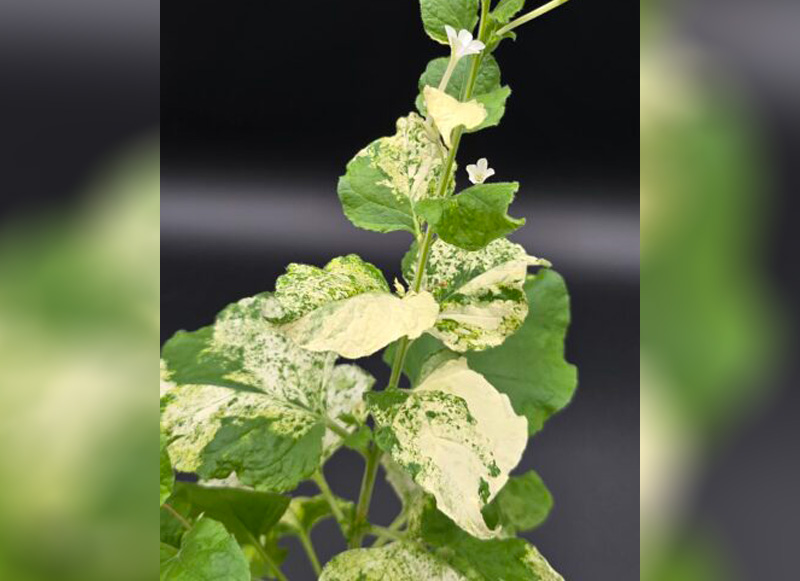
Researchers from the University of California, Davis (UC Davis) and the Innovative Genomics Institute (IGI) have developed a "pint-sized" gene editor that overcomes the size limitations of traditional CRISPR-Cas9. This engineered enzyme, derived from "jumping genes," allows for highly efficient and heritable plant gene editing via a simple viral delivery system, bypassing the need for complex and highly regulated genetic modification.
The breakthrough centers on an enzyme called TnpB, which is significantly smaller than the standard Cas9 protein. Because of its compact size, TnpB can be easily packaged into plant viruses, which act as "couriers" to deliver the editing machinery into cells. Unlike previous methods that required a permanent insertion of foreign DNA into the plant's genome—triggering strict GMO regulations—this new approach enables "transgene-free" editing. In tests on tobacco plants, the team achieved an impressive editing efficiency of up to 90%, with the new traits being passed down to nearly all offspring.
This innovation could fundamentally change the speed and accessibility of precision breeding. By simplifying the delivery process, the technology allows researchers to develop resilient, high-yielding crops more quickly and at a lower cost. The team is now working to adapt this system for essential food crops like tomatoes and peppers, offering a powerful tool to help global agriculture adapt to the challenges of climate change and food security.
For more details, read the news articles on the UC Davis and IGI websites.
| |
You might also like:
- UCLA and UC Berkeley Scientists Develop Tiny CRISPR Tool for Faster, Simpler Plant Genome Editing
- Tiny CRISPR Tool to Fight Viruses Through an RNA-targeting System
- Experts Develop the Smallest CRISPR-Cas System for Genome Editing
Biotech Updates is a weekly newsletter of ISAAA, a not-for-profit organization. It is distributed for free to over 22,000 subscribers worldwide to inform them about the key developments in biosciences, especially in biotechnology. Your support will help us in our mission to feed the world with knowledge. You can help by donating as little as $10.
-
See more articles:
-
Plant
- University of Missouri Discovers Protein that Regulates Root Growth
- Researchers Identify Gene Influencing Flowering Time and Salt Sensitivity in Soybeans
- A Compact Solution for Precision Agriculture
- AFSI Releases Updates on the Crop Composition Database
- ISF Chief Urges Global Regulatory Alignment to Unlock the Potential of Gene-Edited Seeds
- European Commission Authorizes GM Sugar Beet and Renews GM Maize for Food and Feed Use
- Rice Gene Discovery to Reduce Fertilizer Needs
-
Animal
- Experts Develop System for Studying Greater Wax Moth as Animal Model
-
Read the latest: - Biotech Updates (March 4, 2026)
- Gene Editing Supplement (March 4, 2026)
- Gene Drive Supplement (February 22, 2023)
-
Subscribe to BU: - Share
- Tweet