

University of Missouri Discovers Protein that Regulates Root Growth
March 4, 2026| |
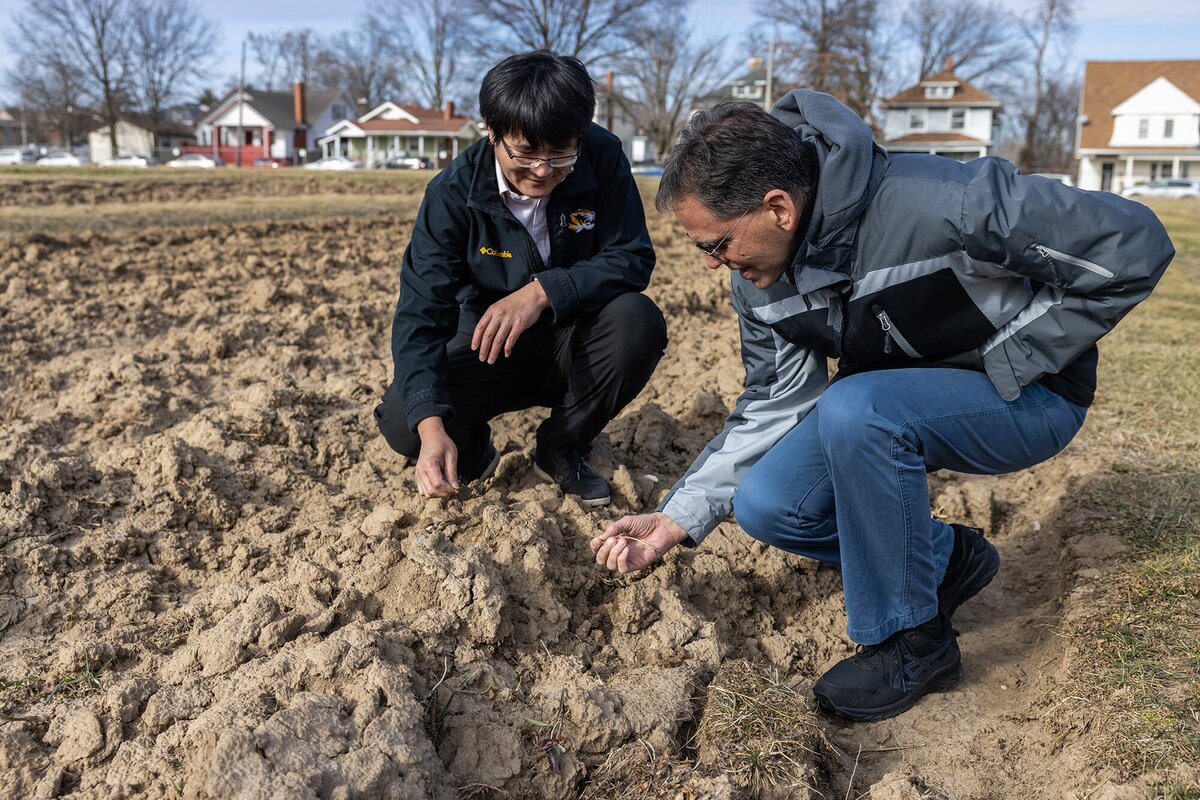
Scientists at the University of Missouri have identified a key protein, SRFR1, that controls root length in plants, using artificial intelligence (AI) and genetic modification to uncover and enhance its function. The findings of the study, published in The Plant Cell, could help develop crop varieties that are better suited to drought conditions.
The researchers found that SRFR1 forms tiny gel-like structures, known as condensates, that naturally help control the root growth of plants. Using AI tools, the team identified specific amino acids responsible for forming bonds between SRFS1 molecules. The team then genetically modified these amino acids to enhance the protein's ability to form condensates, resulting in plants with significantly longer roots than wild-type plants.
Microscopy confirmed that the GM plants formed more condensates in root cells. The findings suggest that enhancing SRFR1 could help scientists develop crops with root systems better adapted to drought stress. “In times of drought, plants need longer roots to reach deeper into the soil in search of water or nutrients. Now that we have learned what this protein does, we can manipulate it to help plants thrive in various environments,” said Walter Gassmann, Director of the Bond Life Sciences Center and Professor in the College of Agriculture, Food, and Natural Resources.
For more information, read the article from the University of Missouri.
| |
You might also like:
- Researchers Pinpoint Potato Gene for Root Growth and Drought Tolerance
- Scientists Discover How Plants Grow Away from Salt
- Research Team Finds Hormones Control Root Length
Biotech Updates is a weekly newsletter of ISAAA, a not-for-profit organization. It is distributed for free to over 22,000 subscribers worldwide to inform them about the key developments in biosciences, especially in biotechnology. Your support will help us in our mission to feed the world with knowledge. You can help by donating as little as $10.
-
See more articles:
-
Plant
- University of Missouri Discovers Protein that Regulates Root Growth
- Researchers Identify Gene Influencing Flowering Time and Salt Sensitivity in Soybeans
- A Compact Solution for Precision Agriculture
- AFSI Releases Updates on the Crop Composition Database
- ISF Chief Urges Global Regulatory Alignment to Unlock the Potential of Gene-Edited Seeds
- European Commission Authorizes GM Sugar Beet and Renews GM Maize for Food and Feed Use
- Rice Gene Discovery to Reduce Fertilizer Needs
-
Animal
- Experts Develop System for Studying Greater Wax Moth as Animal Model
-
Read the latest: - Biotech Updates (March 4, 2026)
- Gene Editing Supplement (March 4, 2026)
- Gene Drive Supplement (February 22, 2023)
-
Subscribe to BU: - Share
- Tweet