

Rice Gene Discovery to Reduce Fertilizer Needs
March 4, 2026| |
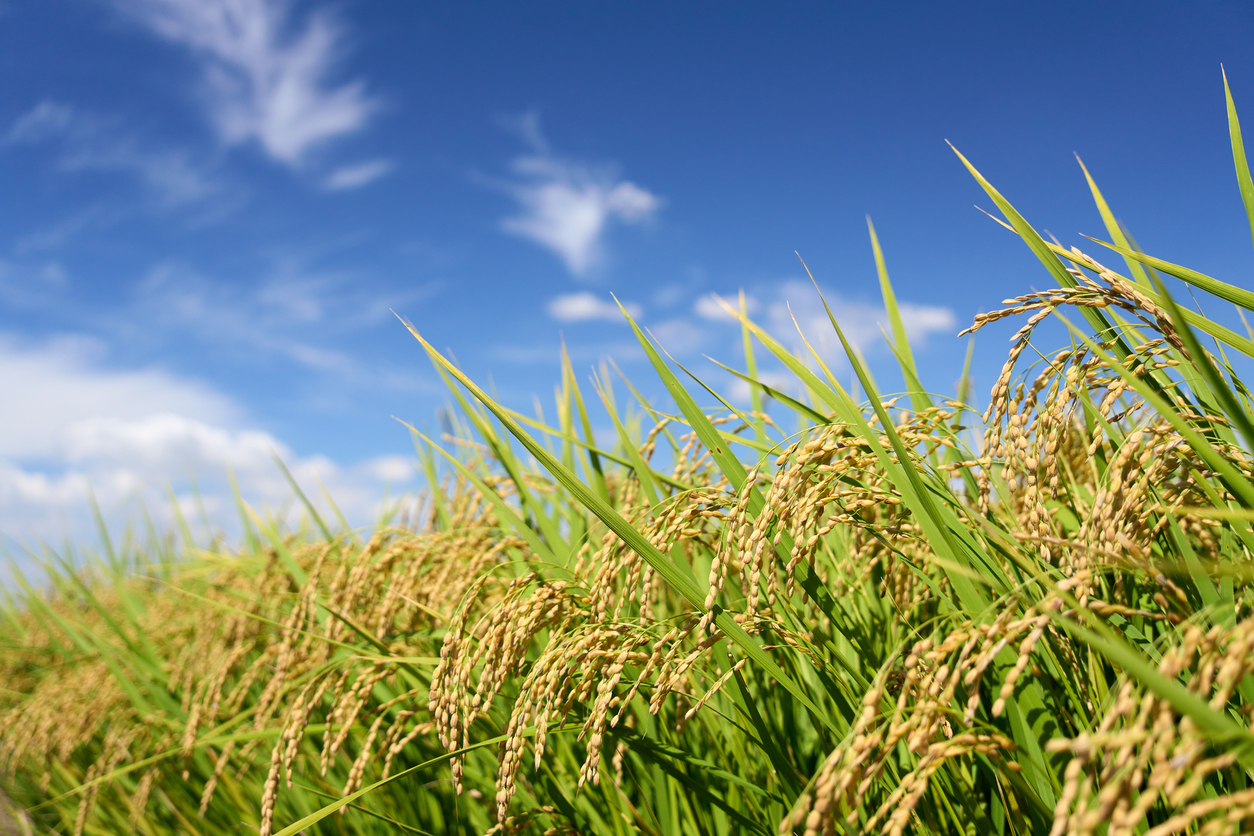
Researchers from the University of Oxford, Nanjing Agricultural University, and the Institute of Genetics and Developmental Biology (Chinese Academy of Sciences) have identified a "master regulator" gene in rice that could revolutionize sustainable farming. This discovery, published in the journal Science in February 2026, allows rice plants to maintain high yields even when nitrogen fertilizer levels are significantly reduced, potentially curbing both agricultural costs and environmental pollution.1
The gene, known as WRINKLED1a, acts as a biological switch that balances root and shoot growth. Naturally, plants faced with low nitrogen divert energy into their roots to scavenge for nutrients, which usually stunts the growth of the grain-bearing shoots. However, by overexpressing or utilizing a superior natural version of this gene, researchers found that rice plants could bypass this trade-off. This dual action—improving nitrogen uptake in the roots while promoting branching in the shoots—resulted in yield increases of up to 24% in field trials, even under low-fertilizer conditions.
This genetic breakthrough holds immense promise for global food security, as rice is a staple for over half the world's population. By reducing the reliance on synthetic nitrogen fertilizers, which are a major source of greenhouse gas emissions and water contamination, the technology offers a "double dividend" for farmers and the environment. Scientists are now looking to see if similar "master regulator" genes can be leveraged in other major crops, such as wheat and maize, to further stabilize the global food system against the pressures of climate change.
For more details, read the article in the University of Oxford News & Events.
| |
You might also like:
- Scientists Show How to Grow More Nutritious Rice That Uses Less Fertilizer
- Improving Rice Photosynthesis and Yield through N Use Efficiency
- Scientists Discover Gene that Improves Yield and Fertilizer Use Efficiency of Rice
Biotech Updates is a weekly newsletter of ISAAA, a not-for-profit organization. It is distributed for free to over 22,000 subscribers worldwide to inform them about the key developments in biosciences, especially in biotechnology. Your support will help us in our mission to feed the world with knowledge. You can help by donating as little as $10.
-
See more articles:
-
Plant
- University of Missouri Discovers Protein that Regulates Root Growth
- Researchers Identify Gene Influencing Flowering Time and Salt Sensitivity in Soybeans
- A Compact Solution for Precision Agriculture
- AFSI Releases Updates on the Crop Composition Database
- ISF Chief Urges Global Regulatory Alignment to Unlock the Potential of Gene-Edited Seeds
- European Commission Authorizes GM Sugar Beet and Renews GM Maize for Food and Feed Use
- Rice Gene Discovery to Reduce Fertilizer Needs
-
Animal
- Experts Develop System for Studying Greater Wax Moth as Animal Model
-
Read the latest: - Biotech Updates (March 4, 2026)
- Gene Editing Supplement (March 4, 2026)
- Gene Drive Supplement (February 22, 2023)
-
Subscribe to BU: - Share
- Tweet