

Breakthrough Gene Editing Trims Wheat Chromosomes for Faster Breeding
April 22, 2026| |
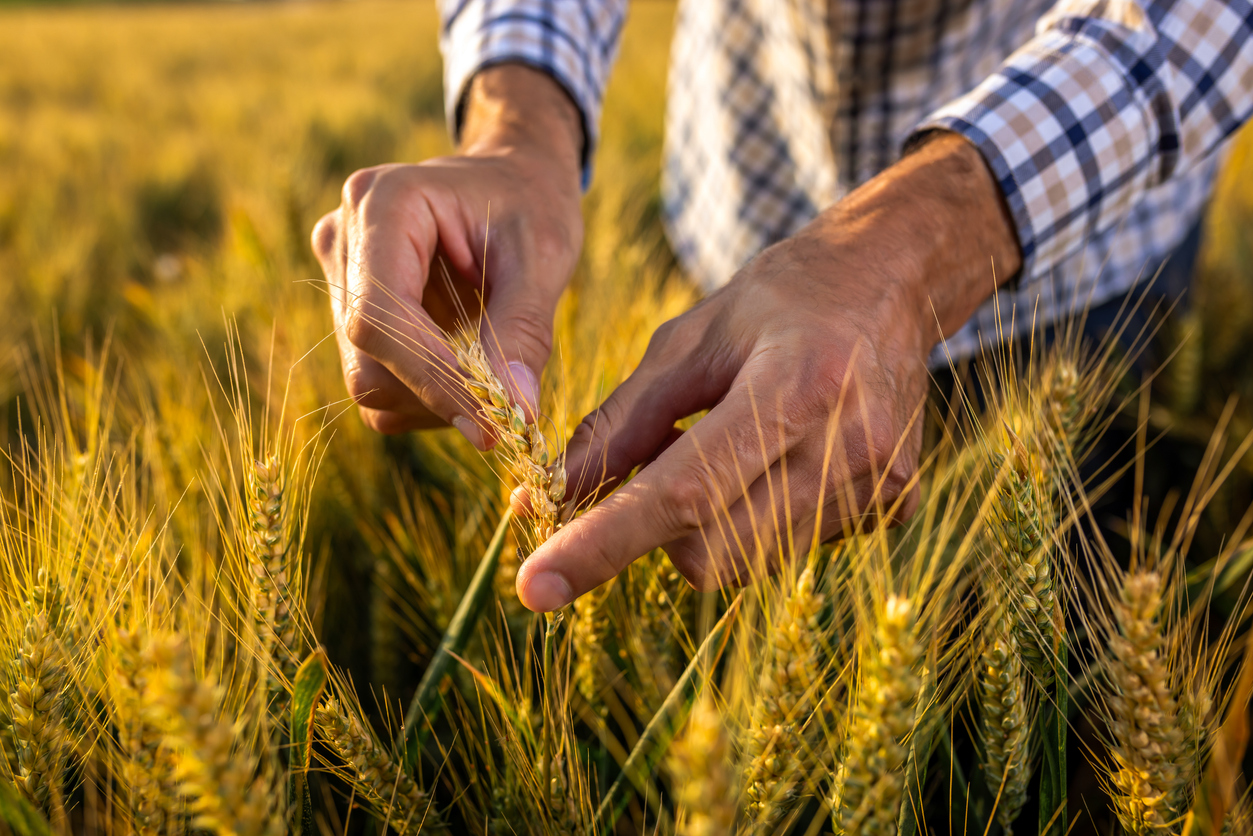
In a world-first achievement, researchers at the Leibniz Institute of Plant Genetics and Crop Plant Research (IPK) Gatersleben have successfully used CRISPR-Cas9 technology to significantly shrink or entirely remove specific chromosomes in wheat. By targeting satellite DNA, the team has demonstrated that even the massive, complex genome of wheat can be precision-engineered at a structural level. This breakthrough, published in Plant Communications, provides scientists with a powerful new toolkit to manipulate crop genetics with unprecedented accuracy.
The research team, led by Dr. Jianyong Chen and Prof. Dr. Andreas Houben, likened their method to cutting a rope in multiple places simultaneously; when enough breaks occur at these repetitive sites, the chromosome becomes unstable and eventually snaps or is lost entirely. While such chromosomal changes were previously only possible through rare, chance occurrences, this targeted approach allows for the creation of isochromosomes and other new genetic variants. By utilizing a virus-based delivery system, the scientists bypassed the slow traditional transformation processes, enabling rapid and efficient modifications that were once thought impossible in crops with large genomes.
This innovation opens transformative pathways for global agriculture, particularly in the effort to transfer valuable traits from wild relatives into cultivated wheat. By trimming away unnecessary genetic material or inducing specific chromosomal rearrangements, breeders can more effectively introduce resistance to pests, diseases, and climate-driven stresses like drought or heat. Ultimately, the ability to engineer plant genomes at the chromosomal level promises to drastically accelerate the development of hardier, high-yielding wheat varieties, securing food supplies in an increasingly volatile global environment.
For more details, read the news release from IPK Gatersleben.
| |
You might also like:
- International Consortium Launches Global Initiative to Map Wheat at Single-Cell Resolution
- Genetic Breakthrough Could Triple Wheat Yields and Boost Global Food Security
- Scientists Discover a Gene that Could Triple Wheat Production
Biotech Updates is a weekly newsletter of ISAAA, a not-for-profit organization. It is distributed for free to over 22,000 subscribers worldwide to inform them about the key developments in biosciences, especially in biotechnology. Your support will help us in our mission to feed the world with knowledge. You can help by donating as little as $10.
-
See more articles:
-
Plant
- Tasmania Revises Gene Technology Policy
- Breakthrough Gene Editing Trims Wheat Chromosomes for Faster Breeding
- Information Drives Support for Drought Tolerant GM Maize
- Africa's First Gene-Edited Grapevine Promises Climate Resilience
- GM Poplar Trees Show Tolerance to Salt Stress
-
Environment
- Global Research Team Unlocks Complete Rose Pangenome
- Exhibition Features Gene-edited Glowing Plants in China
- Experts Find Low Risk in GM Fungus for Malaria Control
-
Read the latest: - Biotech Updates (April 22, 2026)
- Gene Editing Supplement (March 25, 2026)
- Gene Drive Supplement (February 22, 2023)
-
Subscribe to BU: - Share
- Tweet