

Experts Find Low Risk in GM Fungus for Malaria Control
April 22, 2026| |
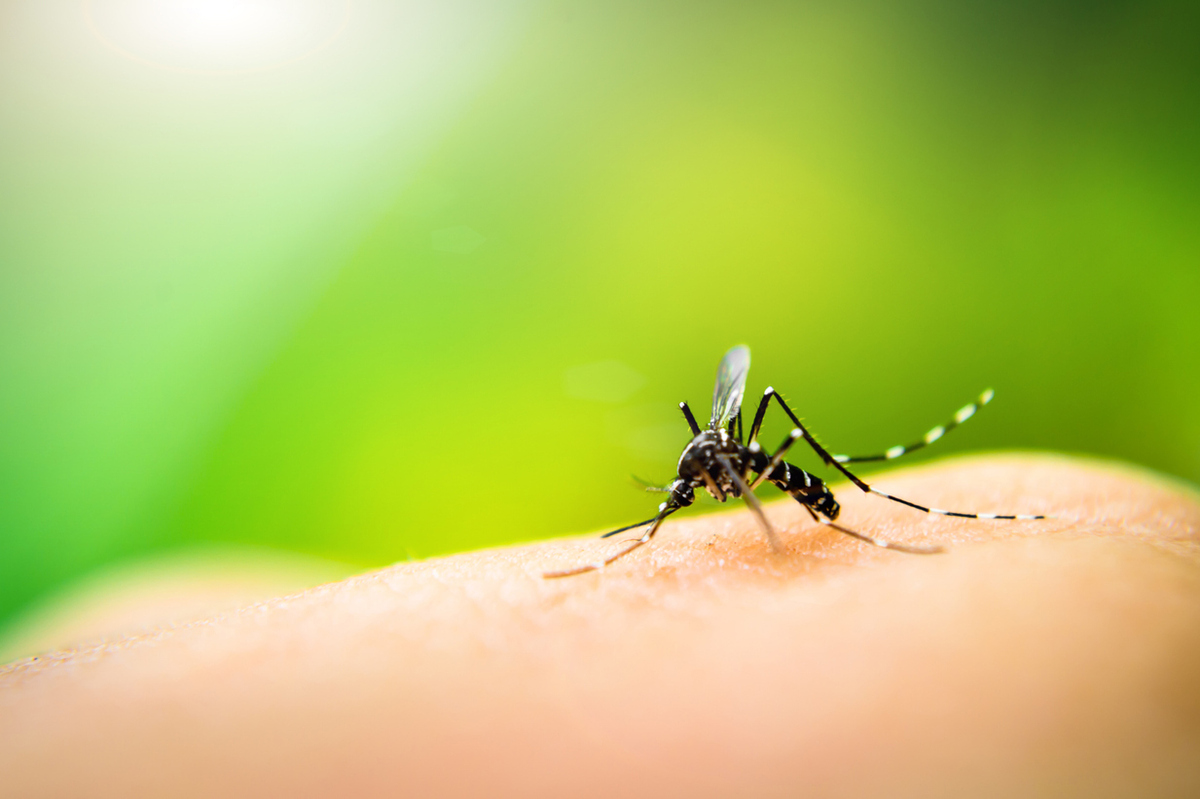
A study suggests that a genetically modified (GM) fungus could be a safe and effective tool for controlling malaria-carrying mosquitoes. Researchers in Burkina Faso, Africa, assessed the potential risks associated with the environmental release of a modified Metarhizium pingshaense (Mp-Hybrid) strain for malaria vector control. The approach aims to address growing challenges, such as insecticide resistance and changing vector behavior.
The study gathered 19 experts to evaluate 30 risk factors, including biological hazards, transmission modifiers, operational risks, and socio-economic factors. The results showed that the overall risk associated with the release of Mp-Hybrid is estimated to be low. The Mp-Hybrid also showed a high probability of infecting malaria vectors, indicating strong potential as a control strategy. The study also observed differences in risk perception, with non-specialists rating higher severity scores.
The findings indicate a low risk associated with the release of Mp-Hybrid, which may represent a promising complementary tool for malaria vector control. However, the researchers pointed out uncertainties, particularly in long-term ecological and epidemiological effects. They recommend cautious and phased implementation, supported by robust monitoring, regulatory oversight, and community engagement.
For more information, read the abstract from the Journal of Advances in Biology & Biotechnology.
| |
You might also like:
- Fighting Malaria with Modified Mosquitoes
- Cage Trials Success: Dual Effector Gene Drive May Curb Malaria Transmission
- Gene Drive Explained: How It Works, Why It Matters, and What the Regulations Say
Biotech Updates is a weekly newsletter of ISAAA, a not-for-profit organization. It is distributed for free to over 22,000 subscribers worldwide to inform them about the key developments in biosciences, especially in biotechnology. Your support will help us in our mission to feed the world with knowledge. You can help by donating as little as $10.
-
See more articles:
-
Plant
- Tasmania Revises Gene Technology Policy
- Breakthrough Gene Editing Trims Wheat Chromosomes for Faster Breeding
- Information Drives Support for Drought Tolerant GM Maize
- Africa's First Gene-Edited Grapevine Promises Climate Resilience
- GM Poplar Trees Show Tolerance to Salt Stress
-
Environment
- Global Research Team Unlocks Complete Rose Pangenome
- Exhibition Features Gene-edited Glowing Plants in China
- Experts Find Low Risk in GM Fungus for Malaria Control
-
Read the latest: - Biotech Updates (April 22, 2026)
- Gene Editing Supplement (March 25, 2026)
- Gene Drive Supplement (February 22, 2023)
-
Subscribe to BU: - Share
- Tweet