

GM Poplar Trees Show Tolerance to Salt Stress
April 22, 2026| |
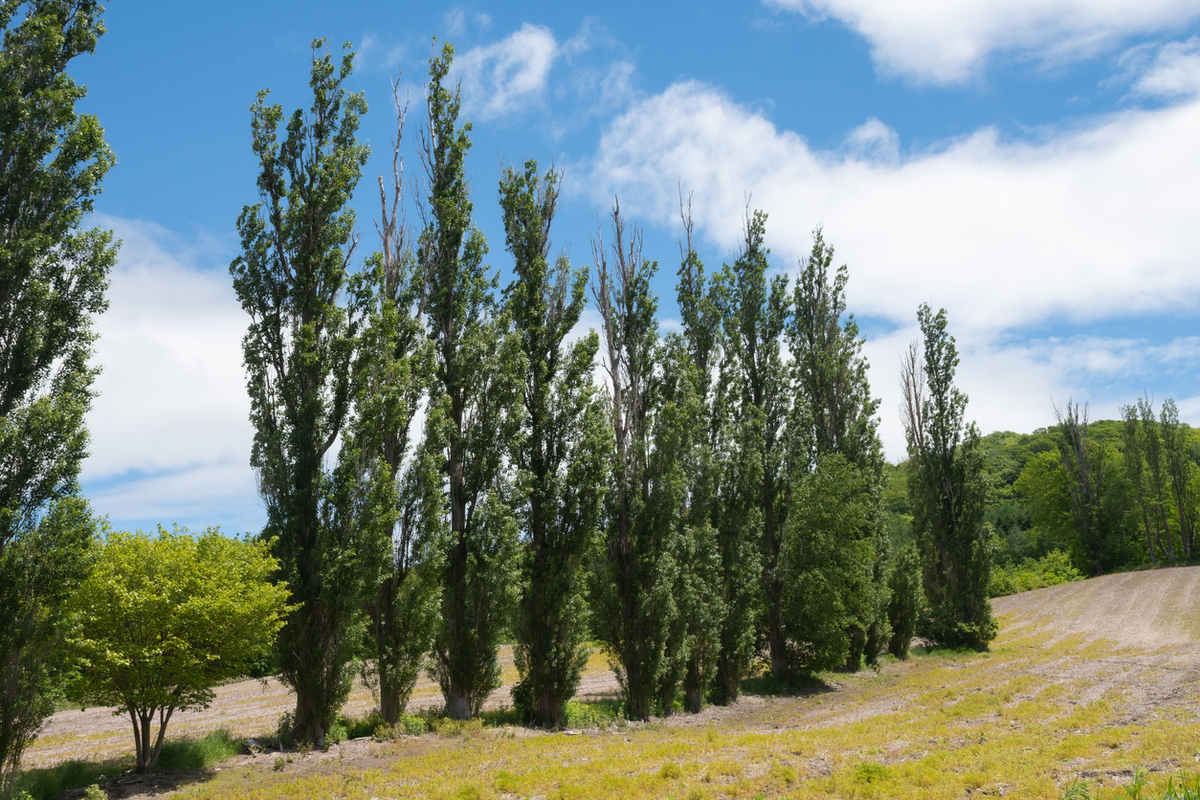
Researchers from the Siberian Branch of the Russian Academy of Sciences, Russia, developed two transgenic lines of genetically modified (GM) poplar trees carrying dehydrin genes TaWCS120 and HvDHN5 to improve tolerance to high salinity. The findings of the study offer potential benefits for both the wood industry and agriculture.
The research team exposed both modified and non-modified plants to increasing concentrations of sodium chloride (NaCl) to assess root formation and growth. The study found that high concentrations significantly reduced growth in control plants and those carrying the TaWCS120 gene. In contrast, poplar trees with the HvDHN5 gene maintained normal growth under moderate stress and showed better resilience as salt levels increased.
The findings revealed that HvDHN5-transgenic poplars survived high salinity conditions that proved lethal to non-modified plants. The researchers conclude that these genes could be used to develop salt tolerant crops and trees, which could support productivity in challenging environments.
For more information, read the abstract from EDP Sciences.
| |
You might also like:
- GE Poplar Trees Help Fight Climate Change
- Researchers Develop Transgene-free Gene-edited Poplar Trees
- From Lab to Forest: Biotech Trees for a Sustainable Future
Biotech Updates is a weekly newsletter of ISAAA, a not-for-profit organization. It is distributed for free to over 22,000 subscribers worldwide to inform them about the key developments in biosciences, especially in biotechnology. Your support will help us in our mission to feed the world with knowledge. You can help by donating as little as $10.
-
See more articles:
-
Plant
- Tasmania Revises Gene Technology Policy
- Breakthrough Gene Editing Trims Wheat Chromosomes for Faster Breeding
- Information Drives Support for Drought Tolerant GM Maize
- Africa's First Gene-Edited Grapevine Promises Climate Resilience
- GM Poplar Trees Show Tolerance to Salt Stress
-
Environment
- Global Research Team Unlocks Complete Rose Pangenome
- Exhibition Features Gene-edited Glowing Plants in China
- Experts Find Low Risk in GM Fungus for Malaria Control
-
Read the latest: - Biotech Updates (April 22, 2026)
- Gene Editing Supplement (March 25, 2026)
- Gene Drive Supplement (February 22, 2023)
-
Subscribe to BU: - Share
- Tweet