

Researchers Develop Sustainable Bioplastic from Potato Starch
June 17, 2026| |
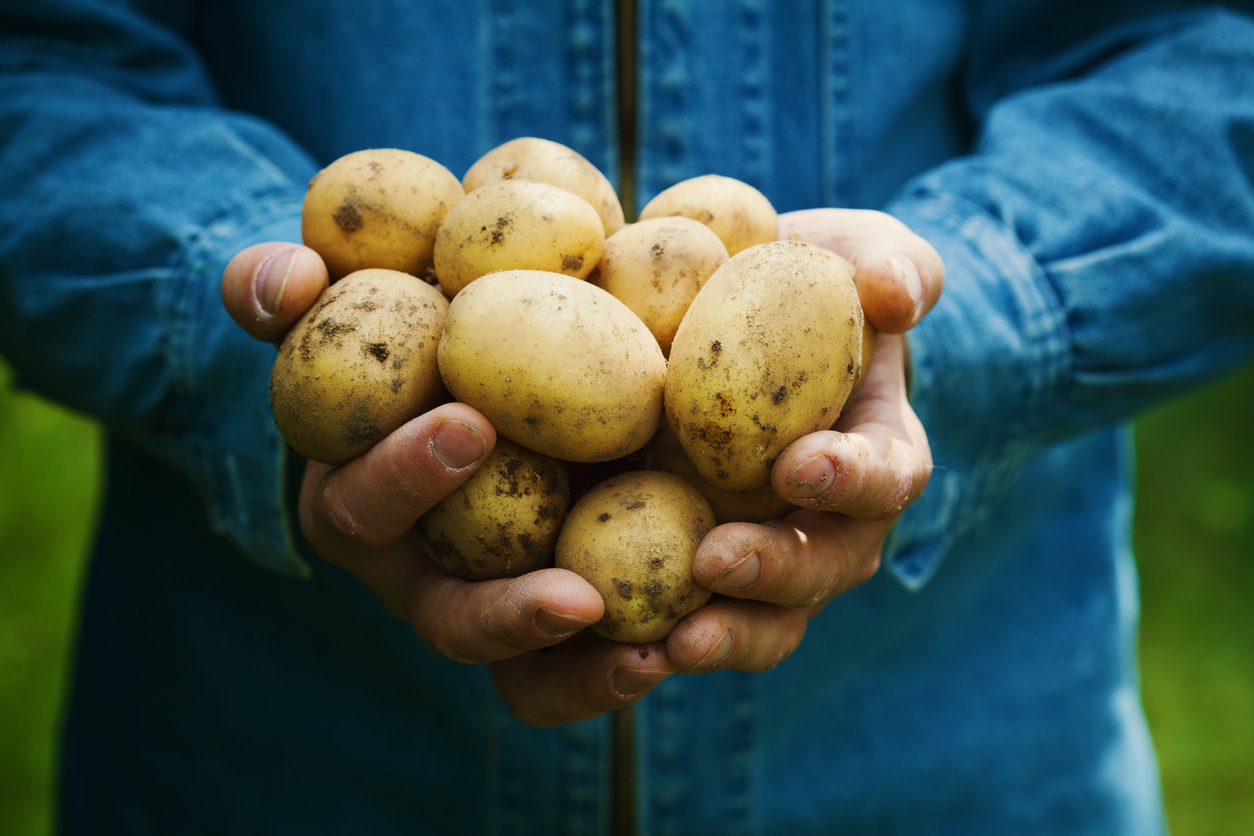
Researchers at the University of Barcelona (UB) have engineered the bacterium Bacillus subtilis to produce a high-value, biodegradable bioplastic. By utilizing unprocessed potato starch as a low-cost, renewable feedstock, the team successfully created polyhydroxybutyrate (PHB)—a biodegradable polymer—through a streamlined, single-step process completed within 24 hours.
The study, published in Bioresource Technology and led by Professor Pere Picart, addresses the limitations of previous attempts to use this bacterium for bioplastic production. Using CRISPR-Cas9 gene-editing technology, the team effectively optimized the bacterium's metabolic pathways. This innovation overcame previous yield bottlenecks, allowing for high accumulation of the polymer and demonstrating that B. subtilis is a robust, industrially viable platform for eco-friendly material synthesis.
This advancement offers a promising alternative to petrochemical-based plastics, which are a major contributor to global greenhouse gas emissions and persistent environmental pollution. By using agricultural by-products like potato starch, the researchers hope to reduce dependence on fossil fuels and foster a circular economy, providing a scalable, sustainable solution to the world's growing plastic waste crisis.
For more details, read the article in UB Current Events.
| |
You might also like:
- Emerging Biotechnological Solutions for Plastic Waste Management
- Engineered Bacteria Turn Plastic Waste into Treatment for Parkinson’s Disease
- Kobe University Engineers Bacteria to Create Biodegradable Plastic Alternative
Biotech Updates is a weekly newsletter of ISAAA, a not-for-profit organization. It is distributed for free to over 22,000 subscribers worldwide to inform them about the key developments in biosciences, especially in biotechnology. Your support will help us in our mission to feed the world with knowledge. You can help by donating as little as $10.
-
See more articles:
-
Plant
- AI Model Maps How Gene Switches Control Plant Traits and Crop Stress Response
- CRISPR Boosts Potato Resistance to Late Blight Disease
- European Parliament Approves New Rules for Genomic Techniques in Agriculture
- Researcher Develop Rapid Transformation Method to Improve Finger Millet
- Scientists Discover Gene to Help Rice Escape Heat and Protect Yields
-
Health
- Therapeutic Benefits Drive Public Support for Genome Editing in Saudi Arabia
-
Environment
- ISAAA and MABIC Announce 2026 Asian Short Course in Malaysia
- Researchers Develop Sustainable Bioplastic from Potato Starch
-
Read the latest: - Biotech Updates (September 23, 2026)
- Gene Editing Supplement (August 26, 2026)
- Gene Drive Supplement (February 22, 2023)
-
Subscribe to BU: - Share
- Tweet