

AI Model Maps How Gene Switches Control Plant Traits and Crop Stress Response
June 17, 2026| |
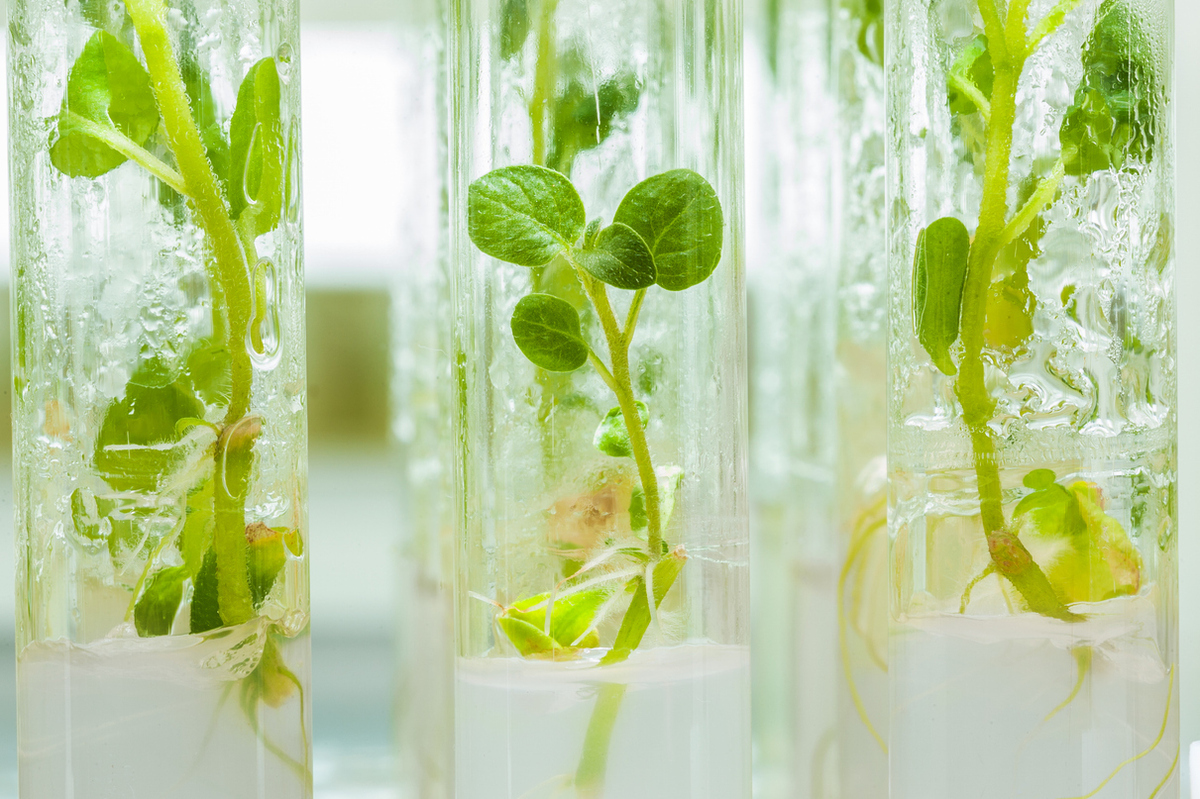
An international research team led by Forschungszentrum Jülich and the IPK Leibniz Institute has developed an artificial intelligence (AI) model that predicts how regulatory proteins bind to plant DNA to control gene activity. The study, published in Nature Communications, was trained on genomic data from Arabidopsis thaliana and successfully applied to crops such as maize.
The AI model was trained on hundreds of DNA-binding datasets to identify patterns across 46 transcription factor families. “What matters is the surrounding sequence and how signals are arranged together,” said lead author Fritz Forbang Peleke. The model also grouped thousands of genes into 14 broad regulatory clusters linked to shared biological functions and coordinated gene activity.
The findings showed that about one in five of the tested DNA variants likely alter transcription factor binding. “We can now estimate how a single change in a regulatory stretch of DNA alters gene activity and, in turn, an important plant trait,” explains Dr. Jędrzej Szymański, head of the Network Analysis and Modelling research group at the IPK and the Omics Data research group at the Forschungszentrum Jülich. The researchers added that the same model could be transferred to maize, where it identified key heat-stress regulators.
For more information, read the article from Forschungszentrum Jülich.
| |
You might also like:
- Next-generation Agriculture: Future-proofing Food Systems with AI and Biotechnology
- Scientists Map Genetic Switches to Improve Mosquito Control Strategies
- Pocket K No. 21: Gene Switching and GURTs: What, How and Why?
Biotech Updates is a weekly newsletter of ISAAA, a not-for-profit organization. It is distributed for free to over 22,000 subscribers worldwide to inform them about the key developments in biosciences, especially in biotechnology. Your support will help us in our mission to feed the world with knowledge. You can help by donating as little as $10.
-
See more articles:
-
Plant
- AI Model Maps How Gene Switches Control Plant Traits and Crop Stress Response
- CRISPR Boosts Potato Resistance to Late Blight Disease
- European Parliament Approves New Rules for Genomic Techniques in Agriculture
- Researcher Develop Rapid Transformation Method to Improve Finger Millet
- Scientists Discover Gene to Help Rice Escape Heat and Protect Yields
-
Health
- Therapeutic Benefits Drive Public Support for Genome Editing in Saudi Arabia
-
Environment
- ISAAA and MABIC Announce 2026 Asian Short Course in Malaysia
- Researchers Develop Sustainable Bioplastic from Potato Starch
-
Read the latest: - Biotech Updates (September 23, 2026)
- Gene Editing Supplement (August 26, 2026)
- Gene Drive Supplement (February 22, 2023)
-
Subscribe to BU: - Share
- Tweet