

CRISPR Boosts Potato Resistance to Late Blight Disease
June 17, 2026| |
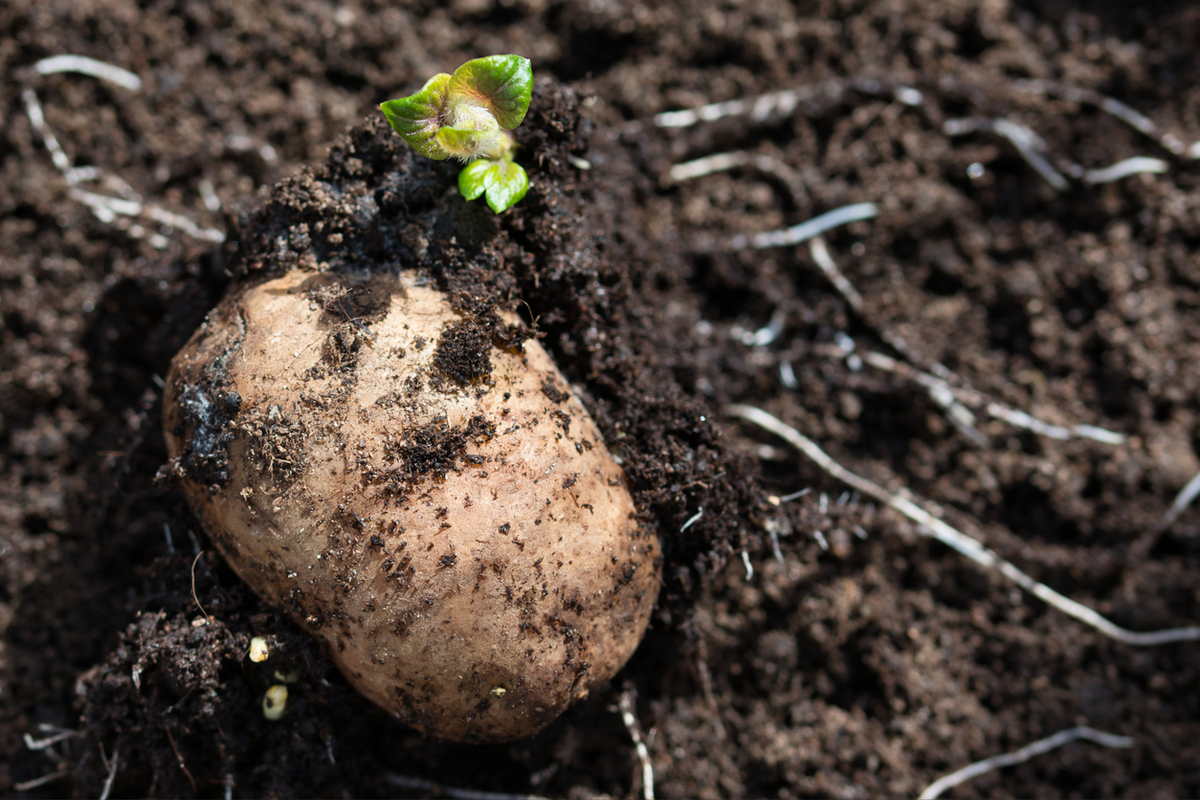
Scientists at the Pakistan Institute of Engineering and Applied Sciences (PIEAS) and partners have used CRISPR-Cas9 gene editing to improve the resistance of potato plants against late blight disease. The study focused on modifying a susceptibility gene, StDND2, as an alternative strategy to strengthen crop resilience and reduce reliance on fungicides in potato production.
The researchers introduced a targeted genetic change in the StDND2 gene using CRISPR-Cas9 and evaluated the edited plants under controlled conditions. The modified plants were produced through Agrobacterium-mediated transformation and confirmed using molecular screening. Disease resistance was then assessed through leaf infection assays, where pathogen growth and lesion size were measured after inoculation.
The study found that CRISPR-edited potatoes had about 74% lower disease severity without noticeable growth defects under the tested growth conditions. The researchers concluded that targeting susceptibility genes like StDND2 offers a promising approach to improving late blight resistance, though further testing in later plant generations and field trials is needed to confirm long-term effectiveness.
For more information, read the research article on Frontiers in Plant Science.
| |
You might also like:
- Knockout of StNRL1 Gene Improves Late Blight Resistance and Early Blight Susceptibility of Potato
- Late Blight Field Resistance in Potatoes With Genes from Wild Relative
- Bioengineered Late Blight Resistant Potato to Benefit 300,000 Smallholder Farmers in Uganda
Biotech Updates is a weekly newsletter of ISAAA, a not-for-profit organization. It is distributed for free to over 22,000 subscribers worldwide to inform them about the key developments in biosciences, especially in biotechnology. Your support will help us in our mission to feed the world with knowledge. You can help by donating as little as $10.
-
See more articles:
-
Plant
- AI Model Maps How Gene Switches Control Plant Traits and Crop Stress Response
- CRISPR Boosts Potato Resistance to Late Blight Disease
- European Parliament Approves New Rules for Genomic Techniques in Agriculture
- Researcher Develop Rapid Transformation Method to Improve Finger Millet
- Scientists Discover Gene to Help Rice Escape Heat and Protect Yields
-
Health
- Therapeutic Benefits Drive Public Support for Genome Editing in Saudi Arabia
-
Environment
- ISAAA and MABIC Announce 2026 Asian Short Course in Malaysia
- Researchers Develop Sustainable Bioplastic from Potato Starch
-
Read the latest: - Biotech Updates (September 23, 2026)
- Gene Editing Supplement (August 26, 2026)
- Gene Drive Supplement (February 22, 2023)
-
Subscribe to BU: - Share
- Tweet