

CRISPR Helps Confirm Key Rice Transporter for Bacterial Blight Resistance
October 7, 2026| |
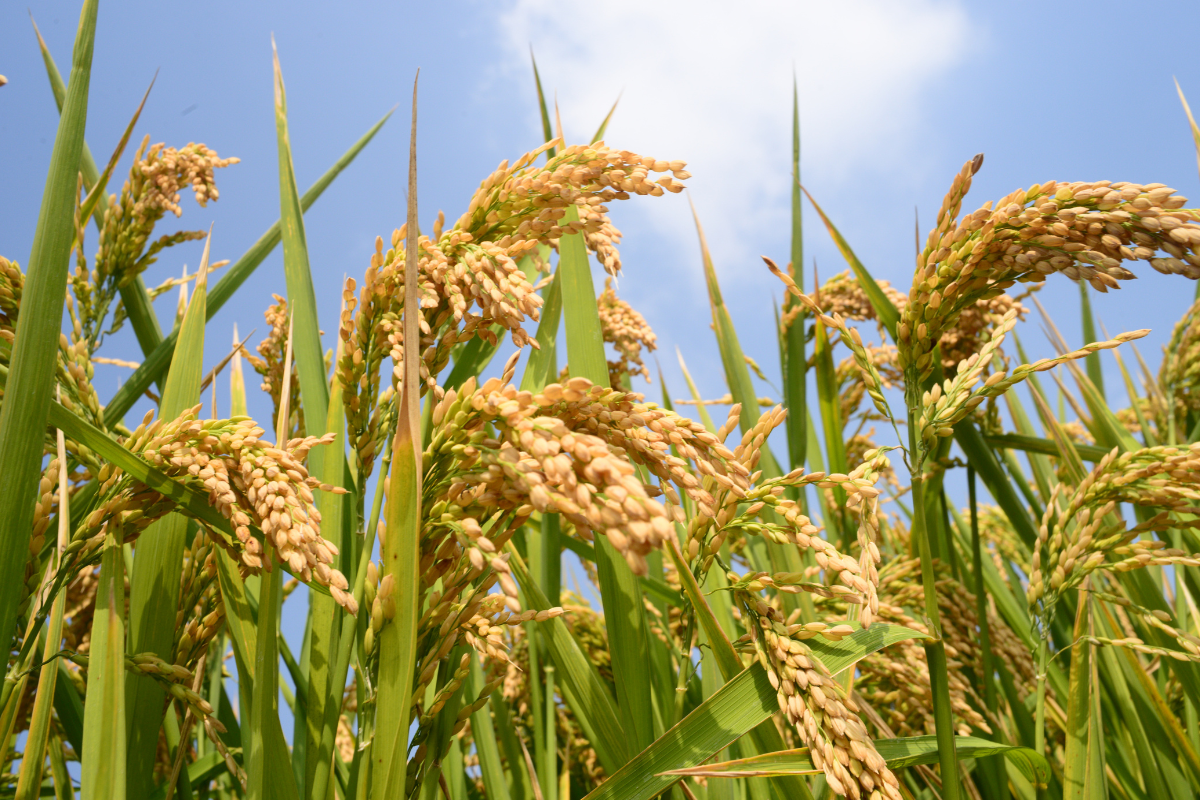
Scientists from China have identified a specialized transporter protein, OsPDR17, that helps move the natural defense compound 5,10-diketo-casbene (DKC) and strengthens rice resistance to bacterial blight. By analyzing gene expression patterns and testing OsPDR17 in yeast cells, the researchers showed that OsPDR17 plays a central role in DKC transport, offering a new target for understanding and improving disease resistance in rice.
The OsPDR17 gene encodes the OsPDR17 transporter protein, and its role in bacterial blight resistance was investigated using CRISPR-Cas9. The researchers developed rice plants lacking the gene and plants with increased OsPDR17 expression. Disabling the gene reduced DKC accumulation and made the plants far more vulnerable to disease, while increasing its expression significantly boosted both DKC production and disease resistance. Microscopic analysis further showed that the OsPDR17 protein is localized to the chloroplast membrane, where key enzymes involved in DKC production are also found, suggesting that the transporter is strategically positioned to facilitate DKC movement.
Together, these findings offer a functional roadmap for understanding how rice transports its natural defense compounds and could help molecular breeders identify targets for developing varieties with enhanced bacterial blight resistance to safeguard yields and food security.
To learn more, read the full study in the New Phytologist.
| |
Biotech Updates is a weekly newsletter of ISAAA, a not-for-profit organization. It is distributed for free to over 22,000 subscribers worldwide to inform them about the key developments in biosciences, especially in biotechnology. Your support will help us in our mission to feed the world with knowledge. You can help by donating as little as $10.
-
See more articles:
-
Plant
- Researchers Identify Genes that Control Tomato Fruit Shape
- UC Davis Study Identifies Key Gene Behind Seed Pod Shattering
- Study Finds Greater Support for Health and Environmental Biotech Applications
- Smallholders in the Global Arena: The Socio-Economic Impact of GM Adoption in Indonesia and Beyond
- CRISPR Helps Confirm Key Rice Transporter for Bacterial Blight Resistance
- Researchers Recommend Policy Solutions for Bio-Breeding Bottlenecks in China
- Experts Push to Rethink Risk Assessments by Bridging Science, Policy, and Public Trust
-
Environment
- Engineered Bacterial System Lays Groundwork for More Efficient Plastic Degradation
-
Read the latest: - Biotech Updates (October 7, 2026)
- Gene Editing Supplement (September 30, 2026)
- Gene Drive Supplement (February 22, 2023)
-
Subscribe to BU: - Share
- Tweet