

Engineered Bacterial System Lays Groundwork for More Efficient Plastic Degradation
October 7, 2026| |
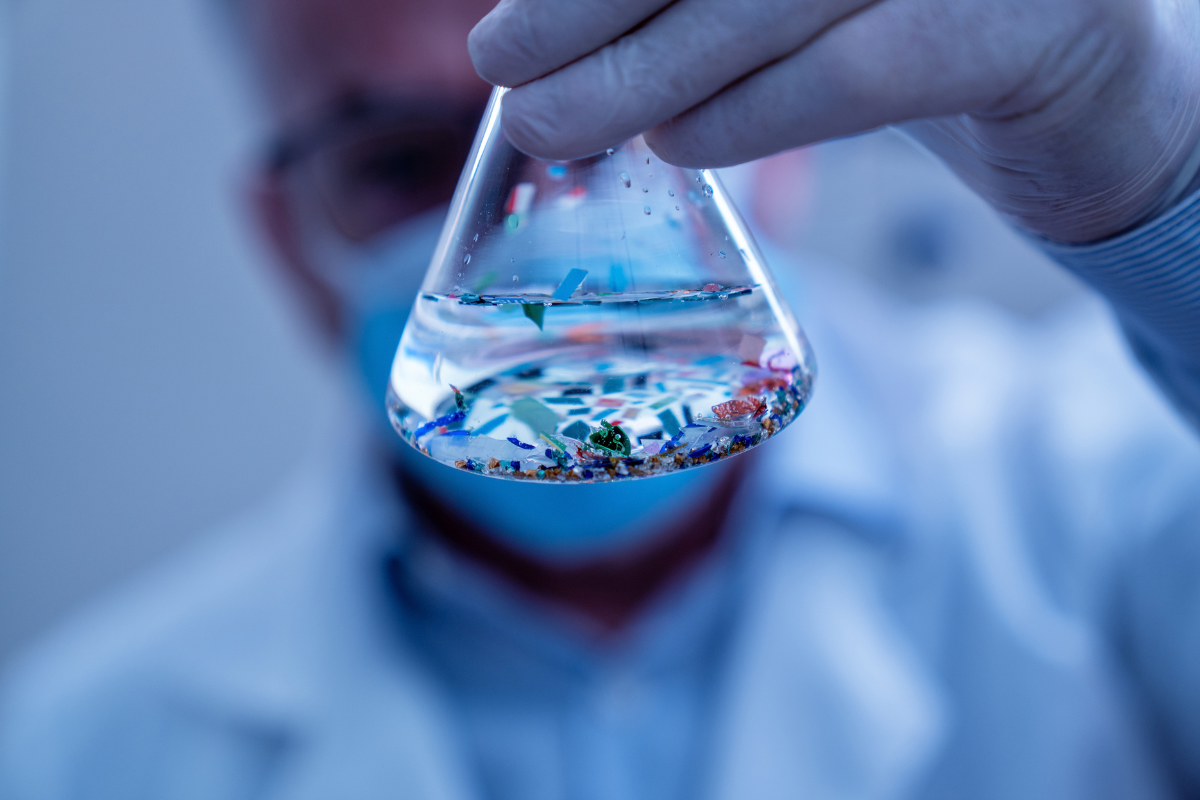
Scientists from the University of Waterloo developed a system combining two engineered bacterial strains designed to improve how microbes interact with polyethylene terephthalate (PET) plastic. By combining bacteria that produce PET hydrolases (PETase) with bacteria that form biofilms, the team enhanced microbial colonization on PET surfaces. This approach could support the development of more efficient biological methods for PET degradation and plastic recycling.
While PETase can break down PET, the plastic's hydrophobic surface makes it difficult for enzymes to remain in contact with the material, limiting their ability to degrade the plastic. To address this challenge, researchers combined Escherichia coli engineered to express PETase with Pseudomonas putida engineered to promote biofilm formation. The engineered E. coli released PETase outside the cell, while P. putida promoted biofilm formation and bacterial attachment on the plastic surface, bringing PET-degrading enzymes closer to the material they act on.
The engineered system increased biofilm formation by about 1.5 times compared with the control, with surface roughening further boosting bacterial attachment. These findings show how engineered microbial communities could improve access to PET surfaces, laying the groundwork for more efficient plastic degradation. Further refining this approach could potentially support the conversion of persistent plastic waste into reusable chemical building blocks and other valuable materials, contributing to a cleaner and more sustainable circular economy.
Read the full study from Frontiers in Bioengineering and Biotechnology to learn more.
| |
Biotech Updates is a weekly newsletter of ISAAA, a not-for-profit organization. It is distributed for free to over 22,000 subscribers worldwide to inform them about the key developments in biosciences, especially in biotechnology. Your support will help us in our mission to feed the world with knowledge. You can help by donating as little as $10.
-
See more articles:
-
Plant
- Researchers Identify Genes that Control Tomato Fruit Shape
- UC Davis Study Identifies Key Gene Behind Seed Pod Shattering
- Study Finds Greater Support for Health and Environmental Biotech Applications
- Smallholders in the Global Arena: The Socio-Economic Impact of GM Adoption in Indonesia and Beyond
- CRISPR Helps Confirm Key Rice Transporter for Bacterial Blight Resistance
- Researchers Recommend Policy Solutions for Bio-Breeding Bottlenecks in China
- Experts Push to Rethink Risk Assessments by Bridging Science, Policy, and Public Trust
-
Environment
- Engineered Bacterial System Lays Groundwork for More Efficient Plastic Degradation
-
Read the latest: - Biotech Updates (October 7, 2026)
- Gene Editing Supplement (September 30, 2026)
- Gene Drive Supplement (February 22, 2023)
-
Subscribe to BU: - Share
- Tweet