

UC Davis Study Identifies Key Gene Behind Seed Pod Shattering
October 7, 2026| |
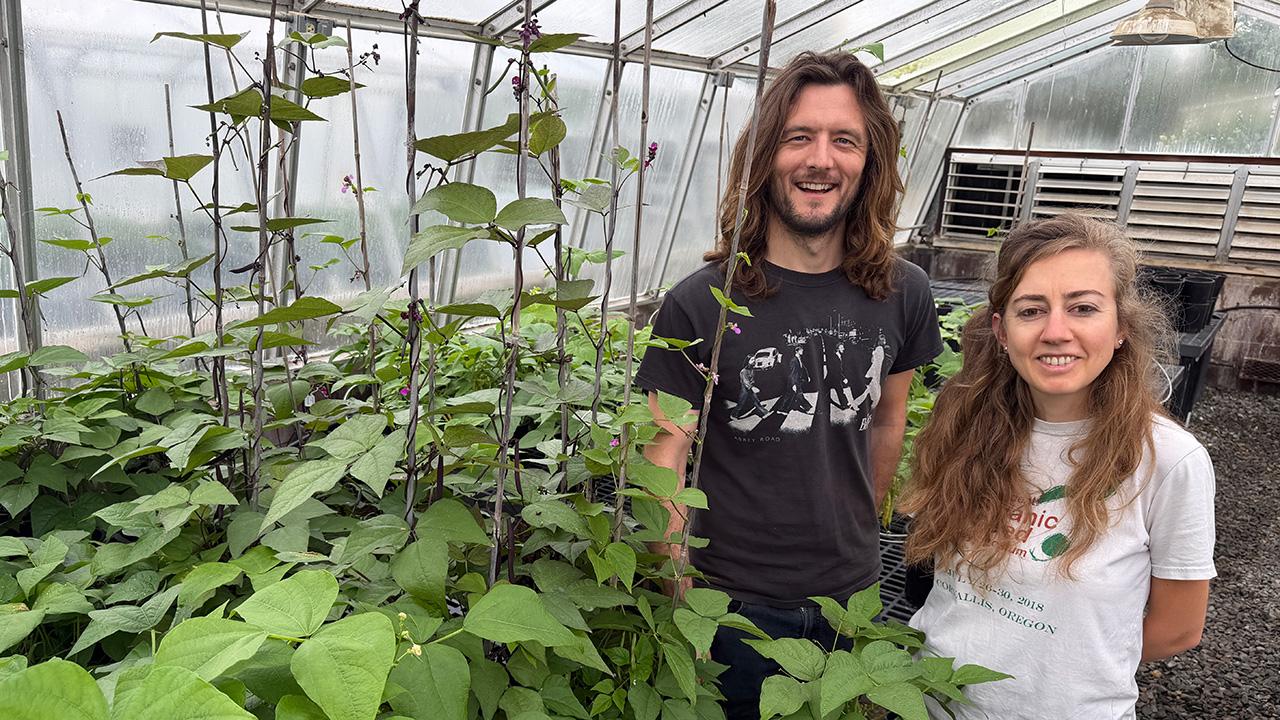
Researchers at the University of California, Davis (UC Davis), led by principal investigator Travis Parker and postdoctoral researcher Burcu Celebioglu, have identified the key genetic mutation responsible for the ancient domestication of common beans. The study reveals that a natural mutation in the PvMYB26 gene altered how bean pods mature, disabling pod shattering, a natural mechanism where wild pods open to scatter their seeds.
The breakthrough explains the biological mechanism behind bean farming while resolving a decades-long debate over the crop's geographic origins. In wild beans, high levels of the structural compound lignin create intense spring-like tension in ripening pods, causing them to pop open. The domesticated variant of PvMYB26 reduces lignin production in the pod by roughly half, keeping it folded shut with the seeds inside. Genetic analysis of 327 bean samples across the Americas pinpointed Jalisco, Mexico, as the initial site of bean domestication in Mesoamerica, confirming a hypothesis first proposed more than 40 years ago by UC Davis professor emeritus Paul Gepts.
Beyond tracing agricultural history, the team discovered that separate mutations in the same gene independently drove bean domestication in the southern Andes, alongside preliminary evidence of a third independent domestication origin in Ecuador and northern Peru. Scientists emphasize that mapping these genetic mechanisms provides modern plant breeders with an essential genomic roadmap. Understanding how key traits evolved enables researchers to develop higher-yielding, climate-resilient bean varieties to bolster global food security.
For more details, read the article in UC Davis News.
| |
You might also like:
- CRISPR-Cas9 Elucidates Seed Shattering Reduction during Rice Domestication
- Scientists Decode DNA Secrets of World's Toughest Bean
- Tepary Bean Could Hold the Key in Bean Crops Adaptation
Biotech Updates is a weekly newsletter of ISAAA, a not-for-profit organization. It is distributed for free to over 22,000 subscribers worldwide to inform them about the key developments in biosciences, especially in biotechnology. Your support will help us in our mission to feed the world with knowledge. You can help by donating as little as $10.
-
See more articles:
-
Plant
- Researchers Identify Genes that Control Tomato Fruit Shape
- UC Davis Study Identifies Key Gene Behind Seed Pod Shattering
- Study Finds Greater Support for Health and Environmental Biotech Applications
- Smallholders in the Global Arena: The Socio-Economic Impact of GM Adoption in Indonesia and Beyond
- CRISPR Helps Confirm Key Rice Transporter for Bacterial Blight Resistance
- Researchers Recommend Policy Solutions for Bio-Breeding Bottlenecks in China
- Experts Push to Rethink Risk Assessments by Bridging Science, Policy, and Public Trust
-
Environment
- Engineered Bacterial System Lays Groundwork for More Efficient Plastic Degradation
-
Read the latest: - Biotech Updates (October 7, 2026)
- Gene Editing Supplement (September 30, 2026)
- Gene Drive Supplement (February 22, 2023)
-
Subscribe to BU: - Share
- Tweet